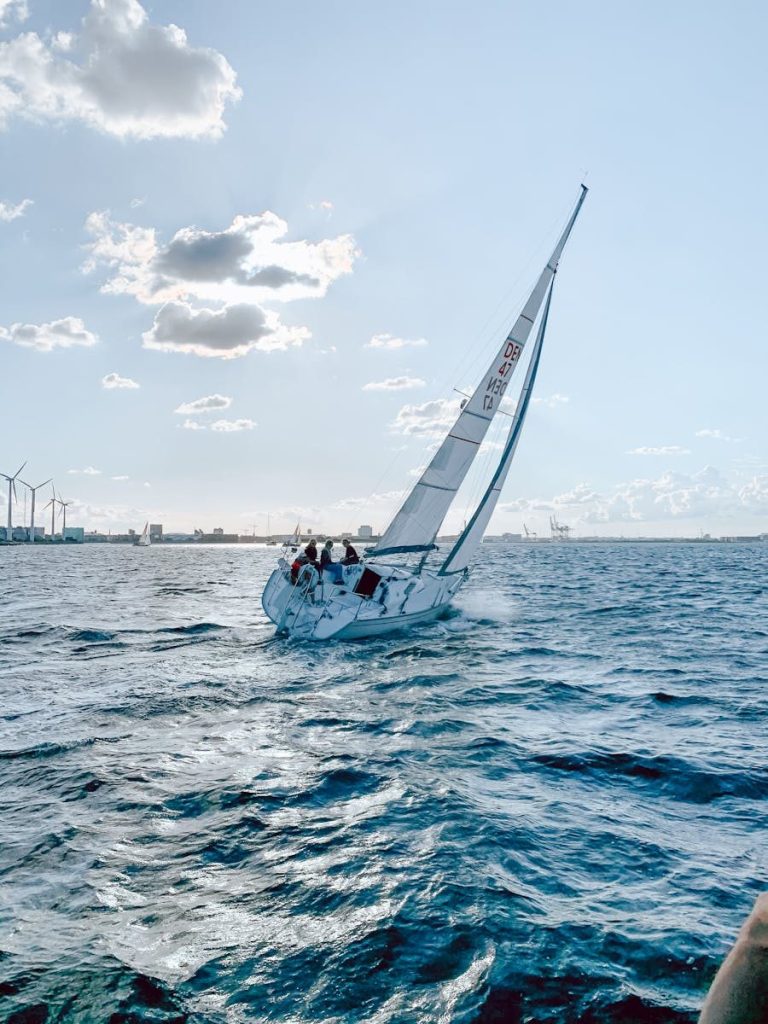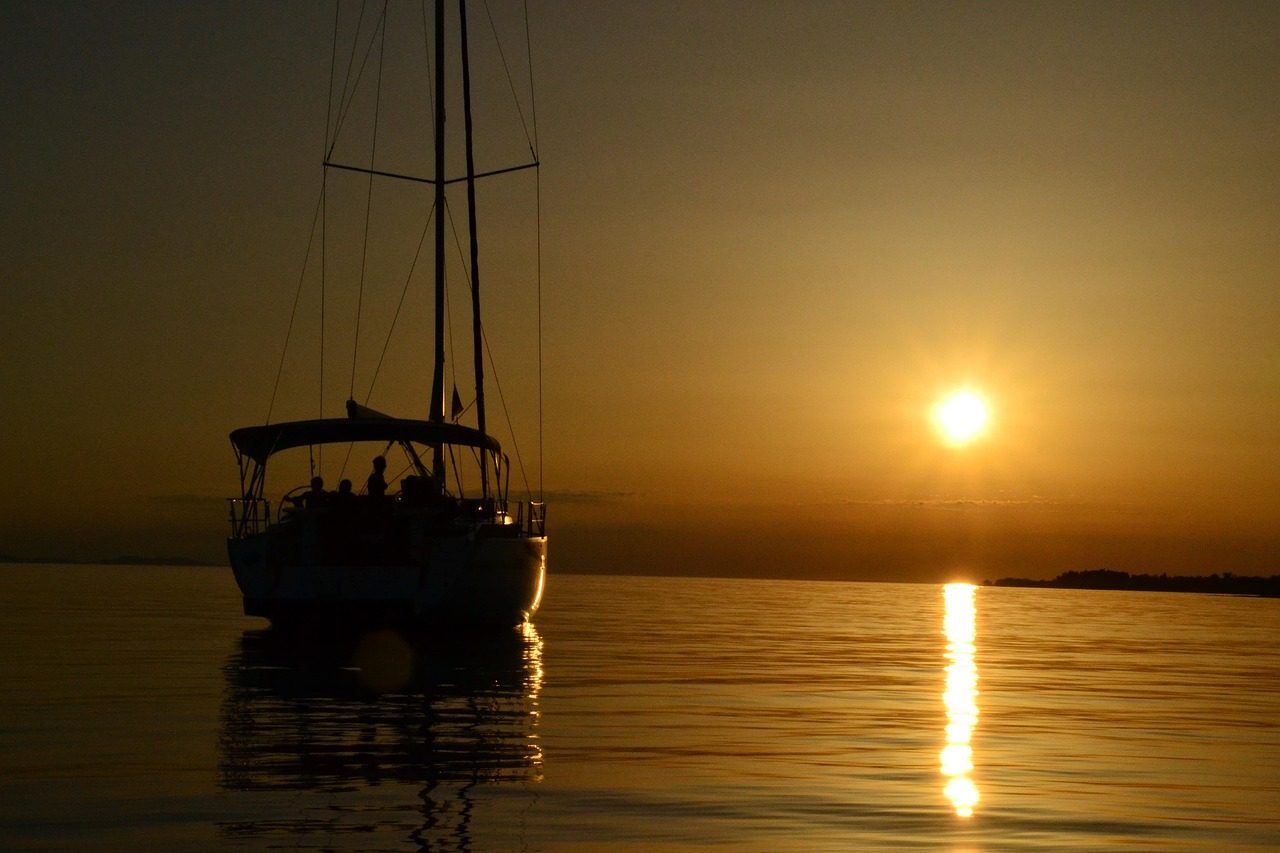
Sunset sailing, the way it actually feels out here
Sunset sailing in Halkidiki is not a glossy postcard where everything stays calm and golden for an hour. It is shifting light, a breeze that can turn on in minutes, and that quiet moment when the coast goes soft and you realise you have stopped checking your phone.
We are Our local team of skippers, travel agents and scuba instructors with over 20 years of experience in Halkidiki is here to help you. and we have been working around Halkidiki and Thessaloniki tourism for over 20 years. We have done these sails in shoulder season, in August heat, and on those sneaky evenings when the wind makes everyone grab a hoodie and laugh about it later.
Where you are, exactly, and why it matters for sunset
Halkidiki sits southeast of Thessaloniki, with three peninsulas reaching into the Aegean. Most sunset sailing you will actually book happens on Kassandra and Sithonia, because they have the marinas, the protected bays, and the practical road access for visitors staying in beach towns.
On Sithonia, departures often run from around Neos Marmaras and Porto Carras Marina, or from the smaller ports near Nikiti and Ormos Panagias. Vourvourou is a classic anchoring area because the bays are sheltered and the water stays glassy later than you expect, even when there is a bit of breeze outside.
On Kassandra, you are more likely to see departures around the south and west side, with Marina Miraggio near Paliouri being a common base. You can also be staying up in Afitos and still do a sunset sail, but you will drive to the marina first.
If you are planning a route with a few stops, it helps to visualise the coastline and distances. Here is a handy reference if you like to see it on a map before you commit.
[halkidiki_map]
How to reach the marinas without stress
Most people fly into Thessaloniki and then drive down. From Thessaloniki, think roughly 1 to 1.5 hours to the start of Kassandra, and closer to 1.5 to 2 hours to central Sithonia areas like Nikiti or Neos Marmaras, depending on traffic and where you are staying.
For Porto Carras Marina (near Neos Marmaras), you will usually come down the main Sithonia road and then follow signs towards the resort and marina area. For Marina Miraggio (near Paliouri), you are heading to the southern end of Kassandra, so it is longer if you are based up north near Kallithea. It is doable, just do not plan a tight turnaround.
Buses exist between Thessaloniki and the main towns, but evening connections can be limited and change seasonally. If you are relying on public transport, double-check close to your travel date. Timetables, opening hours and routes can change without notice. Always double-check locally before you travel.
Practical tip: arrive early enough to park, find the meeting point, and use the loo. Sunset sails have a fixed light window, and nobody wants to start flustered.
What it really looks like on board, minute by minute
A typical sunset trip starts in bright late-afternoon light. You leave the marina with everything still feeling a bit busy, music from beach bars drifting across the water, people waving from the promenade in places like Neos Marmaras.
Then, about 20 to 40 minutes out, the colour temperature changes. The sea goes from blue to that deeper steel shade, and the coastline turns into layers. On Sithonia, you might be looking back towards the pine slopes above Vourvourou or the headlands near Agios Nikolaos. On Kassandra, the land often looks lower and softer, and the sun can drop behind the peninsula line in a way that feels sudden.
The best bit is usually not the exact moment the sun touches the horizon. It is the 10 minutes before, when faces look warm in photos and the water reflects like a sheet of foil. After the sun dips, you get the pastel phase. People always underestimate that part, then they end up taking more photos than they planned.
Seasonal timing: when the magic is easy, and when it is hard work
Late May to late June is one of the easiest windows for sunset sailing. The sea is warming up, the evenings are long, and you often get a comfortable breeze without it turning into a fight with your hair and your camera. Crowds are building but not at peak intensity.
July and August bring the most reliable “holiday atmosphere”. Also the most people. Expect more boats heading to the same pretty anchor spots, especially around Vourvourou bays and the popular coves between Nikiti and Ormos Panagias. The heat can feel sticky until the sun drops, and then you can cool off fast, which catches people out.
September is the sweet spot we keep recommending, because the water is still warm and the light is softer. It feels calmer on the sea, and you can get those peachy skies without the full August bustle. October can be gorgeous too, but you need flexibility because weather systems move through and the wind can be sharper. A sunny October sunset sail is unforgettable. A windy one is, well, memorable for other reasons.
Outside the main season, availability drops, and departures can depend on demand. If you are coming early spring or late autumn, ask about sheltered routes and cancellation policies before you build your whole evening around it.
Wind patterns: the part nobody posts on Instagram
In summer, a northerly breeze is common in the Aegean, and it can build through the afternoon. What that means in real life is this: the first half of your trip might feel calm, then you turn a headland and suddenly the wind is in your face and your drink needs two hands.
Sithonia often gives you more options to tuck into bays. Around Vourvourou, the land and islands help break the wind, so you can still have that smooth-water anchoring moment even if it is breezier outside. Around Ormos Panagias, you also have a sense of being in a working little port area, so the vibe is more local and less “open sea”.
Kassandra’s south can feel more exposed depending on the route. From Marina Miraggio, the captain can choose to stay in the lee of the coastline if the wind is up, or head out for more sail time if conditions are friendly. This is why it is worth telling the crew what you want. More sailing, more swimming, more photos, more calm. They can usually adjust within reason.
One honest note: sunset is not always the calmest time. Sometimes the breeze drops as the land cools. Sometimes it does the opposite for a short burst. Pack for both and you will be fine.
What to wear, even in August
People arrive in flip-flops and beachwear, then regret it the minute the boat picks up speed. On the water, you feel wind chill more than you expect, especially once you are a bit damp from swimming.
- Bring a light layer you can actually wear on a boat, like a thin sweatshirt or a windbreaker.
- Take something you do not mind sitting on. Decks can be warm, or slightly wet, or both.
- Choose shoes that will not slip. Many trips go barefoot on deck, but you still need something for the marina.
- If you run cold, pack a second top. Sounds dramatic. It is not.
Also, do not forget hair ties. This is the most borrowed item on sunset sails, no joke.
Photo tips that work in real conditions
Golden-hour photos on a moving boat are different to beach photos. The light is beautiful, but the motion and wind change everything. If you want keepers, you need a few small habits.
- Clean your phone lens before you leave the marina. Sea spray and fingerprints ruin sunset shots fast.
- Use burst mode when the boat is moving. One sharp frame is all you need.
- For portraits, turn people slightly sideways to the sun. It avoids squinting and gives nicer cheekbone light.
- Do not zoom too much. It magnifies shake. Step closer instead.
- Wait for the “after-sun” colours. The sky often peaks 5 to 15 minutes after the sun disappears.
If you are choosing between sunset spots on land versus on a boat, this guide to Best Sunset Beaches in Halkidiki for Golden-Hour Photos in 2026 is a good companion. Beaches are easier for tripods and long exposures, boats win for reflections and that open-horizon feel.
One more thing people forget. Polarised sunglasses make it harder to judge your screen colours, so take them off when you are checking shots, otherwise you will think the sea is darker than it is.
Choosing the right trip length for sunset
The sunset itself is a fixed event, but your experience depends a lot on how much time you have before and after it. A shorter trip can feel rushed if you spend most of it getting to the nice anchoring spot, then you head straight back.
A longer trip gives you time to swim first, dry off, then settle into the sunset without everyone scrambling. If you are unsure, this breakdown of 3-Hour vs 5-Hour Sailing Trips in Halkidiki: Which Should You Choose? will help you match your mood to the schedule.
For small groups, sunset is also when you notice comfort differences. Space to move, where you can sit, how crowded it feels when everyone stands up for the same photo. If you want the relaxed version, read Why a Small-Group Sailing Trip Is the Best Thing to Do in Halkidiki in 2026 and then book early.
Where the best sunset sailing “scenes” happen
We do not mean secret beaches with made-up names. We mean the real, repeatable settings that actually deliver on a typical evening.
Vourvourou bays (Sithonia): sheltered water, pine backdrop, and that mirror reflection when the wind drops. Great for swimming before sunset, and for calm proposal setups.
Between Nikiti and Agios Nikolaos (Sithonia): a mix of small coves and open stretches. You can get a feeling of distance without being too far from shelter if conditions shift.
Neos Marmaras and Porto Carras area (Sithonia): more lively, especially in summer. The coastline looks great as lights come on, and you get that “arriving back to town” atmosphere.
Marina Miraggio and the south of Kassandra (near Paliouri): dramatic open-water sunsets on the right evening. It can feel more exposed, which is either exciting or annoying depending on the wind.
Afitos coastline (Kassandra): if your route runs along this side, the cliffs and village silhouette can look stunning as the sun drops behind the land. Less about anchoring, more about passing views.
Routes change with conditions, and captains make conservative calls for good reason. If you are sensitive to motion, ask for a more sheltered plan. Sea and outdoor activities depend on weather and your own fitness level. Always follow local safety advice and skipper instructions.
Crowds: what to expect on the water
In peak summer, you will not be alone. Around Vourvourou in July and August, multiple boats often anchor in the same scenic area. It is still beautiful, just not private. If your dream is silence and empty horizon, aim for late May, June, or September, and consider weekdays.
Near ports like Ormos Panagias, you will also see fishing boats and day cruisers coming in. That is part of the charm, honestly. It feels like a real working coastline, not a staged experience. But yes, it can mean background noise if you are filming video.
Sunset sailing vs morning sailing, honestly
Morning trips tend to have flatter light, calmer energy, and often calmer seas. Sunset trips have mood. The light is richer, people are more relaxed, and it feels like an event rather than an activity you tick off.
If you are torn, this comparison of Sunset Sailing vs Morning Sailing in Halkidiki Light Wind and Mood Compared goes into the differences properly. The short version. Choose morning for swimming and clarity. Choose sunset for atmosphere and photos that look like you did something special.
Proposal moments: how to make it feel natural, not staged
We have seen a lot of proposals on boats, and the best ones are simple. The sea does the work for you. You just need timing and a tiny bit of planning with the skipper, nothing more.
- Ask the crew to point the boat so the light is behind you, not in your eyes. Better photos, less squinting.
- Do it 10 minutes before sunset, not at the exact horizon moment. Everyone is less distracted then.
- Choose a calm anchoring spot if possible, like the sheltered bays around Vourvourou. Kneeling on a moving deck is not romantic, it is risky.
- Keep one person in the know, usually the skipper. They can nudge the moment without making it obvious.
If you want help picking the right route and privacy level, Not sure where to start? Contact our local travel agency for friendly, personalised advice, seasonal offers and travel options.. We can usually tell you which departures suit couples versus party groups, just from the base and the typical crowd.
Sailing and swimming at sunset: what changes in the water
Water clarity in Halkidiki is often excellent, especially in Sithonia’s sheltered coves. At sunset, the surface can look darker and more reflective, so you sometimes cannot see the seabed as clearly even when the water is clean. It is normal, it is just the angle of light.
Swimming late in the day feels warmer in August and early September because the sea has had all day to heat up. In June, it can feel refreshing, then suddenly chilly once you get out and the breeze hits. Bring that layer, seriously.
Always listen to the crew about currents, depth, and where it is safe to swim from the boat. Conditions can change quickly near headlands. Sea and outdoor activities depend on weather and your own fitness level. Always follow local safety advice and skipper instructions.
Booking pointers from people who do this all season
There are a few small things that make a big difference. We see the same mistakes every summer, and they are easy to avoid.
- Pick your base first, then your trip. Staying near Nikiti is different to staying near Paliouri in terms of drive time and vibe.
- Ask what happens if the wind is strong. Some trips switch to a more sheltered route, others cancel.
- Check what “sunset” means on the schedule. Some trips are timed for golden hour, others are late afternoon with a sunset view if you are lucky.
- If you get seasick, take precautions early. Once you feel bad, it is hard to recover on a boat.
When you are ready to browse options, If you’d like to explore the coast, ask us about day trips at sea and sailing boat options. and you can also check availability here:
A few reliable official resources (worth checking)
- Visit Greece for general travel planning and seasonal advice.
- meteo.gr for Greek weather forecasts that locals actually use.
- Halkidiki on Wikipedia for geography context if you are mapping routes and peninsulas.
Diving add-on idea if you want more than sailing
If your group is into the sea properly, you can pair a sailing day with a shore dive or boat dive on another day. For local diving info and planning, have a look at portoscuba.com. It is a useful reference when you want to understand conditions and what is realistic in different parts of Halkidiki.
One last local nudge before you choose a date
If you care most about calm water and clean photos, aim for June or September and avoid weekends. If you care most about buzz, warm nights, and that full summer feeling, go in late July or August and accept you will share the horizon a bit.
And if you want the bigger picture of planning your days around the peninsulas, beaches, and routes, Want the full picture? Read our in-depth Halkidiki travel guide before you book.