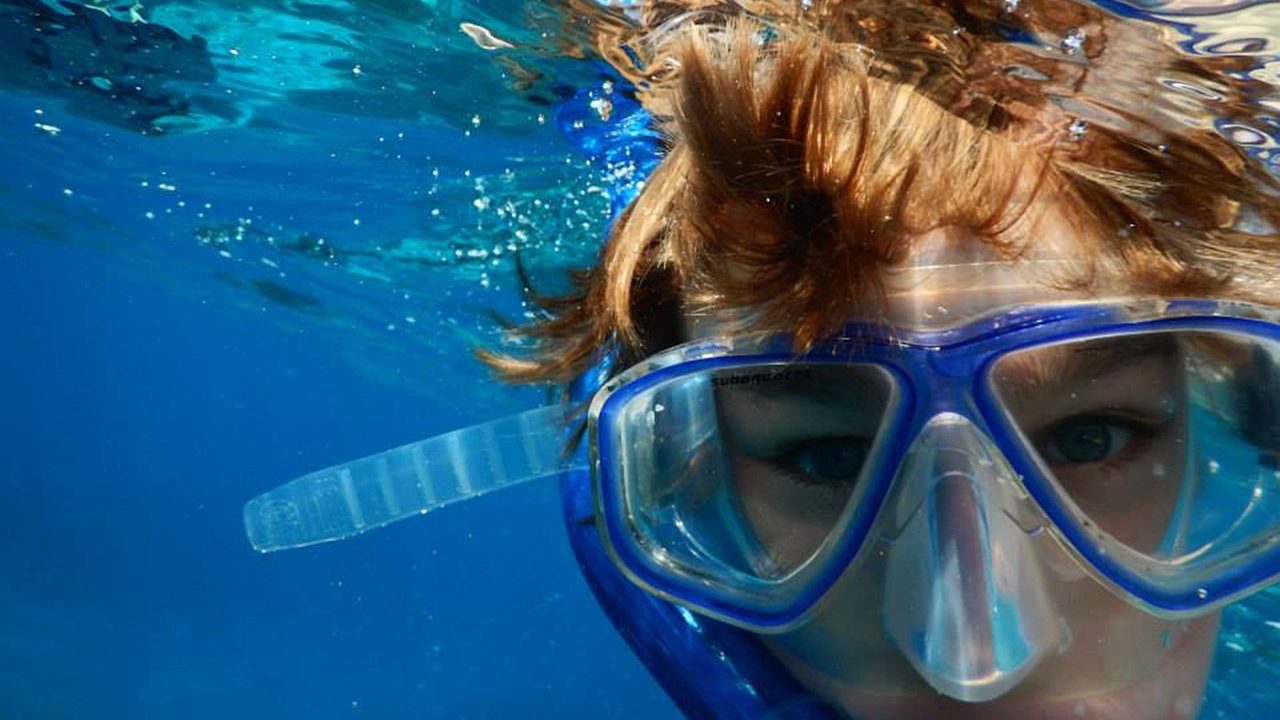
How snorkelling tours work here (and why they help)
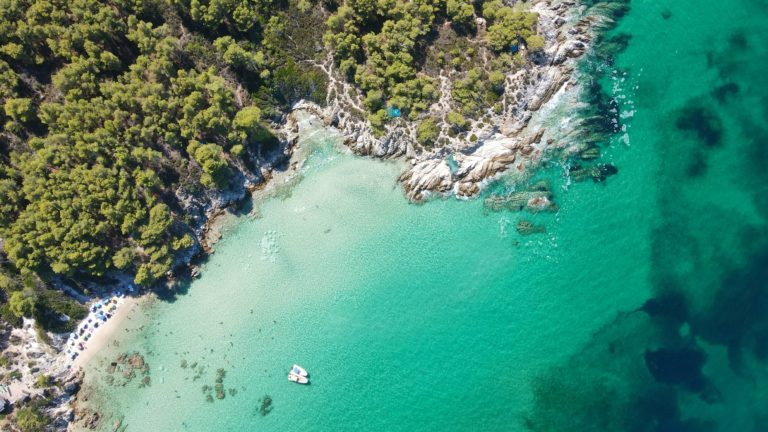
Most organised snorkelling time in Halkidiki happens as part of a boat day. You’ll usually depart from a marina or small harbour, anchor in a calm bay, then swim from the boat with a mask and snorkel. The big advantage is access. You can reach rocky corners and quieter coves without the headache of parking, and you skip long walks carrying wet kit.
Expect a mix of swimmers on board. Some will just float and look down. Others will hug the rocks and explore. A decent operator will brief you on where it’s shallow, where it drops, and where boats tend to pass. If they don’t, ask. It’s normal, not fussy.
- Best months for clarity: June and September are often the sweet spot. Less boat traffic than peak August, and the water can be glassy in the mornings.
- Windiest days: When the Meltemi picks up, exposed bays can get choppy. Sithonia has more sheltered options depending on wind direction.
- Family tip: Choose itineraries that stop in coves, not open beaches with lots of passing craft.
Where tours usually depart from
In Sithonia, the most practical launch points for snorkelling-style boat trips are around Neos Marmaras (including Porto Carras Marina) and the Ormos Panagias area near Vourvourou. In Kassandra, tours are more limited and tend to be seasonal, often linked to the Paliouri side and nearby resort marinas rather than lots of small harbours.
If you’re staying in Nikiti, Vourvourou, Neos Marmaras, Sarti, Afitos, or Paliouri, you’re in a good position. If you’re based inland, you can still do it, you’ll just need an early start and a bit of patience with summer traffic.
Timetables, opening hours and routes can change without notice. Always double-check locally before you travel.Snorkelling spots in Sithonia you can reach on a tour
Sithonia is the easier peninsula for tour-based snorkelling because the coastline is cut into bays, with plenty of rocky edges and small islets. You get that classic “look down and see everything” feeling more often here, especially away from the busiest beaches.
These are the spots we personally rate for snorkelling, and that commonly feature in local itineraries depending on wind and group.
Karydi Beach (Vourvourou): shallow rock gardens for beginners
Karydi is famous for its pale sand and calm, shallow water. What makes it snorkel-friendly is the way the sand meets rock in gentle steps. You can start in waist-deep water, then follow the rocky patches where small fish gather.
On tours, Karydi is often approached as part of a wider Vourvourou coastline day, sometimes combined with nearby islets. It’s ideal if you’re nervous in the sea or travelling with kids who want to see “something” without going deep.
- Clarity: Usually very good in calm conditions, especially early.
- Depth: Shallow for a long way out, then gradual drop.
- Best for: Families, first-timers, anyone who wants easy entry and calm water.
- Watch-outs: It can get busy in peak season, and sand can cloud if lots of people are standing around.
For nearby coast context, our local notes on the area are in Vourvourou, Karidi, Livari & Ormos Panagias: Lagoons, Islands and Shallow Seas.
Diaporti Beach (near Neos Marmaras): calm water with a satisfying drop-off
Diaporti is a great “middle level” snorkel stop. It’s not as shallow as Karydi, but it’s not intimidating either. You often get a clear view over mixed seabed, with rocky patches that hold more life than plain sand.
Because it’s close to Neos Marmaras, it’s a realistic stop on shorter half-day routes. When the sea is settled, the visibility can be properly crisp. When it’s breezy, operators may swap it for a more sheltered bay, and that’s the right call.
- Clarity: Strong on calm days, can drop if wind pushes chop into the bay.
- Depth: Moderate. You can stay shallow near shore, but there are deeper lines worth peeking over.
- Best for: Confident swimmers who want variety without going “advanced”.
Azapiko Beach (Sithonia, near Neos Marmaras): clear water and rocky corners
Azapiko is one of those places we keep going back to because it delivers what snorkellers actually want. A mix of rock and sand, clean water when the wind behaves, and enough structure underwater to keep you interested.
On a tour, you’ll usually anchor and swim in. The best snorkelling is rarely dead centre of the bay. It’s along the rocky corners where the seabed changes and fish feel safer. Take it slow, float, then fin gently along the edge.
- Clarity: Often excellent. One of the better “wow” spots when conditions line up.
- Depth: Starts friendly, then drops. Great for practising staying relaxed as the bottom gets deeper.
- Best for: Couples, small groups, confident teens, anyone bored of pure sandy shallows.
- Watch-outs: Rocky entry if you were visiting independently, but on a boat stop you avoid most of that faff.
Aretes Beach (near Tristinika): quieter feel, better for unhurried snorkelling
Aretes has a more low-key vibe. It’s not the headline beach on Instagram, which is exactly why some of us like it. When a tour stops somewhere like this, people spread out in the water and you can snorkel without constantly dodging other fins.
Look for rocky sections and small ledges. This is the sort of place where you spot the “little things” if you’re patient, rather than expecting big drama. It’s also a nicer choice if you get overwhelmed in crowded swim stops.
- Clarity: Very good when the sea is calm.
- Depth: Mixed. You can keep it shallow, but there are deeper pockets.
- Best for: Nature lovers, photographers with a simple action cam, anyone who likes a calmer stop.
Kavourotrypes (near Sarti): striking scenery, but choose the day carefully
Kavourotrypes is beautiful. Bright water, pale rock, small coves. It can also be exposed depending on wind, and in high season the most famous coves get crowded. On a tour, the advantage is flexibility. A good skipper will pick a cove that’s comfortable and safe rather than forcing the “famous” one.
Underwater, the rock formations make the snorkelling more interesting than a long sandy beach. You’ll enjoy it most if you’re happy swimming in slightly deeper water and you can handle a bit of movement on the surface.
- Clarity: Can be superb. When it’s not, it’s usually weather related.
- Depth: Varies cove to cove. Some drop-offs come quickly.
- Best for: Confident swimmers, couples, groups who want scenery plus a swim.
- Watch-outs: If it’s windy, don’t be stubborn. Swap to a sheltered stop and enjoy it more.
Agios Ioannis (near Nikiti): easy water time near a classic base
Agios Ioannis is a good option when you want a gentler day and you’re based around Nikiti. The seabed is more sandy, so the snorkelling is less about dramatic rock gardens and more about relaxed floating with occasional rocky patches.
It’s a sensible choice for mixed groups where not everyone is obsessed with snorkelling. Some people can swim and look down, others can just enjoy the water. No one feels pushed.
- Clarity: Generally good, especially outside peak crowds.
- Depth: Friendly. Great for slow practice.
- Best for: Families, older travellers, anyone easing into sea swimming.
If you’re staying nearby, see our practical base guide: Nikiti, Kastri, Agios Ioannis & Elia Coast: Gentle Start of Sithonia.
Operator note: Neos Marmaras and Porto Carras Marina departures
Neos Marmaras is one of the easiest places to join a boat day, and Porto Carras Marina is a common starting point for private and semi-private trips. The benefit is quick access to bays with structure and clarity, without spending half the trip just travelling.
When you’re choosing, ask one simple question: “Do you stop by rocky coves for snorkelling, or mainly for swimming?” The answer tells you everything. If you want the snorkel experience, you need those rocky edges.
[random_authority_text]
Snorkelling spots in Kassandra you can reach on a tour
Kassandra has gorgeous beaches, but tour-style snorkelling is a bit more hit and miss. Parts of the coast are long and sandy, and in peak season there’s more general boat traffic close to popular areas. Still, there are good snorkel moments, especially where the seabed turns rocky.
Afitos Beach: rocky seabed and clearer patches close to shore
Afitos sits above the sea on a beautiful traditional village cliff, and the beach below often has that mixed seabed snorkellers like. The best looking water is usually away from the busiest access points, where fewer feet stir the sand.
If your tour route includes this stretch, you’ll enjoy snorkelling along the rocky sections rather than hovering over the plain sand. It’s also a nice choice if some people want a swim stop and others want to explore underwater for a bit.
- Clarity: Good on calm mornings, can cloud with crowds later.
- Depth: Moderate, with pockets that deepen near rocky edges.
- Best for: Mixed groups, couples, travellers who want snorkelling plus village atmosphere.
Paliouri area: good base for boat days when you’re staying in south Kassandra
Paliouri is a practical base if you’re staying in the southern part of Kassandra and want to join a boat day. Exact snorkelling stops vary a lot by operator and weather, so this is where asking the right questions matters.
- Ask if the itinerary includes rocky coves rather than only long beach stops.
- Ask how long the swim stops are. For snorkelling, you want time to settle in, not a rushed dip.
- Ask if they provide masks and snorkels, or if you should bring your own for fit and comfort.
Choosing the right spot for your level
If you’re travelling with kids (or nervous swimmers)
Pick shallow, calm water with an easy “exit plan”. That usually means Karydi and similar sheltered Vourvourou stops, or gentle bays near Nikiti. Avoid places where the depth drops fast right next to the boat, unless the crew are actively helping people in and out.
- Bring a properly fitting kids mask. Leaky masks ruin the day fast.
- Use a rash vest, even on cloudy days. Sun reflects off the water and sneaks up on you.
- Stay near the edge of the group. It’s calmer, and you see more.
If you want “proper” snorkelling (rock, depth, fish)
Go for Azapiko, Diaporti, Aretes, and selected coves around Kavourotrypes when conditions are right. The snorkelling is better when you have structure underwater. Rock ledges, boulders, changes in seabed. That’s where the life is.
- Float first, then fin slowly. Fast kicking scares fish and stirs sand.
- Look into the shade of rocks, not just the bright patches.
- If you like depth, practise breathing calmly while the bottom drops away. It’s a head game as much as a skill.
Safety and comfort tips (local, not dramatic)
Snorkelling here is generally straightforward, but the sea is still the sea. Wind can rise, currents can tug around headlands, and boat traffic is real in summer. If you’re not sure, stay closer to the boat and the group. It’s meant to be relaxing, not a test.
Sea and outdoor activities depend on weather and your own fitness level. Always follow local safety advice and skipper instructions.- Wear fins if you have them. They reduce effort and help you stay in control in light chop.
- Don’t chase “one more rock” away from the group. Most incidents start with drifting further than planned.
- Skip touching anything. Sea urchins love rocky edges, and they are not fun, trust me.
- Tell the crew if your mask fogs, your ear hurts, or you feel tired. It’s normal stuff and easy to fix early.
What to bring (and what to skip)
- Mask that fits your face well. If you’ve got long hair, tie it back so the skirt seals properly.
- Snorkel you’re comfortable breathing through. Simple is fine.
- Rash vest or thin top. Sunburn on the back of your legs is a classic first-day mistake.
- Water shoes for rocky entries, even if you expect to swim from the boat. Some stops involve a quick shore hop.
- Small dry bag for phone and car keys if you’re meeting the boat yourself.
Skip heavy full-face masks unless you already use one confidently. We’ve seen too many people struggle with them once a bit of chop starts, and then they give up after five minutes.
If snorkelling makes you want to try scuba
This happens all the time. You get a taste of the underwater world, then you want to go deeper and stay longer. If you’re curious but unsure what’s involved, read our Beginner’s Guide to Scuba Diving in Halkidiki: What First-Timers Should Know. It explains the real basics without the salesy fluff.
For organised diving experiences and local context, you can also browse portoscuba.com and see what’s available when you’re here.
Tour booking notes we tell friends (so you choose well)
Not all “snorkelling tours” are equal. Some are boat trips with a swim stop, and the word snorkelling is just there because it sounds good. Others genuinely pick bays with rocky edges and clear water. You want the second type.
- Ask about the stops: “Rocky coves or sandy beaches?” Simple question, honest answer.
- Ask about time in the water: Two longer stops beat four rushed ones.
- Ask about group size: Smaller groups are calmer in the water and you’ll see more.
- Check the wind plan: Good operators have options. If they say “we always go to the same place”, be a bit wary.
If you want help matching your base in Kassandra or Sithonia to a tour that actually suits your group, Not sure where to start? Contact our local travel agency for friendly, personalised advice, seasonal offers and travel options.. We’re local, and we’ll tell you straight if something is a poor fit.
Useful official info to check before you go
Conditions change fast in summer, and it’s worth a quick look at reliable sources. For general destination info, the Greek National Tourism Organisation is a solid start. For weather, meteo.gr is widely used in Greece and gives a realistic feel for wind and heat. If you like to understand the geography you’re exploring, Wikipedia’s Halkidiki page is surprisingly useful for peninsula orientation.
[beach_map]
Pair snorkelling with the right base on land
If you’re staying on Kassandra’s piney central coast, it’s easy to combine a beach day with a short boat outing when available. Our guide to the area is here: Kallithea, Solina & Kryopigi: Pine Coast Guide for 2026. For Sithonia, Nikiti and Vourvourou are the easiest bases for tour choice and calmer water options.
Want a sailing-style day with snorkel stops?
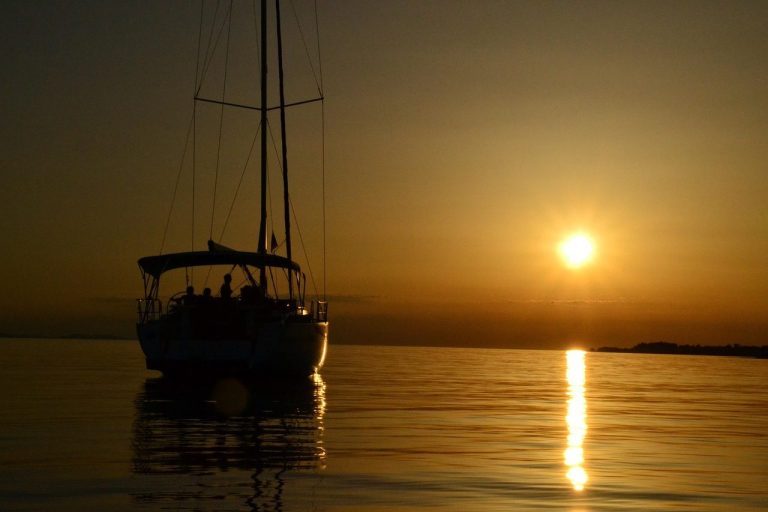
Some of the best snorkelling days happen on sailing trips, simply because you can tuck into quieter corners and move with the wind. If that’s your vibe, If you’d like to explore the coast, ask us about day trips at sea and sailing boat options. and take a look at options here:
More things to do between beach days
If you’re building a wider itinerary, you can browse activities here and then match them to your base and travel days. It saves a lot of last-minute stress, honestly.
[ticketinhub_list_all]
Want the full picture? Read our in-depth Halkidiki travel guide before you book.