Toroni, Tristinika & Porto Koufo: Wild South and Deep Natural Harbour
Down in the far south of Sithonia, the coastline gets rawer, the roads get quieter, and the sea can change mood from one bay to the next. Toroni, Tristinika and Porto Koufo sit close together on the map, but they feel like three different holidays depending on what you want.
We have been bringing friends, family and guests here for over 20 years through Halkidiki.info – travel guide for Sithonia, Kassandra & Mount Athos, and we still come back for the same reasons: long swims, proper tavernas, and that mix of calm harbour water and open-sea waves.
Where you are: the wild south of Sithonia
These spots are on the southern end of the Sithonia peninsula in Halkidiki, roughly an hour and a bit south of Nikiti depending on traffic and stops. Toroni is the main village strip on the coast, Tristinika is a little more “beach first, buildings second”, and Porto Koufo is tucked into a deep, sheltered natural harbour just around the headland.
If you are travelling down Sithonia from the gentler, busier north, it helps to think of this area as the “switch point” where the coastline becomes less organised and more natural. For a softer start up north, our guide to Nikiti, Kastri, Agios Ioannis & Elia Coast: Gentle Start of Sithonia is a good lead-in before you head south.
[sithonia_map]
Toroni: long bay, easy days, family-friendly water
The beach feel: usually calm, room to breathe
Toroni Beach is a long, open sweep of sand with shallow entry in many sections, which is why families keep choosing it. On most summer mornings the water is glassy, especially when the wind is light. Later in the day, you can get a bit of chop, but it is rarely the “proper waves” you find on more exposed stretches.
It is also practical. You can park near the beach in a lot of places, walk out with a bag and be swimming in minutes. That matters when you have kids, inflatables, snacks, and someone who “forgot” the suncream again.
What to do in Toroni (beyond lying still)
- Swim long along the shoreline. The bay is made for it.
- Snorkel near the rockier ends when the sea is calm and clear.
- Wander to the archaeological remains around the old settlement area above the beach. It is low-key, but it adds a bit of depth to the day.
- Evening strolls along the beachfront, especially in peak season when the vibe is lively but not loud.
For a bit more detail on picking the right stretch of sand and how the Ethnik scene fits into the area, our internal guide Tristinika and Toroni Beach in 2026 Practical Guide plus Ethnik Vibes goes deeper.
Who Toroni suits best
- Families who want easy access, shallow water, and options for food close by.
- Couples who like a simple base with evenings that feel relaxed, not sleepy.
- Older travellers who prefer fewer steps, flatter walks, and straightforward parking.
Tristinika: open sea, wilder sand, and the Ethnik bar vibe
The beach feel: more exposed, sometimes wavey
Tristinika Beach is where you start to feel the “wild south” properly. It is a broader, more open stretch, with areas that feel less built-up. When the wind turns, the sea here can get more wavey than Toroni. On calm days it is stunning, with that clear, blue-green water that makes you stay in longer than planned.
It is not dangerous by default, but it is more changeable. If you have small kids and you want predictably calm water all day, Toroni or Porto Koufo often wins. If you like a bit of energy in the sea and a beach that feels less managed, Tristinika is your place, even if it gets a bit breezy.
Ethnik: what the vibe is really like
Ethnik Beach Bar is the name people remember. In high season it can feel like a little beach community of its own, with music, sunbeds, and that social buzz that makes couples and groups settle in for the day. It is not a mega-club. It is more “beach day that turns into sunset drinks”, especially when the weather behaves.
Our honest local tip: if you want quiet, come early, pick a spot further down the sand, and swim first. If you want the vibe, arrive late morning and accept that you will hear other people having fun. That is the deal.
Tristinika and Aretes: choosing the right bit of coastline
Tristinika is the headline, but nearby Aretes Beach is often the one nature lovers remember. Aretes feels more rugged and less serviced. Great for a low-key swim and a towel-on-the-sand kind of day, as long as you bring what you need. Water clarity can be excellent when the sea is calm, and the colour is unreal on bright days.
- Choose Tristinika if you want facilities and a social option nearby.
- Choose Aretes if you want quieter swimming and a more natural feel.
Who Tristinika suits best
- Couples who like a more “beach escape” atmosphere with the option of music and cocktails.
- Groups of friends doing lazy beach days and sunset meet-ups.
- Travellers who do not mind a slightly more changeable sea.
Porto Koufo: deep natural harbour, calm water, fishing-port character
The harbour feel: sheltered, calmer swimming, very different from the open bays
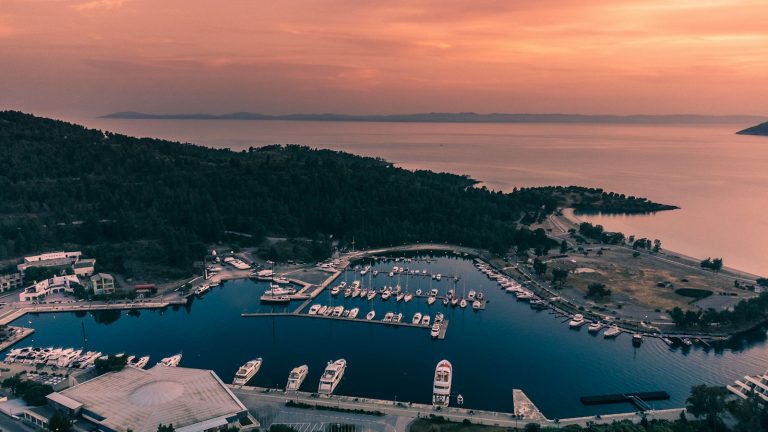
Porto Koufo is one of those places that surprises first-timers. You drive in, and suddenly the sea is inside the land, sheltered and smooth, with boats sitting quietly even when the outer coast is windy. It is widely known as the deepest natural harbour in Greece, and you can feel why it matters the moment you arrive. The water is usually calmer here than Toroni and Tristinika, and it can be a real спасение on windy days, sorry, a real lifesaver.
It is not a classic “wide sandy bay” like Toroni. It is more about the harbour atmosphere, boat life, and tavernas by the water. If you want a swim with minimal waves, especially for nervous swimmers or little ones, this is often the safest bet locally.
Fishing port feel: what to expect day to day
Porto Koufo still feels like a working place. You will see fishing boats, small craft coming and going, and locals doing local things rather than performing for visitors. That gives it character, but it also means it is not a silent nature reserve. There is life, engines now and then, and the smell of the sea that feels very real.
- Best time for photos: early morning when the light hits the harbour and the boats are still.
- Best time for a relaxed meal: late afternoon into sunset, when the air cools and the harbour goes soft.
Boat trips, sailing and easy sea time
Because Porto Koufo is so sheltered, it is a natural starting point for getting out on the water when conditions allow. If you are tempted by a sailing day or a relaxed cruise along the Sithonia coastline, this area is a strong base. If you’d like to explore the coast, ask us about day trips at sea and sailing boat options.
If you are more into diving and underwater exploring, the wider Sithonia coast has good options when visibility is right. For a proper local dive operator overview, you can check portoscuba.com and see what trips suit your level.
[random_authority_text]
Wavey vs calm: how to pick the right bay on the day
This is the practical bit we wish more people knew before they commit to one beach for a whole week. In the south of Sithonia, a small change in wind direction can make one bay feel perfect and another feel messy.
Quick guide (based on typical summer conditions)
- Porto Koufo: usually the calmest water because it is sheltered inside the harbour.
- Toroni: often calm in the morning, can get a little choppy later, still generally family-friendly.
- Tristinika and Aretes: more exposed, more likely to feel wavey or windy. Also more dramatic and “wild”.
Local habit: if it looks breezy, we start the day in Porto Koufo for a swim and coffee, then check Toroni for an afternoon beach session. Tristinika is the “commit to the vibe” choice when the weather is settled.
Getting there: roads, driving notes, and what is actually easy
By car (most common)
You reach all three by driving down the main Sithonia road network towards Toroni, then branching off for Porto Koufo. Roads are mostly paved and fine, but in peak season you will feel the slowdowns near popular beach access points and village pinch spots. Nothing scary, just patience. Parking is usually easier in Toroni than you expect because the beachfront is long, while Porto Koufo can feel tighter near the tavernas at busy times.
- For Toroni: aim for parking near the section of beach you actually want, so you are not trekking in midday heat.
- For Tristinika: expect a more “beach road” feel as you approach, and bring what you need if you plan to sit away from the main bar area.
- For Porto Koufo: go earlier for the easiest parking if you want a harbourfront table later.
By bus or mixed transport
Public transport in Sithonia exists, but it is not like a city network and it changes with the season. If you are relying on buses, plan your day around fewer connections and be ready for a bit of waiting. Timetables, opening hours and routes can change without notice. Always double-check locally before you travel.
For official regional travel info and broader planning, start with the Municipality and regional tourism sources. The Central Macedonia tourism portal is a helpful reference: visitgreece.gr also gives a decent national overview, even if it is not hyper-local.
Food and evenings: what feels different in each place
Toroni: easy dinners and a simple night stroll
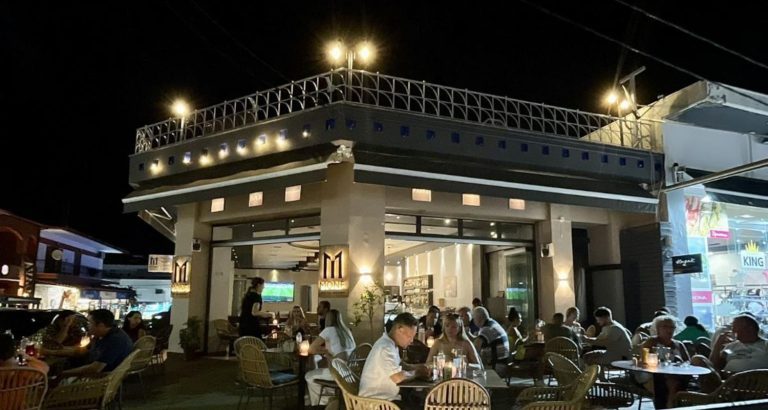
Toroni evenings are straightforward in the best way. You finish the beach, shower, then wander along the strip and pick what smells good. It suits families because you can keep it casual and be back early. Couples like it because you can still find a quieter table if you walk a little further along.
Tristinika: beach-day energy that can roll into sunset
Tristinika is more about staying put. A long beach day, a drink as the light changes, music in the background if you are near Ethnik. If you are after a big choice of restaurants, you will still end up driving back towards Toroni or over to other villages.
Porto Koufo: harbour tavernas and that “working sea” feeling
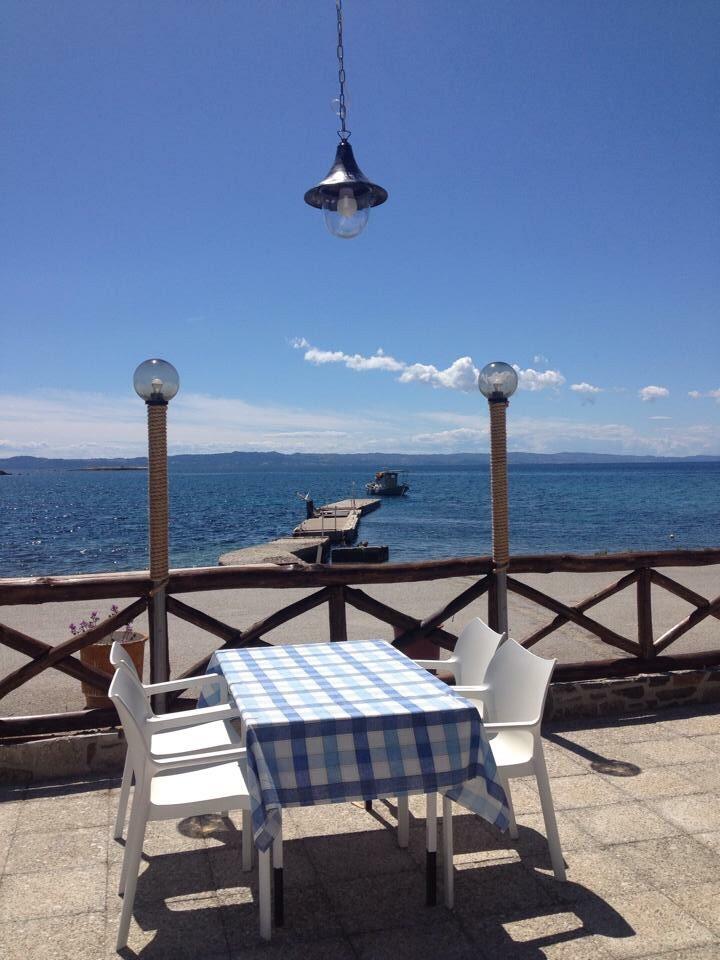
Porto Koufo is where you go when you want the harbour atmosphere with your meal. It feels different from eating on an open beach. Boats, reflections on the water, the quiet clink of harbour life. It is very easy to linger here, even if you only meant to stop for an hour.
Day-by-day ideas (practical, not over-planned)
For families with younger kids
- Morning swim in Porto Koufo for calm water.
- Late morning and lunch in Toroni where you have more space and easy access.
- Skip Tristinika if the wind is up. Save it for a calm day.
For couples
- Pick Aretes or a quieter end of Tristinika for a more private beach feel.
- Sunset drinks near Ethnik if you want atmosphere.
- Finish with a harbour dinner in Porto Koufo when you want something more intimate and scenic.
For groups of friends
- Commit to Tristinika for the day, especially in high season when the vibe is strongest.
- Do a sailing day from the area when the weather is stable. Not sure where to start? Contact our local travel agency for friendly, personalised advice, seasonal offers and travel options.
- Move to Porto Koufo in the evening for a change of scene and a long meal.
Seasonal feel: crowds, water clarity, and wind
In July and August, Toroni and Tristinika are busy, but the south still feels less “compressed” than the big-name bays further north. Porto Koufo tends to fill around meal times more than beach times, because people come for the harbour experience even if they are staying elsewhere.
Water clarity is often excellent across this area, especially after a few calm days. After windy spells, the more exposed beaches can look stirred up, while Porto Koufo often stays swimmable. If you like snorkelling, aim for mornings and choose the quieter, rockier edges, not the centre of the busiest beach stretch.
For a reliable read on broader climate patterns and wind, the Hellenic National Meteorological Service is worth checking before you drive far: hnms.gr.
How this area compares with the rest of Sithonia
If you want harbour life with more services and a bigger resort feel, you might prefer Neos Marmaras. We cover that in Neos Marmaras, Paradeisos & Tripotamos: Harbour Life and Quiet Bays. If you want shallow, lagoon-like water and easy boat days around little islands, Vourvourou is the classic choice, and our guide to Vourvourou, Karidi, Livari & Ormos Panagias: Lagoons, Islands and Shallow Seas explains why.
The south, though, is for people who like a bit more space, a bit more nature, and beaches that can feel untamed on the right day. Not always perfect. Often memorable.
Local tips that save time (and small annoyances)
- Do your “big beach day” early. By midday, parking and heat make everything feel harder.
- If the sea looks wavey at Tristinika, do not force it for kids. Switch to Porto Koufo and enjoy the calm.
- Bring water and shade if you plan to sit away from the main organised sections, especially around Aretes.
- Keep a light jumper in the car for Porto Koufo evenings. The harbour can feel cooler once the sun drops, even in summer.
- If you want more structured planning across Sithonia, Want the full picture? Read our in-depth Halkidiki travel guide before you book.
For background reading on the harbour itself and why it is so famous, the Wikipedia entry is a decent starting point: en.wikipedia.org. For a sailing-focused look at routes and experiences around Halkidiki, yachts.holiday is also useful.