Quick parking reality check before you set off
Parking in Kassandra and Sithonia is not hard, but it is easy to get it wrong. The two big problems are soft sand that looks firm until your wheels sink, and “just five minutes” parking that turns into a ticket or a blocked road.
We are local Halkidiki and Thessaloniki tourism professionals with 20+ years on these roads, beaches, and village lanes. We have watched visitors get stuck at sunset, and we have helped them push out too, so this guide is practical, not pretty.
Sand vs asphalt: the #1 reason cars get stuck here
In summer, the ground changes. What was compact in May can be powder by August, especially after a few days of meltemi winds and constant traffic. “Looks fine” is not a test, and neither is “the SUV in front made it”.
How to spot sand that will swallow your tyres
- Colour and texture: pale, dry sand with a slightly rippled surface is usually loose. Darker sand near the waterline is firmer but you should not park there.
- No vegetation: bare open patches between dunes are often the softest, even if they look flat.
- Deep ruts: if you see fresh tyre grooves, that spot is already collapsing under weight.
- Heat shimmer at midday: sounds silly, but very hot sand behaves like flour. Cars dig in fast.
Asphalt is safer, but not always legal
Asphalt shoulders and village edges feel like the safe option, but they can be exactly where enforcement happens. If you are on a bend, near a junction, over a dropped kerb, or blocking any access to a property, you are taking a risk. And in peak season, locals report issues quickly because one badly parked car can stop a whole street.
If you must park on a “mixed” surface
- Keep two wheels on the firmest line, usually where other cars have compacted the ground.
- Avoid turning the steering wheel while stationary. That’s how tyres dig down.
- Reverse in if you can. Leaving forward is easier when the sand is soft.
- Do not park on dunes or behind reeds. Apart from fines, you can damage protected areas and you will feel like an idiot when you have to ask for help.
Common ticket and tow spots (and why they catch visitors)
Most fines are not about “tourists”. They are about flow. When traffic is heavy, police and municipal teams focus on places that cause jams or block emergency access. It can feel harsh, but it is predictable once you know the patterns.
Village centres with narrow streets
- Afytos (Kassandra): stone lanes, tight corners, and lots of people walking. Park outside the core and walk in. Afytos is not the place to “squeeze it in”. Coordinates: 40.0999, 23.4371.
- Neos Marmaras (Sithonia): busy waterfront and hills above it. Double-parking happens, then the whole road locks. Use proper areas and accept a short walk. Coordinates: 40.0931, 23.7863.
- Nikiti (Sithonia): the older part has narrow streets and limited turning space. If you block a driveway, you might be gone when you return. Coordinates: 40.2171, 23.6658.
Beach roads where the “shoulder” is actually a lane
In July and August, some beach access roads become one long queue. People park partly on the road to “hold a place”. That is where tickets appear, and it can also stop buses and emergency vehicles. Timetables, opening hours and routes can change without notice. Always double-check locally before you travel.
Marinas and port areas
- Ormos Panagias (Sithonia): a small port that gets crowded with Mount Athos cruise traffic. Park early and keep clear access for coaches and service vehicles. Coordinates: 40.2350, 23.7322.
- Chrousso (Kassandra): popular for boat departures. If you are joining a day on the water, plan parking like you plan your swimwear. Coordinates: 39.9587, 23.6821.
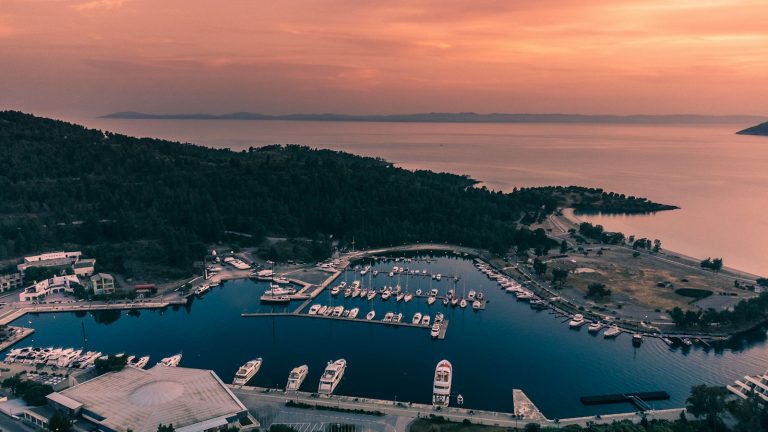
- Porto Carras Marina (Sithonia): generally more structured, but still busy when events or peak arrivals hit. Follow signage and avoid “just outside the gate” parking. Coordinates: 40.0756, 23.7950.
Where “free space” is actually private access
In resort areas around Paliouri, Chrousso, and parts of Pefkohori, you will see gaps that look like public pull-ins. Many are access routes for hotels, beach bars, or service roads. If you block deliveries, you are likely to get a note, a call, or a fine. Sometimes all three, honestly.
High season tricks that actually work (without being annoying)
Peak season is about timing, not luck. If you arrive at 11:30 and expect front-row parking, you will circle, overheat the car, and end up stressed. If you arrive earlier or later, the same beach feels easy.
Use the “Greek beach day” rhythm
- Before 10:00: easiest parking, calmer water, best light, fewer arguments.
- 13:00 to 16:00: some families leave for lunch or naps. Spaces open up briefly.
- After 17:30: great for a late swim and sunset. Parking gets easier again, but watch where you leave the car overnight.
Park once, walk more
In places like Pefkohori (Kassandra, coordinates 39.9893, 23.6112) and Neos Marmaras, the best move is to park a bit further back on wider streets, then walk down. You avoid the tight seafront loops and you are less likely to get blocked in by someone who “just stopped for a coffee”.
Choose beaches with better access roads when you can
Some popular beaches have sandy, narrow approaches that turn into chaos. If you are not confident with tight parking, pick beaches with more structured access or hotel zones where surfaces are more stable. Near Neos Marmaras, for example, Lagomandra Beach (coordinates 40.1344, 23.7680) is gorgeous, but the parking area can feel cramped and the edges can be soft. Arrive early and avoid the sandy margins.
Don’t follow the crowd off-road
If one car cuts onto sand to “make a space”, five cars copy it. Then the first one tries to leave and gets stuck, and suddenly you are all stuck behind them. It happens so often that we could set our watches by it, and yes it is a bit tragic.
Night parking: what’s fine, what’s risky, what to avoid
Night parking is different because visibility is worse, signs are easier to miss, and some areas switch from “busy beach” to “service road” once the bars close. Also, if you park near the sea, salt air and humidity can make surfaces slippery by morning.
Good options for overnight parking
- Wider residential streets a short walk from the centre, where you are not blocking access.
- Clearly marked public parking areas near town edges.
- Hotel parking if you are staying there. Ask first, even if it looks open.
Risky overnight spots
- Seafront strips: tempting, but morning deliveries and cleaning vehicles need space.
- Next to bins: early collections, tight manoeuvres, and sometimes broken glass.
- On sand near dunes: the ground cools and shifts, and you might wake up to a tyre half buried.
Extra note for late-night village visits
Afytos and Pefkohori are lively at night. If you are coming for dinner, park as if you are staying for hours, because you probably will. After midnight, it is easy to forget where you left the car too, which is funny until it is not.
Kassandra: practical parking notes by area
Kassandra gets the heaviest volume in summer, especially weekends. Roads are generally good, but village centres and beach approaches are where things go wrong fast. If you are debating whether to have a car at all, our piece on Do You Really Need a Car in Halkidiki? Honest Pros and Cons in 2026 will save you a few headaches.
Afytos: park outside and enjoy the walk
Afytos is built for wandering, not for cars. The smart plan is to park on the edges where streets are wider, then walk into the old village for views and tavernas. If you try to push into the centre, you will meet stone walls, tight turns, and locals who have seen it all before. It’s a lovely village. Just not a driving challenge.
Pefkohori: avoid the seafront squeeze
Pefkohori is busy, especially evenings. The seafront and the nearest few streets fill up quickly, and that is where you see the most chaotic stopping and awkward reversing. Park slightly inland, on a street where two cars can pass, then walk down. You will be calmer and you will leave faster.
Paliouri and Chrousso: beach day logistics matter
Paliouri (coordinates 39.9426, 23.6625) and nearby Chrousso are popular for beach clubs and boat departures. The key is to arrive earlier than you think, and to avoid sandy “overflow” areas unless you are sure the ground is firm. If you are heading out on the water, it’s worth planning your day properly and keeping parking simple. If you’d like to explore the coast, ask us about day trips at sea and sailing boat options.
Nea Skioni: small village, limited space near the waterfront
Nea Skioni (coordinates 39.9474, 23.5306) has a relaxed feel and a small harbour area. In peak season, the waterfront spots go early. Park a bit back and keep the harbour access clear. Fishermen and deliveries still run on real schedules, even when you are on holiday.
Possidi Cape: sand is the whole point, so be careful
Possidi Cape is one of the classic places where visitors get stuck because the landscape invites you in. If you are going, read Possidi Cape in 2026: Sea, Sand, Parking and Natural Shade first. It covers the reality of shifting sand, where it’s safer to leave the car, and why “just a bit further” is usually the moment you regret it.
Sithonia: practical parking notes by area
Sithonia feels wilder, with more coves and viewpoints, but that also means more narrow access roads and fewer big parking areas. The good news is that if you time your day well, you can still park without drama.
Neos Marmaras and Porto Carras: busy hub, structured areas if you use them
Neos Marmaras is a main base in Sithonia, with lots of accommodation, food, and boat activity. In summer the centre gets crowded, and the slopes mean cars roll if you park badly. Use proper spaces, avoid blocking turns, and do not leave the handbrake half-on. It sounds obvious, but we have seen cars slide a little on hot dusty asphalt, no joke.
Porto Carras Marina nearby often feels easier because it is more organised. Still, follow signs and avoid inventing your own spot, especially near entrances and service lanes.
Nikiti: old village charm, modern parking stress
Nikiti has two different vibes, the newer seafront stretch and the older settlement up the hill. The old part is beautiful, but it is not designed for modern traffic. Park in a wider area and walk. If you are visiting in the evening, bring a light layer, because the breeze can pick up and it feels cooler than you expect.
Ormos Panagias: plan for cruise traffic
Ormos Panagias is a working little port and a starting point for cruises. On busy mornings it fills up fast with cars, vans, and coaches. If you are joining a trip, arrive early enough to park properly and still find your boat without sprinting. For local diving and sea activities info, you can also check portoscuba.com for area context and conditions.
Lagomandra Beach: arrive early, avoid the soft edges
Lagomandra is popular for a reason. Clear water, pines nearby, and a classic Sithonia feel. Parking can be the tricky bit. The centre of the parking area is usually firmer, while the outer edges can be sandy and rutted. If you see loose sand, do not gamble. Park slightly further back on firmer ground and walk in. Sea and outdoor activities depend on weather and your own fitness level. Always follow local safety advice and skipper instructions.
Driving and parking habits visitors miss (and how to blend in)
Halkidiki driving is mostly relaxed, but summer pressure changes behaviour. People stop suddenly, reverse without warning, and squeeze through gaps that look impossible. If you want a deeper look at local road realities, read Driving Culture: Rules and Speed Cameras in Halkidiki and Thessaloniki: What Visitors Miss.
Small habits that prevent problems
- Leave space at corners: Greek villages need turning room for delivery vans and buses.
- Do not block gates: even if they look unused. They might open at 06:30.
- Watch for faded lines: some no-parking markings are worn but still enforced.
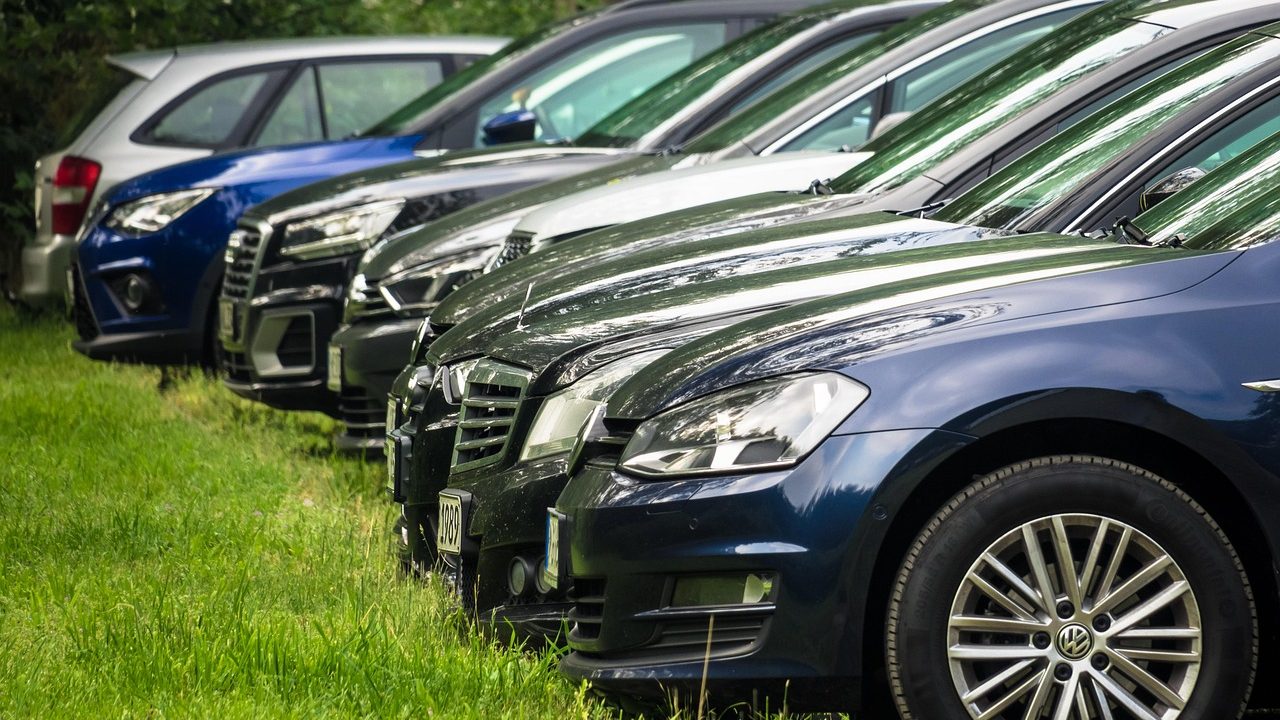
- Park neatly: if you take two spaces in August, someone will notice.
If you get stuck in sand
- Stop spinning the wheels. That digs deeper.
- Clear sand from in front of the tyres, then try gentle movement.
- Lower tyre pressure slightly only if you know what you are doing, and reinflate as soon as you can.
- Ask for help early. Locals often help, but not when you have made a mess for half an hour.
Renting a car? Parking should be part of the decision
If you are hiring a car for Kassandra and Sithonia, choose something you can park confidently. Big cars feel safe on the motorway, but they are a pain in Afytos lanes and seafront squeezes. Our guide A Simple Guide to Renting a Car in Halkidiki: Insurance, Deposits and Hidden Rules covers the stuff that catches visitors out, including where “damage” often happens, which is usually in tight parking.
Not sure where to start? Contact our local travel agency for friendly, personalised advice, seasonal offers and travel options.Useful maps for planning your parking (so you do less circling)
If you are visiting multiple spots in one day, plan your route with parking in mind, not just driving time. A simple loop with sensible stops beats a “let’s see” approach that turns into constant U-turns.
[kassandra_map]
[sithonia_map]
Seasonal feel: when parking is easy, and when it’s chaos
May and early June are the sweet spot. Plenty of space, less pressure, and you can usually park close without drama. Late June to late August is busy, with weekends being the peak of the peak. September calms down again, and the sea is still warm, which is why locals love it.
Wind matters too. On breezy days, sand shifts and visibility can be a bit worse on dusty roads. After a windy night, yesterday’s “firm” spot might be soft today, so take a second look before you commit.
Who this parking approach suits
- Families: park a bit further away, choose safer surfaces, and avoid stressful squeezes with kids in the heat.
- Couples: evening village visits work best with inland parking and a short stroll.
- Older travellers: prioritise flat walking routes and proper parking areas, especially in hilly places like Neos Marmaras.
- Nature lovers: avoid dune parking and respect protected areas. You will enjoy the scenery more when you are not worrying about a fine.
[random_authority_text]
Official sources worth checking (because rules can change)
- Greek National Tourism Organisation (Visit Greece) for general travel guidance.
- Hellenic National Meteorological Service for wind and heat that affect driving and sand conditions.
- Halkidiki overview (Wikipedia) for geography context when you are planning routes across peninsulas.
If you want the sea to do the moving, not your car
Some days the easiest parking strategy is not parking at three beaches at all. Pick one base, then do a boat day and skip the road stress. You can browse sailing options at yachts.holiday and keep your driving to a minimum.
[ticketinhub_list_all]
Want the full picture? Read our in-depth Halkidiki travel guide before you book.