Possidi Cape in 2026: Sea, Sand, Parking and Natural Shade
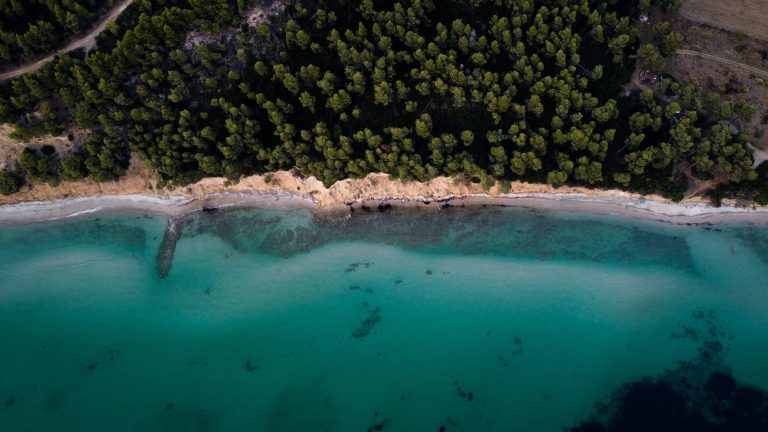
Possidi Cape is one of those Kassandra places that looks simple on a map and then surprises you in real life. It is a narrow sand spit that keeps shifting with the seasons, with clear water on both sides and a proper “end of the road” feel.
We have been bringing friends, families, and visiting guests here for over 20 years, and it still catches people out. Not in a scary way, just in the practical details like where the shade really is, how far you will walk, and what the sea can do on a windy day.
Where Possidi Cape is (and what people mean by “the cape”)
Possidi sits on the west side of the Kassandra peninsula in Halkidiki, south-west of Fourka and not far from Kallithea if you are coming down the main road. The “cape” is the sandy point that stretches out from Possidi Beach (POI 106) and forms a long sandbank into the sea.
It is not a built-up beach. Think open sand, low dunes, and sea on both sides. Facilities are back closer to the village side, not out on the tip, so you need to arrive prepared.
How to get there from Thessaloniki and around Halkidiki
Most visitors come by car from Thessaloniki, heading towards Nea Moudania (POI 81) and then onto Kassandra via Nea Potidea (POI 84). From Nea Potidea you follow the Kassandra ring roads towards Fourka and Possidi. Driving times depend heavily on summer traffic, especially around the Kassandra entrance. If you are planning your base, our guide to Where to Stay in Halkidiki in 2026: Best Areas for Families, Couples and Friends helps you pick the right area for your style of trip.
If you are relying on buses, routes and seasonal frequency change, and the last return can be earlier than people expect. Timetables, opening hours and routes can change without notice. Always double-check locally before you travel. In practice, Possidi Cape is much easier with your own wheels, especially if you want sunset.
Still deciding about transport? Read Do You Really Need a Car in Halkidiki? Honest Pros and Cons in 2026 before you lock in plans. It is not always essential in Halkidiki, but for places like this it makes the day calmer.
Parking: what works, what doesn’t, and how not to get stuck
Parking is the number one stress point here, mainly in July and August. The closer you try to get to the sandbank, the more likely you are to end up on soft sand or blocking someone in. There is no “official” cape car park right on the point, and that is honestly a good thing because it keeps it more natural.
Use firm ground and accept a walk. If you want more detailed local parking habits, fines, and what to avoid, see Where to Park in Kassandra and Sithonia Without Getting Stuck or Fined.
Practical parking tips locals actually use
- Arrive early if you want easy parking and a relaxed walk. By late morning in peak season, the best spots are already gone.
- Do not drive onto sand unless you can clearly see compacted track and other cars safely parked. Even then, think twice. The sand changes after windy nights.
- Keep a mental note of your exit route. If you park on a track that narrows, you might meet oncoming cars and have to reverse in deep sand, which is a pain.
- Bring water to the car. The walk back in full sun feels longer than you think, especally with kids and floaties.
The sandbank: what it’s like underfoot and how far you can walk
The cape is a long, thin tongue of sand. Some days it feels wide and easy. Other days it is narrower, with the sea nibbling at the edges. That is normal. Winter storms and summer winds reshape it constantly.
Underfoot, it is mostly fine sand, but you will also find patches of shells and small pebbles, especially where the waterline has been busy. Most adults are fine barefoot for the walk, but kids often prefer shoes when the sand is hot or when they start stepping on shells.
Shoes vs barefoot: what we recommend
- For adults: barefoot is fine early morning and near the waterline. Take light sandals for the scorching midday sand.
- For kids: water shoes are a win. They can run, splash, and not worry about shells or the odd sharp bit.
- If you plan to wade across shallow sections, shoes that stay on matter. Flip-flops float away fast when a small wave hits.
Sea conditions: currents, waves, and what to watch with children
This is the bit people underestimate. You have water on both sides of the sandbank, and the sea can behave differently on each side depending on wind direction. One side can look like a pool while the other has a steady push and small breaking waves.
At the very tip, the water movement can feel stronger. Not a dramatic rip like an Atlantic beach, but enough to pull inflatable toys sideways and to make little ones lose footing. If you are with children, treat the tip as a look-and-walk zone, not your main swim spot.
Sea and outdoor activities depend on weather and your own fitness level. Always follow local safety advice and skipper instructions.Safety with kids: simple rules that work here
- Pick a base spot away from the very end of the sandbank. Midway along the cape is usually calmer and gives you more space.
- Swim on the side that is sheltered from the wind that day. If you feel a push when you stand in waist-deep water, move to the other side.
- Inflatables are fun but they drift fast. Keep them on a short leash, literally holding on, or skip them when there is any breeze.
- At sunset, light drops quickly. If you are staying late with kids, do your last swim earlier and keep the end walk for photos.
Where the natural shade actually is (and where it isn’t)
People arrive expecting trees right on the sandbank. There aren’t. The cape itself is open and exposed, and that is part of the beauty, but it means shade is limited and changes through the day.
The most reliable natural shade is back closer to the dunes and the edge of the beach nearer Possidi village, not out on the narrow spit. You might find a bit of shade from low vegetation and dune shapes, but it is not the kind you can count on for hours.
Shade strategy for a comfortable day
- Bring your own shade if you are coming late morning to late afternoon. A proper beach umbrella makes the whole day easier.
- If you want natural shade, arrive earlier and set up nearer the back of the beach where the dunes give a little protection from sun and wind.
- For families, plan shade breaks away from the tip. The walk back in full sun with tired kids is where meltdowns happen.
Best time to go: day, week, and season
Possidi Cape is at its best when you can enjoy the space and the light. Early morning is gorgeous, with calmer water, cooler sand, and a quieter feel. Late afternoon into sunset is the other sweet spot, especially for photos and that wide-open horizon.
In high summer, mid-day can be punishing. No shade, reflective sand, hot feet, and the breeze that feels nice on your towel can make the sea choppy on one side. If you only have mid-day free, bring shade, water, and snacks and keep expectations realistic.
Season-by-season feel
- May to mid-June: less crowded, clearer water on calm days, and the cape feels spacious. Water can still be cool, but it is a lovely time for long walks.
- Late June to August: busiest and hottest. Parking becomes the main challenge. The sea is warm and inviting, but wind can pick up in the afternoons.
- September: one of our favourites. Warm water, softer light, and fewer people. The cape feels relaxed again.
- October: quieter and often beautiful for walking. Swimming depends on the weather pattern that week.
If you like checking conditions before you go, the Hellenic National Meteorological Service is the most sensible starting point: https://www.hnms.gr/.
Swimming and water clarity: what to expect
On calm days, the water can be glassy and very clear, especially when there has not been wind for a day or two. You can often see the sandy bottom easily in the shallows, which is great for kids who like to potter about and collect shells.
After windy spells, you can get more suspended sand in the water, particularly on the exposed side. It is still clean, just less “postcard clear”. If your priority is snorkelling clarity, go early in the day and pick the sheltered side.
Sunset potential: is it worth staying late?
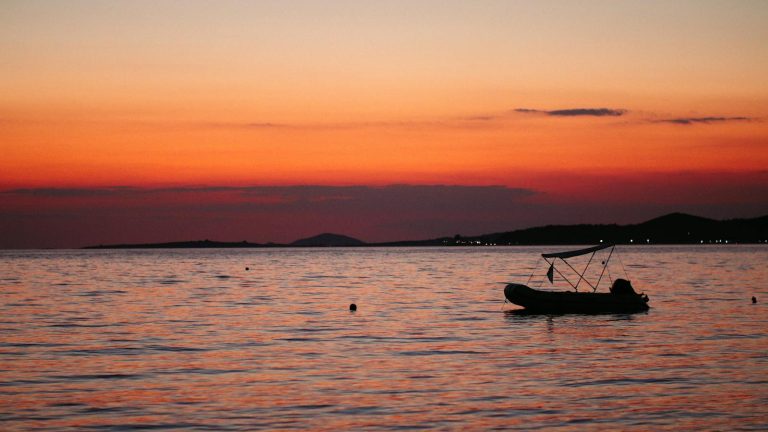
Yes, if you can manage the logistics. Possidi is on the west side of Kassandra, so you get a proper sunset line over the sea. When the sky goes pink and the sandbank narrows into the distance, it is one of the most photogenic moments on this side of Halkidiki.
Two practical notes. First, bring a light layer even in summer because the breeze can turn cool once the sun drops. Second, be organised with parking and your walk back. It gets darker quickly, and the sandy tracks are harder to follow if you are tired or carrying kids.
What to do besides lying on the sand
Possidi Cape is mainly about the landscape and the sea, but you can easily make it a fuller day by pairing it with nearby spots in Kassandra. If you are moving around the peninsula, it also works as a calmer counterpoint to busier beaches.
Easy ideas that fit a Possidi day
- Walk the sandbank slowly, stop for photos, and watch how the sea changes from one side to the other.
- Bring a mask for a quick snorkel in the clearer, sheltered shallows. Keep it simple, this is not a reef site.
- Combine with a village stop for food. Fourka and Kallithea have plenty of options, and Afitos (POI 2) is lovely for an evening wander if you want stone houses and views.
- If you are curious about local history on the drive in or out, the site of Ancient Potidaea near Nea Potidea is a nice quick stop: https://en.wikipedia.org/wiki/Potidaea.
Possidi West Beach: when it makes more sense than the cape
If the cape feels too exposed, or you want a more organised beach day, look at Possidi West Beach (POI 107). It is still in the Possidi area but tends to feel more straightforward for families who want easier access and a clearer setup.
You can check any updates they publish here: https://possidiwestbeach.gr/. Just remember that conditions and access can change seasonally, especially after winter weather.
Food, toilets, and “what should we pack?”
Out on the cape itself, assume no services. That is the deal. You will be happier if you pack like you are going to a natural beach, because you are.
Our realistic packing list
- Water and a bit extra. The walk plus sun dehydrates you faster than you think.
- Umbrella or pop-up shade if you are coming after 10am.
- Water shoes for kids, and sandals for adults.
- Snacks or a simple picnic. Kids get hungry right when you are farthest from the car.
- A small rubbish bag. Wind can pick up and loose wrappers end up in the dunes.
- Basic first aid stuff like plasters. Shell scrapes happen.
Who Possidi Cape suits (and who might not enjoy it)
This is a place for people who like natural scenery and do not need a beach bar every ten metres. It is also brilliant for photographers and anyone who enjoys long shoreline walks.
For families, it can be fantastic if you plan for shade and choose your swim spot carefully. For older travellers or anyone with limited mobility, the soft sand and the walk can be tiring, so a more accessible beach setup might be more comfortable.
Good match
- Couples who want sunset and a quieter vibe
- Nature lovers who enjoy dunes, open horizons, and simple swimming
- Families with school-age kids who can handle the walk and follow sea-safety rules
Maybe choose somewhere else
- Families with toddlers who need constant shade and easy toilets nearby
- Anyone who hates walking on soft sand or needs step-free access
- People who want a fully organised beach day without packing anything
Boat days and sea experiences nearby
Seeing Kassandra from the water is a different kind of magic, especially when the afternoon breeze picks up and the coastline looks sharper. If your trip is leaning towards sailing rather than beach hopping, If you’d like to explore the coast, ask us about day trips at sea and sailing boat options. can point you in the right direction for routes and the practical bits.
If you want to browse sailing options in one place, use this: .
Diving and snorkel curiosity (what’s realistic here)
Possidi Cape is more about shallow swimming and the sandbank than dramatic underwater scenery. If you want a proper dive day in Halkidiki with experienced guidance, it is better to plan it with a specialist. A good starting point for diving info and local context is https://www.portoscuba.com/.
Local notes we tell friends every time
Because the cape changes, your “perfect spot” might be different from last year, or even from last week. Be flexible. Walk a bit, feel the wind, look at the waves, then decide where to settle.
[random_authority_text]
- If you see seaweed lines on the sand, it usually marks where the sea reached during recent wind. It is a clue about how exposed that side can get.
- Do not leave valuables visible in the car. It is rare, but summer beach areas are not the place to test luck.
- Sun cream timing matters here. People burn faster because the sand reflects light and there is no shade to hide in.
Planning help for a smooth day
If you want us to sanity-check your plan for Possidi versus other Kassandra beaches, or suggest a day route that fits your base and travel style, Not sure where to start? Contact our local travel agency for friendly, personalised advice, seasonal offers and travel options.. We do this stuff daily, and it saves a lot of faffing about in the heat.
For more ideas across the region, including beaches and routes that pair well with Possidi, use Want the full picture? Read our in-depth Halkidiki travel guide before you book..