Loutra’s thermal waters, quiet coves and slow evenings by the sea
Loutra, tucked on the south-west tip of Kassandra, is where you come when you want hot mineral baths, a calm sea and evenings that still feel like a proper Greek village. Over the last two decades we’ve watched it grow from a tiny spa hamlet into a low-key wellness corner of Halkidiki that still keeps things simple and quiet.
If you’re dreaming of hot baths, a small harbour, rocky coves and a couple of good tavernas rather than clubs and crowds, Loutra in 2026 is exactly that kind of place.
Where Loutra is and why it feels so different
Loutra sits at the far south-west of the Kassandra peninsula in Halkidiki, about 5–10 minutes’ drive beyond Agia Paraskevi village and roughly an hour and a half from Thessaloniki by car, depending on traffic. It faces west, so you get big sunsets over the open sea and a more windswept feel than on the busier east coast resorts.
Because it’s at the end of the road, Loutra has a “last stop” atmosphere: low-rise buildings, a compact harbour, the thermal spa complex on the edge of the cliffs, and a handful of coves stretching away towards Nea Skioni. Most visitors are here for the thermal waters, peaceful walks and a couple of days of switching off rather than a full-on beach holiday.
If you’re exploring the quieter south-west coast of Kassandra, it fits perfectly with a stay in Nea Skioni or the small seaside villages down towards Mola Kalyva and Ancient Mendi – we’ve put a broader area overview in our guide to Nea Skioni, Loutra, Mola Kalyva and Mendi.
Getting to Loutra and around the area
By car from Thessaloniki, you follow the main road into Kassandra, pass Kallithea and then continue south via Fourka and Nea Skioni, before turning inland towards Agia Paraskevi and then down to Loutra. The drive is straightforward, with the last stretch becoming more winding and scenic as you approach the sea.
By bus, there are usually KTEL buses from Thessaloniki to Kassandra villages such as Kallithea, Fourka and Nea Skioni. From there you may need a taxi to Loutra, as direct services can be limited, especially outside peak months. Always check the latest times with the official Halkidiki KTEL website or at the station in Thessaloniki. Timetables, opening hours and routes can change without notice. Always double-check locally before you travel.
Parking in Loutra is generally manageable. There’s roadside parking and small informal spaces near the harbour and above the spa. In August evenings it can get busy, so we tend to arrive earlier, park once and do everything on foot.
Loutra thermal spa: what to expect from the hot baths
The heart of Loutra is the Thermal Spa Agia Paraskevi, built on the cliff on the western edge of the village. The waters here are sulphur-rich and naturally warm, and the spa is popular with both Greeks and international visitors for joint and skin issues, but also simply for relaxation.
Facilities and atmosphere inside the spa
Over the years we’ve seen the spa modernise while keeping a fairly simple, no-fuss feel. Expect:
- Indoor pools with thermal water at different temperatures.
- Hydrotherapy features such as jets and waterfalls in the main pool area.
- Private baths or cabins which can be booked for a more secluded soak.
- Basic spa services (massages, treatments) available on request, especially in high season.
- Changing rooms and showers that are functional rather than luxurious.
The atmosphere is calm and slightly old-fashioned in a good way. You’ll see local pensioners with their multi-day therapy cards alongside younger couples and small groups of friends. It’s a place where people come to actually use the water, not just take photos.
How pricing usually works
The spa operates with a clear price list, normally with:
- Single entry to the main thermal pool for a set session time (often around 30–60 minutes).
- Separate fees for private baths, cabins or any extra treatments.
- Multi-day or multi-entry packages that are better value if you’re staying several days and using the baths daily.
Prices do change, so we don’t quote exact numbers. As a rule of thumb, a one-off visit is usually affordable compared with many European spa resorts, and locals often come repeatedly over a week or two for therapeutic reasons. For up-to-date details, it’s worth calling the spa directly or checking the municipality’s pages linked from the official Greek National Tourism Organisation site.
Practical tips for your spa visit
- Bring your own flip-flops and towel – there’s usually rental available, but it’s easier and more hygienic to have your own.
- Wear an older swimsuit – sulphur water can slightly affect colours over time.
- Don’t overdo your first session – start with a shorter soak, especially if you’re not used to thermal waters or have low blood pressure. Sea and outdoor activities depend on weather and your own fitness level. Always follow local safety advice and skipper instructions.
- Ask staff about water temperature and recommended use – they’re used to questions and will happily explain how best to alternate between hot and cooler areas.
- Keep hydrated – drink water before and after your session, and avoid heavy alcohol beforehand.
Best time of day for the hot baths
After many visits in different months, we’ve settled on two ideal times to enjoy the Loutra thermal spa in comfort.
Morning sessions: quieter and gentler
Morning visits (especially before midday) are usually:
- Quieter, with a mix of older locals and a few dedicated spa-goers.
- Cooler outside, which makes stepping out of the hot water more pleasant in July and August.
- Better if you want to combine the spa with a beach afternoon – soak first, then head to the sea.
We often recommend morning sessions for families with older relatives; it’s less crowded and easier to move around.
Late afternoon and sunset: atmospheric but busier
Late afternoon into evening is the most atmospheric time, especially in shoulder season. In 2026, with more people looking for wellness-style breaks, you can expect:
- Richer colours outside and a beautiful soft light as the sun drops.
- A livelier crowd, including couples and small groups combining spa time with dinner in Loutra.
- Higher demand for private cabins, so pre-booking is wise in July–August.
If you’re sensitive to heat, avoid the very hottest hours in midsummer; even with air conditioning, going from strong sun to hot water to sun again can be tiring.
The beach at Loutra: small, calm and better for a dip than an all-day stay
Loutra isn’t a classic long-sand beach resort. Instead, you get a small central beach by the harbour and a string of coves and rocky stretches that are perfect if you want a quick sea swim before or after the baths rather than a full beach day.
The main Loutra beach
Right by the harbour you’ll find a compact beach with a mix of sand and small pebbles. The water is usually calm, especially in the morning, and the seabed drops off gradually, though it can be uneven in places.
In 2026 it’s still a low-key spot:
- A few sunbeds and umbrellas in front of cafés or small beach bars (varies by season).
- Sections of free beach where you can lay a towel.
- Easy access for a quick swim if you’re staying in the village.
We tend to use this beach as a “bonus” – a refreshing dip after a spa session or a quick swim before dinner rather than the main focus of the day.
Nearby coves and swimming spots
Walking away from the harbour in either direction, you’ll find small rocky coves and more natural stretches of coastline. The sea here is usually very clear, with a mix of rock and sand underfoot and some nice snorkelling around the rocks.
- Towards Nea Skioni: a mix of pebbly patches and little coves. Good if you like quieter spots and don’t mind a short walk.
- Towards the spa cliffs: more dramatic rocks and deeper water; better for confident swimmers than for small children.
Footpaths can be uneven and slightly overgrown, so wear proper sandals or trainers if you’re exploring, and always watch your step on the rocks. Sea and outdoor activities depend on weather and your own fitness level. Always follow local safety advice and skipper instructions.
When the sea is at its best
Along this stretch of the west coast, the sea is typically:
- Clearest in the morning, before any wind picks up.
- Warmest from late June to late September, with July–August ideal if you like bath-warm water.
- Fresh but pleasant in May and early June, when the area is at its greenest and quietest.
On some afternoons, a western breeze can bring small waves and a bit of chop, which is refreshing in the heat but less ideal for very young children. If you’re after flat, glassy water, aim for early morning swims.
Loutra as an evening base: who it suits
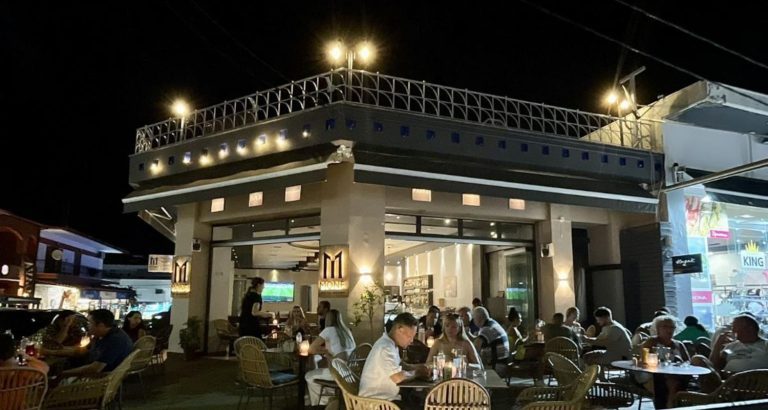
Loutra’s evenings are soft and slow. You’ll find people strolling the small waterfront, children biking around the harbour, and older visitors chatting at café tables. There’s no loud nightlife here; that’s part of the appeal.
In our experience, Loutra suits:
- Couples who want spa time, dinners by the sea and early nights.
- Older travellers who appreciate the therapeutic baths and a quiet environment.
- Nature lovers who combine Loutra with walks, drives and quiet bays – our broader guide to Halkidiki for nature lovers has more ideas if that’s your style.
- Families with teens or calm younger children who don’t need big waterparks or nightlife.
If you’re after bars, clubs and shopping, you’re better off staying in places like Kallithea or Neos Marmaras and visiting Loutra as a day trip.
[random_authority_text]
Where to eat in Loutra: honest, local and sea-focused
One of the reasons we keep coming back to Loutra is that, despite its small size, it has a handful of reliable tavernas and cafés that understand simple, well-cooked food. You won’t find gourmet experimentation here; you will find grilled fish, proper salads and a glass of wine with the sound of the sea.
Typical food offerings you can expect
Menus in Loutra’s tavernas usually focus on:
- Fresh fish and seafood – grilled or fried, often caught along the same coast.
- Classic meze – octopus, calamari, saganaki, dips and seasonal vegetable dishes.
- Local meats – souvlaki, grilled chicken, lamb chops.
- Simple pasta and pizza options for children or fussier eaters.
Ask what’s fresh that day rather than ordering by habit. In a small place like Loutra, this makes a big difference.
Best times to eat and reserve
In July and August, Greeks tend to eat late. If you prefer quieter dinners:
- Go early (around 19:00–20:00) for more space and a softer light over the harbour.
- Reserve a table on weekends if you want a specific spot by the water.
- In shoulder months (May, June, September), you can usually just walk in, but it’s worth checking opening days as not all places stay open every evening.
If you’re planning treatments or a longer spa session, it’s a good idea to leave a gap before a heavy meal, so we often do baths in late afternoon and eat after a short break back at the accommodation. Not sure where to start? Contact our local travel agency for friendly, personalised advice, seasonal offers and travel options.
Day trips and nearby villages from Loutra
Because Loutra is small, most visitors combine it with short drives around Kassandra. Within 20–40 minutes by car you can reach livelier villages, broader beaches and more traditional squares.
Nea Skioni and the south-west coast
Nea Skioni, just up the coast, has a wider beach and a proper harbour promenade with more tavernas and cafés. It’s a good option if you want a change of scene while staying in Loutra, or if you’re deciding where to base yourself along this quieter stretch. Our article on Nea Skioni, Loutra, Mola Kalyva and Ancient Mendi compares the feel of each stop in more detail.
Agia Paraskevi village
Up the hill from Loutra, Agia Paraskevi is a traditional inland village with a proper square, old houses and a cooler feel in the evenings. It’s a pleasant change if you’ve spent the day by the sea and want a short drive to a different atmosphere for a coffee or a simple meal.
Further afield: Afitos, Fourka and beyond
If you don’t mind driving a bit further, you can reach:
- Afitos – a stone-built village above the sea with views and a more cosmopolitan feel, along with Afitos Beach below for a combination of swimming and strolling. It’s one of the prettiest settings on Kassandra and worth at least an evening.
- Fourka – another west-coast village with a long beach and more developed seafront, good if you want a full day on a sandy shore with more facilities.
- Kallithea – busier, with shops and nightlife, useful for a change of pace, especially if some members of the group want more activity.
For official information about local villages and routes, the Municipality of Kassandra site is a good reference point.
Sailing, boat trips and the wider coastline
Loutra itself is more of a small harbour than a big marina, but it’s well positioned if you’re thinking about exploring Halkidiki by sea. The coastline from Nea Skioni down past Loutra and across to Sithonia has some wonderfully quiet stretches that look very different from the water.
If you’re interested in chartering a yacht or planning a longer sailing holiday around Halkidiki and beyond, yachts.holiday is a useful place to start comparing routes and possibilities. For simple day cruises, check what’s available locally in Nea Skioni or Kassandra’s larger resorts. If you’d like to explore the coast, ask us about day trips at sea and sailing boat options.
On the diving side, Halkidiki’s clear waters and rocky bottoms make for enjoyable beginner and intermediate dives. For a feel of the local underwater world and professional guidance, have a look at portoscuba.com based in Halkidiki.
Seasonal feel: when Loutra is at its best
Because Loutra is more about wellness and relaxation than pure beach life, it has a slightly different rhythm to the bigger resorts.
Spring (April–May)
- The landscape is green and fresh, with wildflowers along the roads.
- The spa is open and pleasantly uncrowded.
- The sea is cool but swimmable on sunny days for those who don’t mind fresher water.
- Evenings are quiet; ideal if you want rest and mild temperatures.
Early summer (June)
- Our favourite time for a spa-and-sea combo in Loutra.
- Water temperature becomes comfortable for longer swims.
- Village life picks up, but it’s still far from crowded.
- Perfect for couples and older travellers looking for warmth without the peak-season intensity.
Peak summer (July–August)
- The hottest and busiest period, but Loutra remains calmer than Kallithea or Neos Marmaras.
- The spa can be busier in the evenings; consider morning sessions.
- The sea is warm and inviting, with long, golden sunsets.
- If you’re hunting for quieter corners even in August, our guide to quiet corners of Halkidiki in August pairs nicely with a stay here.
Autumn (September–October)
- Water stays warm well into late September, sometimes early October.
- The light softens, and evenings cool down, which suits spa visits perfectly.
- Some tavernas and accommodations start to close from mid-October, so check ahead.
Who Loutra is – and is not – ideal for
Drawing on many years of taking friends, family and clients here, we’d recommend Loutra in 2026 especially for:
- Spa-focused short breaks – 2–4 nights of thermal baths, simple food and sea views.
- Multi-generational trips – grandparents can use the spa while younger family members enjoy the sea and short drives.
- Travellers combining Kassandra and Sithonia – Loutra makes a restful pause between busier bases like Neos Marmaras or Kallithea.
It’s less ideal if:
- You want long sandy beaches with plenty of organised facilities right outside your door.
- You’re looking for busy nightlife, shopping and crowds.
- You don’t have a car and want to explore widely – public transport is limited and taxis add up.
[halkidiki_map]
Practical planning notes for Loutra in 2026
To make the most of Loutra’s spa and beaches, we suggest:
- Book accommodation within walking distance of the spa and harbour so you can leave the car parked.
- Plan your spa sessions around the heat – mornings or late afternoons in high summer work best.
- Schedule at least one “nothing” day where you just do baths, a swim, a nap and a long dinner.
- Combine Loutra with another base if you have a week or more – for example two or three nights here plus a longer stay in a beachier village.
- Check local and official sites such as the Hellenic weather service for up-to-date weather, and municipality pages for any spa maintenance closures.
[picketinhub_list_all]
If you’d like a broader overview of how Loutra fits into Halkidiki as a whole – from mountains and forests to hidden bays – our main regional guides are a good next step. Want the full picture? Read our in-depth Halkidiki travel guide before you book.