Staying in Halkidiki with Pets: Accommodation, Beaches and Local Reactions
Halkidiki can be brilliant with a pet, but it is not a free-for-all. A lot depends on where you stay, how you use the beach, and how you handle the everyday moments like check-in, café terraces, and busy promenades.
We are Halkidiki.info – travel guide for Sithonia, Kassandra & Mount Athos, and as Our local team of skippers, travel agents and scuba instructors with over 20 years of experience in Halkidiki is here to help you. we have been working in Halkidiki and Thessaloniki tourism for over 20 years. We have done these drives, stayed in these areas, and seen what works and what causes friction, so you can travel with less stress and fewer awkward chats.
Where you are in Halkidiki matters (more than most people expect)
Halkidiki is three “legs” plus the mainland. Most visitors with pets base themselves on Kassandra or Sithonia because the roads are straightforward and you have lots of beaches to choose from. The Athos Coast is beautiful too, but it can feel more limited if you need lots of shade breaks and easy access to services.
If you want a simple first trip with a dog, look at villages with a proper year-round feel, not only seasonal resorts. Afytos (Kassandra) and Nikiti (Sithonia) are good examples because you can walk in the village, find a mini market, and get to the beach without needing to drive every time. It makes the whole day calmer, especally in hot weather.
Reading listings: what “pet-friendly” actually means here
In Halkidiki, “pet-friendly” can mean anything from “we love dogs, bring two” to “one small dog is tolerated if it never touches the sofa”. You will save yourself a lot of hassle by reading listings like a contract, not a vibe.
Green flags in a listing
- Clear rules on size, number of pets, and whether they can be left alone in the property.
- Outdoor space that is genuinely usable, like a fenced garden or a terrace with a proper gate.
- Flooring that is easy to clean. Tiles are common and usually a good sign.
- Nearby walking options mentioned, like a quiet lane, an olive grove path, or a beach access track.
- Photos that show the entrance and outdoor areas, not only the bedroom and a bowl.
Red flags that often lead to conflict
- “Pets on request” with no further detail. It often means the host is unsure and will decide based on the mood of the day.
- Extra “cleaning rules” that are vague. If they do not say what they want, they will complain later.
- Shared yards with multiple units and no mention of boundaries. In summer, neighbours can be sensitive about barking.
- Properties right above a busy bar strip in places like Chaniotis or Pefkochori. Night noise plus a stressed dog is not fun.
Messaging hosts: what to ask (and how to ask it)
Always message before booking, even if the listing says pets are allowed. Keep it friendly, short, and specific. Hosts here respond better to practical info than long emotional stories.
Send a message like: “Hi, we are travelling with one adult dog, 18kg, quiet, house-trained. Is it ok if he stays in the apartment when we go for dinner for 1 to 2 hours? Are there any areas he should not access like beds or sofas?” You will quickly see if the host is comfortable or if they start adding new conditions.
Questions that prevent misunderstandings
- Is there a pet fee or deposit, and what is it for (extra cleaning, potential damage)?
- Can the pet be left alone, and for how long?
- Any restrictions on furniture, balconies, or garden use?
- Do you need to bring your own bedding, towels, bowls?
- Where is the nearest shaded walk and where do guests usually take dogs for toilet breaks?
If you are travelling in peak August, ask about the exact parking situation too. A long, hot walk from a far car park to the room is a rough start for everyone.
Choosing the right base: villages that work well with pets
Pet travel is easier when you can do short walks early and late, and spend midday in shade. That is why the “base village” matters more than the exact beach name on your wishlist.
Afytos and Afitos Beach (Kassandra)
Afytos has character and proper streets for a morning stroll. The beach below the village can be busy in the middle of the day, but early morning and later evening are usually calmer. With a pet, the key is choosing a spot away from the densest sunbeds and giving people space when you pass.
Expect steps and slopes depending on your access route. If your dog is older, check how steep the path is from your accommodation to the sea. Some guests book “close to the beach” and then realise it is close in distance, not in effort.
Nikiti and Agios Ioannis Beach (Sithonia)
Nikiti is a practical base with lots of accommodation types. Agios Ioannis Beach is long and open, so you can usually find room to set up away from crowds if you go at quieter times. Water clarity is often very good in Sithonia, which is great for a quick cool-down dip, but be mindful of sea urchins in rocky edges.
For a calmer routine, stay slightly back from the busiest seafront strip. You still get access to tavernas, but your dog can sleep without hearing every scooter at midnight.
Neos Marmaras and quieter beach options nearby (Sithonia)
Neos Marmaras is lively and convenient, with supermarkets and evening walks along the promenade. If you have a dog that gets overwhelmed by crowds, plan your beach time around short drives to quieter spots like Ag. Kiriaki Beach and Diaporti Beach, where you can often find more space, especially outside the peak hours.
These natural-feeling beaches can have limited facilities. Bring water, shade, and bags. Also check the access road condition if you are in a small rental car, because some tracks get a bit rutted after storms.
Pefkochori, Chaniotis, Paliouri (Kassandra)
These are popular bases with lots of apartments and hotels. The upside is choice and services. The downside is crowds in July and August, plus busy beach zones where people are less patient about dogs near their towels. If you stay here with a pet, your win is timing and selecting quieter stretches rather than trying to “fit in” at the busiest beach bar area.
Paliouri can feel a touch more relaxed depending on where you stay, but you still need a plan for beach access and shade. In Kassandra, the afternoon can be sticky hot with less breeze than you expect.
When you are juggling pet needs and human holiday needs, it helps to read our broader area guide too: Where to Stay in Halkidiki in 2026: Best Areas for Families, Couples and Friends.
Beaches with pets: what is realistic, and what locals react to
Let’s be honest, the biggest source of tension is not accommodation. It is the beach. Some people love seeing dogs in the sea. Others do not, and they will say so, sometimes loudly.
Local norms are simple. Keep your dog under control, keep distance from other towels, do not let your dog shake water over people, and always pick up after them. If you do that, most beachgoers will ignore you or smile. If you do not, you will get comments, and you will deserve them.
For the detailed etiquette, including how to choose a stretch of sand and how to handle busy days respectfully, use this guide: Dog-Friendly Beaches in Halkidiki and How to Use Them Respectfully in 2026.
Quiet times that make everything easier
- Early morning is gold. Cooler sand, fewer people, calmer dogs.
- Late afternoon into sunset can work well, but watch the promenade crowds as families come out.
- Midday in peak season is when conflicts happen. Heat plus density equals stress.
Common conflict triggers (and how to avoid them)
- Off-lead “just for a minute”: keep the lead on when walking past others. Use off-lead only if you are truly alone and your recall is solid.
- Dogs approaching kids: even a friendly dog can scare a child. Step aside and wait.
- Wet dog in a taverna chair: bring a small towel or a mat so your dog settles on the ground.
- Barking on balconies: if your dog reacts to passers-by, choose a quieter street or a ground-floor place.
- Throwing balls near swimmers: pick a quiet edge and throw parallel to the shore, not into a busy swim lane.
Seasonal feel: heat, crowds, winds, and water clarity
Halkidiki changes a lot through the year. In May and June, you get space, fresh evenings, and the sea is often clear. September is a favourite for many pet owners because the water is still warm but the beaches breathe again.
July and August are doable, but you need discipline. Long midday beach sessions are not kind to most dogs. Plan shaded breaks, short swims, and village walks when the sun drops. Also, car parks fill quickly near popular beaches, so you may end up walking on hot surfaces if you arrive late.
Wind-wise, Sithonia often feels a bit more open and breezy on certain coasts, while some Kassandra bays can feel still and hot. After windy days, water clarity can change, especially near busy sandy areas. It is normal, not a disaster.
What to pack for a smoother stay (beyond the obvious)
- A long lead for quiet beach edges and evening walks.
- A lightweight shade option. Some beaches have trees, many do not.
- Paw protection if your dog is sensitive to hot ground.
- Tick prevention and a tick remover. Rural edges and olive groves are part of the holiday.
- Old towel for drying before entering shops or accommodation common areas.
- Spare water bottle just for the dog. You will use it more than you think.
Getting around without drama: arrivals, ferries, and everyday errands
Most visitors arrive via Thessaloniki and then drive into Halkidiki. For pets, that is usually the easiest option because you can stop for water and shade when needed. If you are crossing borders with a dog, paperwork and microchip checks are not something to wing at the last minute. This is covered properly here: Coming to Halkidiki with a Dog: Borders, Heat and Everyday Reality.
In villages, you will find that many café terraces are fine with a calm dog lying under the table, especially if you arrive early. Inside spaces can be different, and it varies by owner. If you are unsure, ask first. A simple “Is it ok if the dog sits outside with us?” avoids the whole awkward scene.
Opening hours and local timing
Shops and services can run on seasonal schedules, and Sundays can be quieter outside the main resort strips. If you are relying on a specific pet shop or pharmacy, check ahead. Timetables, opening hours and routes can change without notice. Always double-check locally before you travel.
Swimming, boats, and sea days with a pet
Not every dog likes the sea, and not every beach day has to include swimming. If your dog does swim, keep it short and rinse with fresh water after, especially if they have sensitive skin.
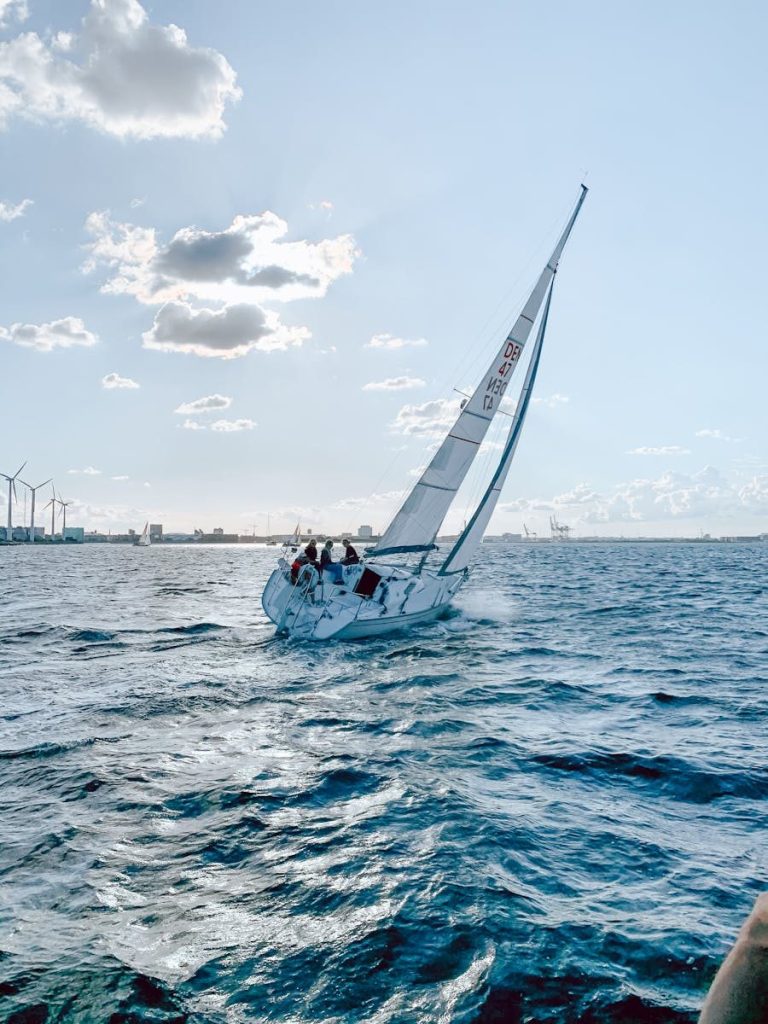
Boat days can be a great way to escape the busiest beaches, but only if your dog is comfortable on a moving deck and you can provide shade. If you are planning a sailing day, ask in advance about onboard rules, where the dog can sit, and how boarding works. If you’d like to explore the coast, ask us about day trips at sea and sailing boat options.
For diving and snorkelling trips, pets usually stay on land, so plan it as a split day with one person staying back or choose short sessions. If you are looking into local diving in general, PADI standards and safety guidance are worth reading on the official site: https://www.padi.com/. For a local operator overview and practical info, you can also check https://portoscuba.com/.
Pet health on holiday: the reality check most people skip
Heat is the big one. Dogs overheat faster than people think, especially on windless days and in busy beach zones where there is no shade. If your dog is panting hard, slowing down, or seeking cool surfaces, stop and cool them down properly.
For vets, emergency basics, and what to do when something feels off, keep this page saved: Pet Health and Emergencies in Halkidiki: Vets, Heat and Safety Tips.
If you want official travel health guidance for animals entering Greece, it is worth checking the EU rules on pet travel, because requirements can change: https://europa.eu/youreurope/citizens/travel/carry/animal-plant/index_en.htm.
Local reactions: what you will actually experience
Most locals are used to dogs. You will see village dogs, working dogs, and plenty of family pets. Visitors with well-behaved dogs are usually met with a nod, a quick chat, or nothing at all.
The pushback tends to come in three situations. Packed beaches, busy evening promenades, and inside spaces where owners worry about hygiene or other customers. If someone says no, take it calmly and move on. There is nearly always another terrace five minutes away.
Small behaviours that build goodwill fast
- Carry bags visibly and use them. People notice.
- Step off the main path when someone looks nervous around dogs.
- Keep your dog close when passing sunbeds and prams.
- Bring a mat so your dog settles instead of wandering table to table.
[random_authority_text]
Examples of smart day planning (so you do not end up arguing on a beach)
If you are staying in Afytos
- Early swim or shoreline walk near Afitos Beach before the sunbeds fill.
- Midday rest in the room with shutters closed, then a short village loop in the shade.
- Evening taverna on a quieter back street, not the busiest square corner.
If you are staying in Nikiti
- Morning at Agios Ioannis Beach on a quieter stretch, then back before midday heat.
- Late afternoon stroll in the old village lanes where it is cooler.
- Quick shop run early evening, when pavements are not scorching.
If you are staying in Neos Marmaras
- Promenade walk early, before the town gets loud.
- Beach time at a quieter nearby spot like Diaporti if your dog needs space.
- Plan parking so you are not carrying a tired dog up a steep lane in full sun.
Three quick external resources that are genuinely useful
- Official Greek tourism information for general travel planning: https://www.visitgreece.gr/
- Municipal updates and local announcements can help in summer (events, works, access notes). For example, the Municipality of Kassandra: https://www.kassandra.gr/
- Background on the region if you are mapping out the three peninsulas: https://en.wikipedia.org/wiki/Halkidiki
If you are still deciding where to base yourself, or you want us to sanity-check a shortlist of stays based on your dog’s temperament and your travel dates, send a message. Not sure where to start? Contact our local travel agency for friendly, personalised advice, seasonal offers and travel options.
Want the full picture? Read our in-depth Halkidiki travel guide before you book.