
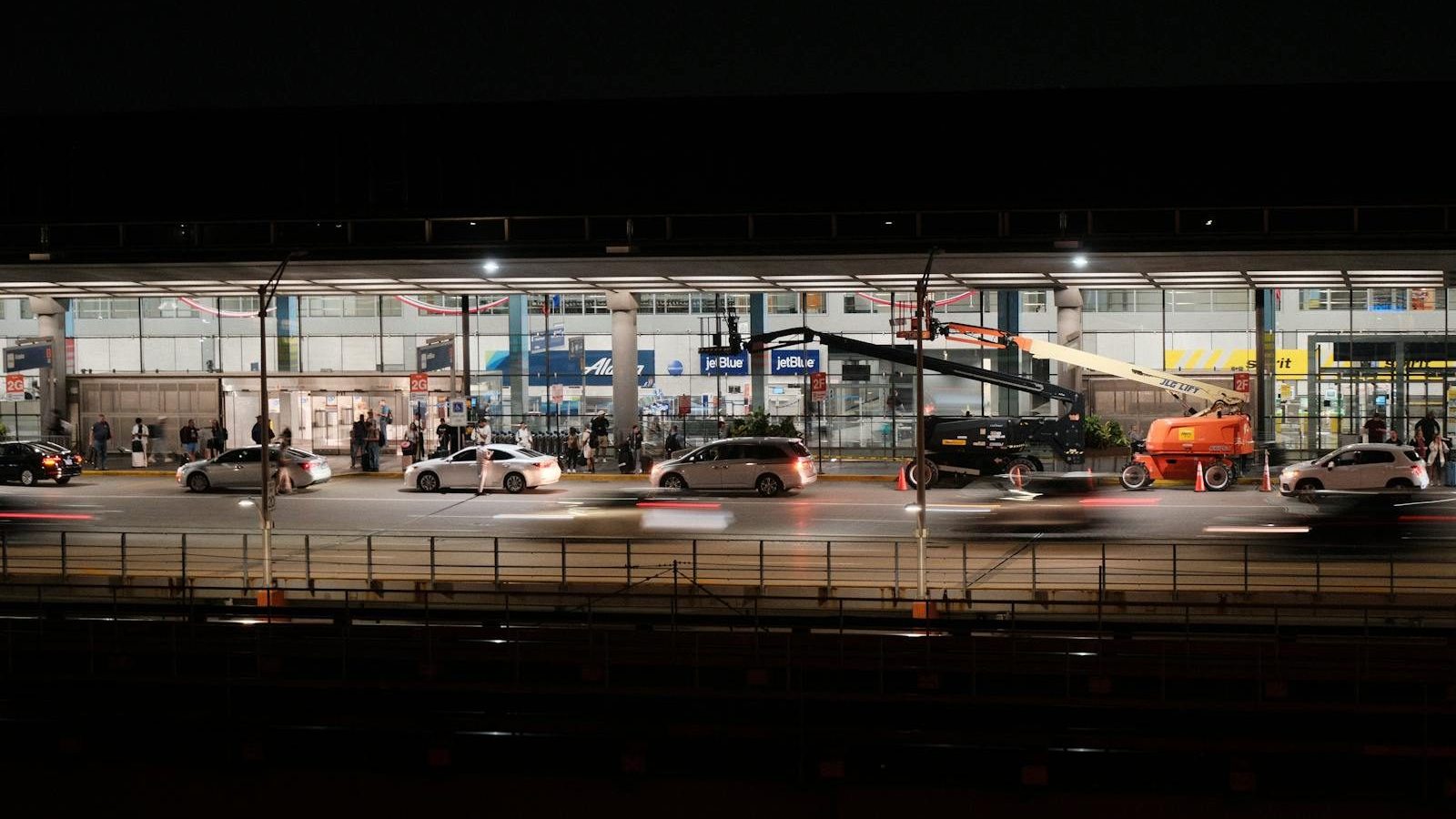
Arriving late at SKG and heading to Halkidiki: what locals really think about the night drive
Landing at Thessaloniki Airport “Makedonia” (SKG) late at night can feel like the start of an adventure – or a test of patience – especially if you’re planning to drive on to Halkidiki straight away. After more than two decades welcoming visitors and doing this journey ourselves many times, we can tell you: sometimes it’s sensible, sometimes it’s really not.
This guide walks you through when it’s safe and practical to drive to Halkidiki at night, when to think twice, and what your realistic alternatives are – from quick airport hotels to transfers and buses – so you can choose what actually suits your family, your flight time and your tiredness level.
Understanding the late-night journey: where you’re actually going
Thessaloniki Airport sits on the eastern side of the city, near Thermi (around 40.52398, 22.97764). From there, the road to Halkidiki follows the ring road and then the main highway south-east towards Nea Moudania (about 40.2416, 23.2840), the gateway to the peninsulas.
Roughly speaking, driving times at night (without heavy traffic) look like this:
- Airport to Nea Moudania – usually about 40–50 minutes.
- Airport to Nea Potidea (Kassandra isthmus) – around 50–60 minutes.
- Airport to central Kassandra resorts (e.g. Hanioti, Pefkochori) – about 1.5 hours.
- Airport to Neos Marmaras in Sithonia – around 1 hour 45 minutes to 2 hours.
The first section from the airport to just past Nea Moudania is mostly dual carriageway with decent lighting. After that, especially once you’re on Kassandra or Sithonia, you’ll be on narrower, darker coastal or forest roads with bends, fewer lights and more local surprises (parked cars, dogs, slow tractors).
If you haven’t already, our in-depth guide Is Halkidiki a Safe Holiday Place? Driving, Beaches, Crime & Nature Risks is a useful companion to this article.
Key question: how tired will you realistically be?
Most problems we see with night arrivals are not about crime or “dangerous roads” – they’re about fatigue and overestimating how fresh you’ll feel after travel. With Our local team of skippers, travel agents and scuba instructors with over 20 years of experience in Halkidiki is here to help you. experience watching guests arrive at all hours, these are the biggest red flags:
- Very late landing – after 22:30–23:00, especially if you still have to collect luggage and a hire car and then drive more than an hour.
- Long travel day behind you – early start from home, connections, or delays that have already stretched you.
- Driving on the “wrong” side – if you’re not used to driving on the right, concentration costs more energy.
- Unfamiliar car – working out lights, mirrors and controls in the dark adds extra stress.
- Family pressure – tired children in the back, partner trying to navigate in the dark, and everyone just wanting to arrive.
If you tick several of these, the honest advice from us is: seriously consider sleeping near SKG or along the way and finishing the drive in daylight.
How safe are the roads at night from SKG to Halkidiki?
From a local’s point of view, the main road network between SKG, Thessaloniki and Nea Moudania is quite straightforward. The key is to understand the change in conditions as you leave the city area.
Lighting and visibility
- Airport to Thessaloniki ring road – generally well-lit, multiple lanes, clear signage.
- Ring road to Nea Moudania junction – mostly dual carriageway with moderate lighting, though some stretches feel darker than a typical UK motorway.
- Nea Moudania to Nea Potidea – still a main road, but lighting becomes more patchy.
- Inside Kassandra and Sithonia – single carriageway, limited or no lighting, sharper bends, and occasional drops to the side of the road.
Headlights on some local vehicles can be badly adjusted, and high-beam use is more common than many visitors expect. Take it calmly, slow down if dazzled, and avoid reacting suddenly.
Traffic and driving style
Late at night you’ll usually see:
- Less general traffic – good for a smoother run, but also means fewer reference points and more “empty” road.
- Faster locals – some drivers use quieter hours to drive quickly or overtake more aggressively.
- Professional drivers – taxis, private transfers and lorries who know the route very well.
Understanding local driving culture helps. For more context, our article Driving Culture: Rules and Speed Cameras in Halkidiki and Thessaloniki: What Visitors Miss explains what to expect.
Road hazards specific to night-time
- Stray dogs and cats, especially near villages and petrol stations.
- Slow farm vehicles without strong rear lights.
- Parked cars on the roadside in villages or by popular beaches.
- Sharp bends and sudden curves, particularly on Sithonia’s coastal route and around Neos Marmaras (40.0931, 23.7863).
- Occasional potholes or rough patches on smaller roads and in resort areas.
None of these are dramatic if you’re alert and driving at a sensible speed – but if you’re fighting sleep, they become bigger risks. Sea and outdoor activities depend on weather and your own fitness level. Always follow local safety advice and skipper instructions.
Who usually copes fine with a night drive – and who doesn’t
From years of watching guests arrive, here’s who generally manages the night drive well:
- Confident, rested drivers used to longer journeys and driving abroad.
- Couples or small groups of adults who can share driving and navigation.
- Guests staying near the start of Halkidiki, for example around Nea Moudania or Nea Potidea, with a shorter final leg.
And here are the situations where we gently recommend sleeping near SKG or in Thessaloniki first:
- Families with young children after a long travel day, especially if your resort is deep into Kassandra or Sithonia.
- Solo drivers who have already been awake for many hours.
- Nervous drivers or those who dislike dark, unfamiliar roads.
- Arrivals after midnight with more than 1.5 hours of driving still ahead.
Option 1: driving directly to Halkidiki at night – pros and cons
If you’re landing around 19:00–21:00 in summer and you’re reasonably fresh, a direct drive to Halkidiki can be perfectly sensible. Later than that, the balance starts to shift.
Advantages of driving straight away
- You wake up in your resort – no repacking, no extra check-in, you can start the holiday fully from the first morning.
- Less daytime heat – the car is cooler, and you avoid the midday sun when you arrive.
- Quieter roads near resorts – outside of peak weekend nights in July–August, resort traffic is lighter late in the evening.
- More flexibility with stops – you can pause at Nea Moudania or Nea Potidea for a snack or coffee if something is open.
Disadvantages and risks
- Fatigue – the biggest issue; your reaction time and judgement drop without you noticing.
- Navigation stress – finding a villa or apartment in the dark, sometimes with poor signage, can be frustrating.
- Limited support if something goes wrong – car hire desks may have limited night staff; small local garages will be closed.
- More challenging roads towards the end – especially for Sithonia or smaller villages down the peninsulas.
Practical tips if you decide to drive at night
- Rest at the airport – sit down, hydrate, have a light snack before you start.
- Check the car thoroughly – lights, mirrors, fuel level, hazard lights and wipers before leaving the rental car park.
- Use offline navigation – download maps in advance in case your mobile signal drops on the way.
- Plan a safe stop – for example near Nea Moudania, where there are petrol stations and services along the main road.
- Drive slower than you think you “need” to – especially once you leave the main highway and enter Kassandra or Sithonia.
If you’re still considering whether you even want a car for your stay, our honest guide Do You Really Need a Car in Halkidiki? Honest Pros and Cons in 2026 can help you decide before you commit to night driving at all.
Option 2: sleep near SKG or the coast and drive in daylight
For many visitors, especially with late flights, this is the most relaxed solution. You split the journey into two calmer parts: airport to nearby hotel, then hotel to Halkidiki next morning.
Where to stay near Thessaloniki Airport
Within a short drive of SKG you’ll find:
- Airport business hotels in the Thermi area – practical, quiet, with easy parking and early breakfasts.
- Hotels in Perea and Agia Triada – Perea Beach (around 40.5074, 22.9318) and Agia Triada Beach (40.5008, 22.8741) are coastal suburbs of Thessaloniki, popular with locals and visitors wanting a quick swim and a relaxed evening by the sea.
Staying in Perea or Agia Triada gives you a soft landing: a short transfer from the airport, a walk along the promenade, and a proper sleep before driving on to Halkidiki after breakfast.
Pros of sleeping near the airport or coast
- Much safer energy levels – you tackle the main drive after rest and daylight.
- Easier navigation – street names, signs and turnings are simply more visible.
- Chance to adjust – you get used to the weather, the driving side and the local feel before heading on.
- Flexibility with buses or transfers – if you change your mind, you can still switch to a transfer or KTEL bus next day.
Cons of this option
- Extra check-in / check-out – one more hotel to manage, especially with children.
- Cost of an extra night – though some guests find a simple airport hotel cheaper than a full extra day’s car hire.
- Later arrival to your main resort – you start the holiday “proper” one morning later.
Option 3: night transfers and taxis vs driving yourself
Another compromise is to avoid self-driving entirely on arrival day. Instead, you use a taxi or pre-booked transfer from SKG to your Halkidiki accommodation, and then either:
- Hire a car the next day from a local rental office, or
- Skip the car completely if your resort and plans allow.
When transfers make more sense than driving
- Very late arrivals – after 23:00 or after delays, when you know you’ll be exhausted.
- Long distances – for example, SKG to Neos Marmaras or further down Sithonia at night.
- Families – you can focus on the children, luggage and check-in while a rested driver handles the road.
- Nervous drivers – you avoid the hardest part of the trip (first night on unfamiliar roads) entirely.
There are usually taxis available at SKG even late, and many transfer companies operate 24/7. Always confirm your arrival time and flight number when booking. If you do plan to continue to Kassandra another day by hire car, our detailed guide How to Get from Thessaloniki Airport to Kassandra in 2026: Taxi, Transfer or Car Hire is worth reading before you decide.
Pros of using a taxi or transfer at night
- No driving stress – you can relax, look out the window, or even nap a little.
- Local driver knowledge – they know the bends, the villages and how to find your accommodation.
- Door-to-door convenience – especially helpful if your villa or apartment is up a small, unlit lane.
Cons and considerations
- Less flexibility for stops – although most drivers will happily pause briefly if you ask.
- Need to pre-book for peace of mind – particularly in peak season or late-night arrivals.
- You may still want a car later – meaning you’ll arrange a second transfer or local rental.
Option 4: public transport and night arrivals – how realistic is it?
Public transport from Thessaloniki to Halkidiki relies mainly on the KTEL bus network. Buses to Kassandra and Sithonia leave from the KTEL Halkidiki bus station in Pylaia (around 40.57501, 22.98394), not directly from the airport.
To get there from SKG, you usually need a taxi or local bus into the city first, then connect to the KTEL station. From there, services run towards Nea Moudania, Nea Potidea and further into the peninsulas, with another station at Nea Moudania (KTEL Chalkidiki, near 40.2416, 23.2840) for connections.
However, late at night:
- Bus frequencies drop – last services are often earlier in the evening.
- Connections become awkward – long waits between airport, city and Halkidiki buses.
- Navigation with luggage is tiring – especially after a long flight.
Timetables, opening hours and routes can change without notice. Always double-check locally before you travel. Always check latest timetables on the official KTEL Chalkidiki website or via the tourist information desk at arrivals, as schedules change seasonally.
When we recommend buses with a night arrival
- You land in the afternoon or early evening and can realistically catch one of the last buses.
- You’re staying in a major hub like Nea Moudania, where buses are more frequent.
- You’re comfortable with simple Greek signage and can manage luggage on and off buses.
For very late arrivals, we rarely recommend relying on buses the same night. A night near the airport or in Thessaloniki, then a morning bus from KTEL Halkidiki station, is usually calmer and safer.
Where to stop on the way if you really need a break
If you’ve committed to driving at night but feel yourself fading, it’s better to stop than to push on. Between SKG and Halkidiki you’ll find:
- Petrol stations and service areas along the main highway between Thessaloniki and Nea Moudania.
- Hotels in Nea Moudania – a practical halfway pause if you’re heading deep into Kassandra or Sithonia.
- Hotels and rooms in Nea Potidea – the “bridge” village into Kassandra (around 40.1959, 23.3237), a natural point to rest before continuing down the peninsula.
Do not sleep in the car on the hard shoulder or in unsafe spots. If you feel genuinely too tired, aim for a populated area, a service station, or a town like Nea Moudania where you can safely park and seek accommodation.
[random_authority_text]
Seasonal differences: night driving in summer vs shoulder seasons
Halkidiki changes character through the year, and so does the feel of the night drive.
Summer (June–early September)
- Warmer nights – the car is more comfortable, but fatigue from heat and sun exposure earlier in the day can add up.
- More activity late – petrol stations and roadside cafés are more likely to be open later.
- Busier resort roads – especially Thursday to Sunday nights, with people going out to bars and restaurants.
Shoulder seasons (May, late September, October)
- Cooler, crisper nights – good for driving, but fewer services open late.
- Quieter in villages – less traffic, but also longer dark stretches between lights.
- Shorter daylight hours – evening flights can quickly turn into full darkness for most of your drive.
Winter and off-season
If you’re visiting Halkidiki outside the main season, remember:
- Even fewer open services at night along the route.
- Higher chance of rain and wind, especially around open coastal sections.
- Occasional fog or mist in low areas and near the sea.
Always check the latest conditions on a reliable weather site such as the Hellenic National Meteorological Service or Meteo Greece before a night drive in the cooler months.
How all this fits into your wider safety planning
Night driving is only one part of staying safe and relaxed on your Halkidiki holiday. The same principles apply across the board: know your limits, respect the sea and sun, and don’t rush. Our guide Is Halkidiki a Safe Holiday Place? Driving, Beaches, Crime & Nature Risks goes into detail on beaches, crime and nature so you can plan the whole trip with confidence.
What if you’re planning sailing or diving after a late arrival?
If you’re heading to Halkidiki for sailing or diving, be extra cautious about your first night. Being exhausted before you even step on a boat or into the water is not a good start.
For sailing trips
Many sailing charters and day trips leave from marinas near Nea Moudania, Neos Marmaras or further down the coast. If you’re joining a yacht early the next morning, consider:
- Sleeping near SKG or Thessaloniki and transferring in the morning, or
- Taking a night transfer directly to the marina while you rest in the vehicle.
For inspiration and planning, you can browse yacht options and itineraries on yachts.holiday, then decide whether your first night’s drive fits comfortably around your sailing schedule. If you’d like to explore the coast, ask us about day trips at sea and sailing boat options.
For scuba diving
Diving around Halkidiki, especially in areas like Kassandra and Sithonia, is rewarding – but only when you’re rested and focused. Many centres, such as those featured on portoscuba.com, start dives in the morning, when visibility and conditions are usually best.
If you arrive late at SKG and plan to dive the next day, we strongly recommend:
- Sleeping well before driving to your dive base, and
- Avoiding overly long night drives to remote coastal points.
Deciding what’s “sensible” for your specific trip
To bring everything together, ask yourself these questions honestly before you commit to a night drive from SKG:
- What time do we really walk out of arrivals? – remember luggage, passport control and car hire queues.
- How long have we been awake already? – count door-to-door from leaving home.
- How far into Halkidiki are we going? – city edge, Nea Moudania, Nea Potidea, or deep into Kassandra/Sithonia?
- Who is in the car? – solo driver, children, older relatives?
- How confident am I driving on the right in the dark?
If your inner voice says, “We’ll be shattered” or “I’m not sure about the last hour in the dark,” trust that feeling. One extra night near SKG or a transfer instead of self-drive can transform the start of your holiday from stressful to smooth.
Practical planning checklist before you travel
- Book flexible car hire – so you can adjust pick-up time if flight delays make night driving less appealing.
- Identify a backup hotel near SKG, Perea, Agia Triada or Nea Moudania in case you decide last-minute to stop.
- Save key locations in your phone: SKG, your accommodation, Nea Moudania, Nea Potidea, and any planned stop points.
- Check official sources for roadworks and weather – for instance on Hellenic Police traffic updates and a trusted weather site like Meteo Greece.
- Share your route with someone at home and your accommodation host, especially if arriving very late.
If you’re unsure which combination of car, bus and transfer will suit you best, Not sure where to start? Contact our local travel agency for friendly, personalised advice, seasonal offers and travel options. and our Our local team of skippers, travel agents and scuba instructors with over 20 years of experience in Halkidiki is here to help you. can help you match your arrival time with the most sensible plan.
Final thoughts: safe and sensible doesn’t mean less adventurous
Driving from Thessaloniki Airport to Halkidiki at night can be absolutely fine – we locals do it all the time. The question is not “is it possible?”, but “is it wise for you, on this particular day, with this particular flight and this particular family?”
Choosing to pause near SKG, take a transfer, or delay car hire until the morning is not missing out – it’s giving yourself the best chance to enjoy the coast, the villages and the sea the way they deserve: rested, relaxed and fully present.
Once you’re here, you can explore everywhere from Nea Moudania’s busy harbour to Neos Marmaras’ lively promenade and the quiet beaches beyond, at your own pace and in good light. For a deeper dive into getting around and staying safe, Want the full picture? Read our in-depth Halkidiki travel guide before you book. and explore our main guides on driving, car use and safety in Halkidiki.
[halkidiki_map]


