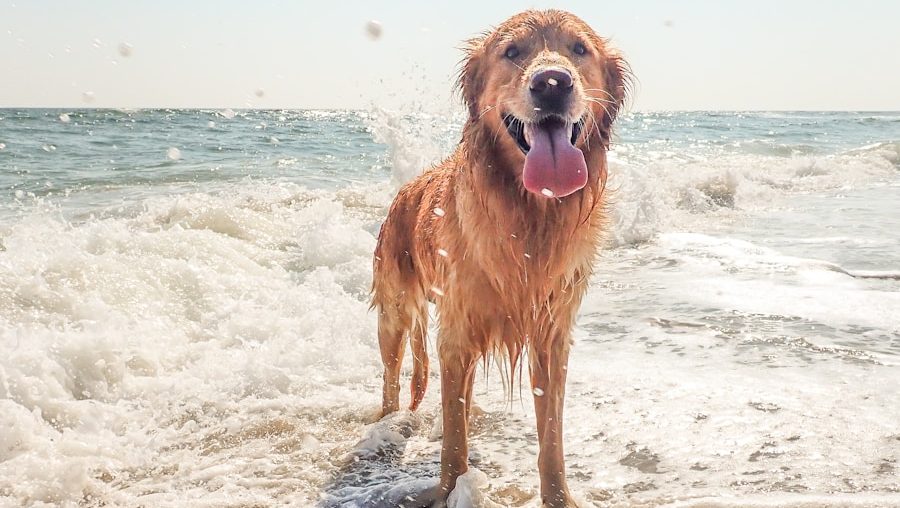
Halkidiki is brilliant with a dog, but it is not always easy. The big wins are long shoulder-season walks, clear water, and plenty of space once you get away from the busiest promenades.
What catches people out is the paperwork at borders, the heat in July and August, and the everyday reality of where dogs are welcomed and where they are just tolerated. We are Halkidiki.info – travel guide for Sithonia, Kassandra & Mount Athos and Our local team of skippers, travel agents and scuba instructors with over 20 years of experience in Halkidiki is here to help you., and after 20-plus years working across Thessaloniki and Halkidiki, this is the stuff we see visitors struggling with every single summer.
Where you are going, in plain geography
Halkidiki sits south-east of Thessaloniki, shaped like three peninsulas. Kassandra is the closest and busiest, Sithonia is greener and more “road trip” friendly, and the Athos Coast runs along the eastern side (Mount Athos itself has special access rules and is not a casual day out). Central Halkidiki is the inland backbone where you pass through for services, hospitals, and a lot of practical errands.
If you are flying in, Thessaloniki Airport “Makedonia” (SKG) in Thermi is your main gateway. If you are driving from Bulgaria, North Macedonia, Serbia, Romania, or further north, you usually funnel down to the Thessaloniki ring road and then out towards Nea Moudania and the peninsulas.
Pet passports and border rules: what actually gets checked
If you are travelling from the UK or another non-EU country, you will typically need an Animal Health Certificate rather than an EU pet passport. If you are travelling from an EU country, an EU pet passport is the usual document. Either way, the essentials are the same: microchip, a valid rabies vaccination, and the paperwork that matches the microchip number exactly.
At land borders, checks can be quick or surprisingly picky. Sometimes they wave you through. Other times they want to see the microchip page, rabies sticker details, and dates. It depends on the day, the queue, and the officer. Do not assume “no one checks” because that is when you get stuck.
Before you travel: the checklist we wish everyone used
- Microchip readable: ask your vet to scan it and write the number clearly in the documents.
- Rabies vaccination in date for the whole trip, including your return day.
- Paperwork names match your passport or ID. Little spelling differences can cause a headache, honestly.
- Carry a spare lead and a muzzle in the car. Even if your dog never wears one, some transport providers ask for it.
- Bring a few printed copies of key pages. Border staff do not want to scroll through photos on your phone while cars queue behind you.
Driving borders: what to expect on the ground
If you are coming down through Bulgaria, you might cross at Promachonas (Greece Bulgaria) and then continue towards Thessaloniki. If you are coming via North Macedonia, Evzoni is a common crossing. At peak weekends, queues build fast, and that is when dogs suffer in hot cars.
Plan your crossing for early morning if you can. Keep your dog’s water accessible, not buried under luggage. And do not rely on “we’ll stop when we see somewhere”. In summer, you can sit still for ages with the engine running, and it is stresful for everyone.
If your route is Bulgaria-focused, our detailed driving notes are here: Driving from Bulgaria to Halkidiki: Main Routes, Borders and Fuel Stops.
Flying in with a dog: the Thessaloniki reality
At SKG, most dog owners are either collecting a dog that flew in cargo, or arriving with a small dog in-cabin (depending on airline rules). Your airline sets the rules, not the airport, so check crate dimensions, seasonal embargoes, and temperature restrictions directly with the carrier before you book.
Once you land, you still need to be ready to show documents. It is rarely dramatic, but if anything is missing, it can turn your first day into a problem-solving day instead of a beach day.
For official guidance on pet travel paperwork, start with the UK government page if you are coming from the UK: Taking your pet abroad (UK Government). For EU rules and updates, the European Commission overview is useful: Movement of pets (European Commission).
Summer heat: the biggest risk people underestimate
Halkidiki heat is not just “warm”. In July and August, midday pavements can burn paws, cars turn into ovens, and even a fit dog can overheat quickly after a swim because they keep running. Add humidity on still days and it gets rough.
Sea and outdoor activities depend on weather and your own fitness level. Always follow local safety advice and skipper instructions.Car safety in summer: what we do locally
- Drive early, stop early. Aim to be off the road by late morning on the hottest days.
- Never leave a dog in a parked car, even “for two minutes”. It is not a scare story, it happens.
- Use sunshades and keep the rear cabin ventilated. Air con does not always reach the boot area well.
- Offer small drinks often, not one huge bowl after hours.
- Carry a spare towel. Wetting the towel and laying it down can help cool your dog during breaks.
Break planning: the boring bit that saves your holiday
If you are driving from Central Europe, you are looking at a long haul. Build the day around your dog, not around “we want to arrive by lunch”. In practice, that means a proper walk in the early morning, then shorter stops every couple of hours, then a longer shaded break in the middle.
On the Greek motorways you will find service areas, but shade is not guaranteed, and in peak season they are busy. We tell friends to pack a collapsible water bowl, a light long line for safe sniff breaks, and a few familiar snacks. A dog that will not drink strange water is more common than you think, so bring a bottle from home for the first day.
Getting around once you arrive: car, bus, and “can my dog come?”
Most visitors with dogs use a car, and for good reason. Halkidiki is spread out, and the best quiet beaches and walking spots are not always on a bus line. If you are staying in Kassandra, you can do a lot with short drives. In Sithonia, distances feel longer because the roads are curvier and you stop a lot for views.
If you are relying on buses, the main hub is the KTEL Halkidiki bus station in Pylaia, Thessaloniki. Policies about pets can change by route and driver, and space can be limited in summer. Timetables, opening hours and routes can change without notice. Always double-check locally before you travel. It is worth contacting the operator before the day you travel, especially with a medium or large dog.
Handy “arrival and stock-up” places
- Nea Moudania (Central Halkidiki): supermarkets, pet supplies, and practical errands before you head deeper into Kassandra or Sithonia.
- Nea Potidea (Kassandra): a natural first stop after the canal, good for stretching legs before you continue.
- Neos Marmaras (Sithonia): busy in season, but useful for supplies and evening walks once it cools down.
- Agios Nikolaos (Sithonia): a calmer base feel, often better for dogs that do not love crowds.
Beaches and day-to-day etiquette: what’s realistic
The hardest truth: in high season, many organised beaches are not relaxing with a dog. Not because people are nasty, but because sunbeds are packed, music is up, and there is no space for a dog to settle. You end up stressed, watching everyone’s feet, and your dog ends up hot and bored.
Your best bet is to choose quieter stretches, go early or late, and keep expectations modest. A quick swim and a shady rest is often better than trying to “do” a full beach day like you would without a dog.
For a detailed, respectful approach, use our guide: Dog-Friendly Beaches in Halkidiki and How to Use Them Respectfully in 2026.
Specific spots that work well as “dog days” (when you time them right)
These are not promises of official dog beaches. They are places where, in our experience, you can often find space and a calmer vibe if you go at the right time and behave considerately.
- Lagomandra area (Sithonia): beautiful water and pine shade nearby. Go early for calmer sand and easier parking.
- Afitos area (Kassandra): lovely for an evening walk when the heat drops. The village itself is great for a stroll, but keep your dog close in the busy lanes.
- Perea Beach (near Thessaloniki): handy if you arrive late and need a quick sea break before driving on. It can get busy, so aim for off-peak hours.
Seasonal feel: when it’s easiest with a dog
Late May, June, and September are the sweet spot for many dog owners. The sea is good, evenings are comfortable, and you can actually walk during the day without feeling like you are melting. In October, you still get lovely days, especially in Kassandra, and villages feel more local.
July and August are doable, but you need a different rhythm. Early swims, long midday rests, and then another outing after 7pm. If your dog is older, flat-faced, very fluffy, or not great in heat, be honest with yourself. You might enjoy Halkidiki more in June or September, and your dog definitely will.
For official climate context, the Hellenic National Meteorological Service is the safest reference: HNMS weather.
Food, water, and “local reactions” you will notice
Most tavernas with outdoor seating are fine with a calm dog under the table, especially in quieter villages. In busy seaside promenades, staff sometimes say no, mainly because they are packed and trying to keep aisles clear. It is rarely personal. Just move on and you will find somewhere else.
Street dogs exist in parts of Greece, including rural areas of Halkidiki. Most keep their distance, but if your dog reacts, keep them on a lead and avoid confrontations. Carrying a small torch for late walks is not a bad idea, even in resorts, because side streets can be dark and you want to see what your dog is sniffing.
If you want the honest social side, including what surprises visitors, read: Staying in Halkidiki with Pets: Accommodation, Beaches and Local Reactions.
Health planning: vets, emergencies, and what to pack
We see two main issues every summer: heat stress and paw problems from hot ground. After that, it’s the usual travel stuff like upset stomachs from new treats, or ear irritation after lots of swimming.
The General Hospital of Halkidiki is in Poligiros, inland. It is not a vet hospital, but it matters as a reference point if a human emergency happens at the same time. For pets, you will rely on local veterinary clinics in towns and larger villages, and in Thessaloniki there are more options if you need specialist care.
[random_authority_text]
What we keep in a simple dog travel kit
- Your dog’s documents in a waterproof folder.
- Tick prevention up to date. Ticks are a real thing in grassy areas.
- Saline pods for rinsing sandy eyes.
- A basic paw balm and a small roll of vet wrap for minor scrapes.
- A familiar blanket so your dog settles faster in new rooms.
If you want a deeper, practical safety guide (including what to do if your dog is overheating), use: Pet Health and Emergencies in Halkidiki: Vets, Heat and Safety Tips.
Day trips and boat time: is sailing worth it with a dog?
Sometimes yes, but only if your dog is genuinely relaxed on boats and you choose a calm day. The sea can look flat from the beach and still feel bouncy once you are out. Also, there is shade on some boats, but not always enough for a long trip in August.
If you are considering it, pick a shorter route, ask about shade, bring a non-slip mat, and plan how your dog will get in and out of the water safely. And bring more water than you think you need. If you want to explore options, start here: If you’d like to explore the coast, ask us about day trips at sea and sailing boat options.
For a general overview of activities that suit different energy levels, you can browse: [ticketinhub_list_all]
Where it suits best: choosing the right base with a dog
Kassandra is easiest for quick access from Thessaloniki and lots of services. It is also the most intense in peak season. Sithonia is often better for nature lovers and people who want quieter coves, but you will drive more and you need patience with summer parking.
- Families with a calm dog: look for a shaded, self-catering base near a quieter beach stretch, and do beach time early.
- Couples: evening village walks in places like Afitos, plus morning swims, works really well.
- Older travellers: shoulder season is kinder. Less heat, less noise, easier parking.
- High-energy dogs: you will need a plan beyond the beach. Early hikes, shaded forest tracks, and structured rest time.
Practical planning help (without overcomplicating it)
If you tell us how you are arriving, where you want to stay, and what your dog is like in heat and crowds, we can suggest a realistic base and daily rhythm. That is usually the difference between “we survived it” and “we had an amazing time”. Not sure where to start? Contact our local travel agency for friendly, personalised advice, seasonal offers and travel options.
Common mistakes we see at borders and on the road
- Paperwork buried in luggage, then panic at the checkpoint.
- Arriving at a border at midday in summer and sitting in a queue with no shade.
- Assuming the sea breeze makes it safe to walk on hot pavements. It doesnt.
- Planning one giant driving day with no proper breaks.
- Trying to do a full organised beach day with a dog in August, then wondering why everyone is stressed.
Useful links and one good local scuba reference
For destination background and regional info, the official Greek tourism portal is a solid starting point: Visit Greece. If you want a quick overview of Halkidiki geography and the three peninsulas, Wikipedia is surprisingly handy for first-time planning: Chalkidiki (Wikipedia).
If you are combining your trip with diving plans and want a reputable local point of reference, you can also check portoscuba.com for general diving context in the area.
A last note on expectations
Halkidiki with a dog is at its best when you travel like locals do in summer: slow mornings, long siestas, and evenings outside. Keep the admin tight, respect the heat, and give your dog more rest than you think they need.
For the wider planning picture, including routes, bases and what to prioritise, use: Want the full picture? Read our in-depth Halkidiki travel guide before you book.