Intro
Driving into Halkidiki is easy once you know where the road splits, and where it quietly tricks you into the wrong peninsula. Most visitors are fine until that first big decision point after Thessaloniki, then it’s suddenly roundabouts, exits, and a sat-nav that wants to “save” two minutes by sending you through a village centre.
We’re Halkidiki.info – travel guide for Sithonia, Kassandra & Mount Athos, a local team that’s been working across Thessaloniki and Halkidiki for over 20 years. We’ve done these junctions in heat, rain, August traffic, and that weird April mist where everything looks the same for a bit.
Quick geography so the junctions make sense
Halkidiki starts south-east of Thessaloniki. The main “spine” road from the city runs down to Nea Moudania on the mainland, then branches to the three fingers: Kassandra (west), Sithonia (middle), and the Athos Coast (east, towards Ouranoupoli and Mount Athos).
If you’re thinking “I’ll just decide on the day”, that’s fine. Just know that the big choice happens early, around Nea Moudania and the Nea Potidea canal. Miss it and you can lose 30 to 60 minutes in peak season, easy.
Before you even leave Thessaloniki: choose your exit strategy
Coming from Thessaloniki Airport (SKG)
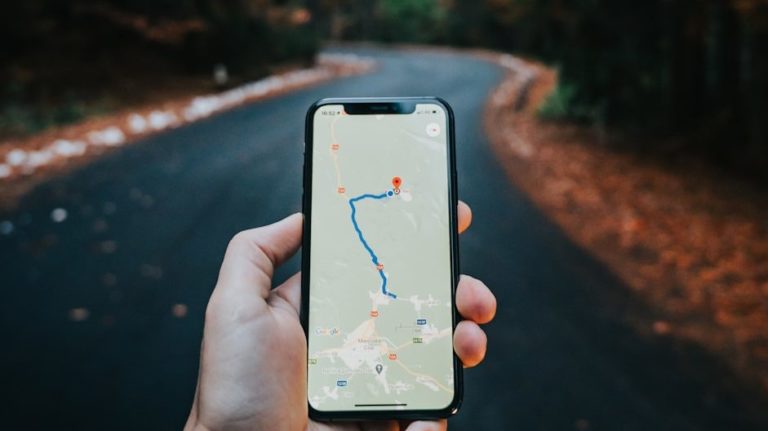
Thessaloniki Airport “Makedonia” (SKG) in Thermi is the main entry point for fly and drive. From here, most routes funnel you towards the Thessaloniki ring road and then out towards Thermi and the Halkidiki road. If you’re collecting a hire car, do a quick set-up before you roll: phone mount, offline map, and your first stop pinned. It sounds basic, but it saves stress at the first multi-lane junction.
If you’re weighing up whether to hire at all, read Do You Really Need a Car in Halkidiki? Honest Pros and Cons in 2026. It’s not always a yes, especially if you’re staying put in one resort.
Coming from the city centre and the ring road
The Thessaloniki ring road is fast and efficient, but it’s also where visitors get flustered. Lanes change quickly, signage comes late, and locals drive with confidence. Give yourself space, stay calm, and don’t do last-second cut-ins. If you miss an exit, take the next one and loop back. It’s usually quicker than forcing it.
For the stuff that catches people out, like speed cameras and what “everyone else is doing” versus what’s legal, see Driving Culture: Rules and Speed Cameras in Halkidiki and Thessaloniki: What Visitors Miss. It’s the difference between a relaxed first day and a tense one.
Coastal warm-up: Perea and Agia Triada
If you’ve got time, the coastal edge out of Thessaloniki via Perea Beach and Agia Triada Beach is a gentle way to start the trip. It’s not the fastest exit, but it’s calmer than the ring road, and it’s handy if you want a coffee by the water before the proper drive south. Parking is usually doable outside peak weekend hours, but it can get busy on sunny Sundays.
Bus stations that matter if you’re mixing driving with public transport
Two useful reference points in Thessaloniki: the KTEL Halkidiki bus station in Pylaia (for routes into Halkidiki) and the Thessaloniki KTEL Intercity Bus Station “Macedonia” near the port (for longer mainland routes). Even if you’re driving, it’s good to know where they are in case someone in your group arrives separately or you plan a one-way return.
The main corridor into Halkidiki: Thessaloniki to Nea Moudania
Most drivers funnel onto the main road south-east towards Nea Moudania. This is the practical gateway town where the road network starts to “feel” like Halkidiki. It’s also where you can sort essentials without paying resort prices: supermarkets, bakeries, pharmacies, and a decent choice of fuel stations.
Nea Moudania is not just a place you pass through. It’s a real working town with a beach front, and in summer it’s busy with Greek families as much as visitors. If you need a reset after the flight, it’s a smart first stop before you commit to Kassandra or Sithonia.
Key junction: Nea Moudania and the “choose your finger” moment
From around Nea Moudania, you’re effectively choosing between:
- Kassandra via the route towards Nea Potidea and the canal crossing.
- Sithonia by continuing on the main axis east and then turning down towards Nikiti and beyond.
- Athos Coast by heading further east towards Ierissos and Ouranoupoli.
In July and August, this is where queues build. Not always huge, but enough that a “quick hop” can turn into a slow crawl, especialy late morning.
Nea Moudania as a transport pivot
Nea Moudania also has the Nea Moudania bus station (KTEL Chalkidiki). If someone wants to avoid driving for a day trip, or you’re meeting friends coming by bus, it’s a handy anchor point. Just remember: buses and seasonal schedules change. Timetables, opening hours and routes can change without notice. Always double-check locally before you travel.
Junction and choke point: Nea Potidea canal into Kassandra
Nea Potidea sits on the narrow isthmus that connects Kassandra to the mainland. The canal bridge is a proper landmark, and it’s also where traffic can stack up in peak season, especially on Saturdays when changeovers happen. If you’re heading to Sani Marina, Kalithea, Hanioti, Pefkochori, or further down towards Nea Skioni, you’ll almost certainly cross here.
What to expect at the canal crossing
- Slowdowns at peak arrival times, even when the road looks clear on the map.
- More aggressive lane behaviour. Keep your lane and don’t get pulled into last-second moves.
- Limited “nice” places to stop right at the bridge. Better to stop before or after, not during the bottleneck.
Quick cultural stop: Ancient Potidaea
Near Nea Potidea you’ll see references to Ancient Potidaea. It’s not a full day out, but it’s a genuinely interesting way to break the drive if you like history and you’re already passing. For background, Wikipedia’s overview is a decent starting point: https://en.wikipedia.org/wiki/Potidaea.
Scenic detour idea: Sani area
If you’re Kassandra-bound and want a more “holiday” feel early on, the turn towards Sani Marina gives you a taste of pine, beaches, and that polished marina scene. It’s not the quickest route to the lower peninsula, but it’s a nice first afternoon if you’re not rushing. Parking around marinas is usually managed, but in August it can still feel tight around peak dinner time.
If you’re thinking of getting out on the water from this side, If you’d like to explore the coast, ask us about day trips at sea and sailing boat options. and you can browse options here: https://yachts.holiday.
Toll roads vs free roads: what’s actually worth it
People ask us this a lot, especially those driving from Athens, Larissa, or Kavala. The honest answer is simple: use toll roads for the long mainland stretch, then go free once you’re in the Halkidiki network unless you have a strong reason not to.
When toll roads make sense
- You’re arriving on a tight timeline, like a late afternoon check-in.
- You’re travelling with kids and you want fewer village slow sections.
- You’re driving in winter or heavy rain and prefer the most predictable road surface.
When free roads can be better
- You want scenic stops and a more relaxed pace.
- You’re travelling outside peak season and time is flexible.
- You’re confident driving through towns and roundabouts without stress.
One practical note: don’t plan your whole day around “saving” a little toll money if it means arriving tired and grumpy. Holiday time is worth more than that, most of the time.
Coastal scenic options: when they’re lovely, and when they’re a pain
Halkidiki has coastal stretches that feel cinematic, especially on clear mornings when the sea is glassy and the light is soft. The downside is that scenic often means slower, with more bends, more local traffic, and more random parking situations near beaches.
Best moments for scenic routing
- May, June, September: lighter traffic, clearer water, less heat in the car.
- Early morning: easier parking at viewpoints and beach pull-ins.
- Midweek in summer: still busy, but less chaotic than weekend changeover days.
When to stick to the main road
- Saturday afternoons in July and August. Just get to your base.
- Stormy days with crosswinds. Some exposed coastal sections feel twitchy.
- When you’re unfamiliar and it’s dark. Signage is fine, but smaller turnings can be missed.
Also, if your sat-nav suggests a “short cut” that cuts through a village and then pops out onto a beach road, treat it with suspicion. Sometimes it’s fine. Sometimes it’s a narrow lane with parked cars and zero joy.
Sea and outdoor activities depend on weather and your own fitness level. Always follow local safety advice and skipper instructions.Key routes by destination: pick the right junction early
Below is how we talk guests through it when they’re standing by the car at SKG with bags in hand and that first-day fog in their head.
If you’re heading to Kassandra (west finger)
Your mental anchor points are Nea Moudania first, then Nea Potidea and the canal crossing. After that, Kassandra is straightforward: a main spine road with turn-offs to beach towns. If you’re staying down the peninsula, like around Nea Skioni, avoid unnecessary detours early. Get over the canal, then settle into the drive.
Nea Skioni itself is a good waypoint for a slower, more traditional seaside feel. It’s not a party hub. Think evening strolls, tavernas, and calm water on the right day. In high summer the roads down Kassandra can feel busy but not terrifying, as long as you leave space and don’t rush overtakes.
If you’re heading to Sithonia (middle finger)
Sithonia rewards drivers who like beaches and little coves, but it asks more of you behind the wheel. The main junction choice is still around Nea Moudania, but instead of turning for the canal you continue towards the east side and then down towards Nikiti and the peninsula interior. Roads are generally fine, just more bends, more elevation changes, and more “slow vehicle ahead” moments.
In summer, Sithonia’s beach access points can create sudden braking zones. People spot turquoise water and stop thinking. Keep your distance and expect surprises near popular beach turn-offs.
If you’re heading to the Athos Coast and Ouranoupoli (east side)
For Ouranoupoli, you’ll keep heading east beyond the main peninsula split and follow the route towards Ierissos and then down to the gateway village. Ouranoupoli is the practical base for Mount Athos boat cruises and ferry connections. It also feels different from Kassandra, less resort strip, more “edge of something historic”.
If you’re planning any kind of cruise along the Athos coastline, do it on a calmer day if you can. The sea state matters, and the experience is much nicer when visibility is good and the boat isn’t bouncing.
Useful map embeds for planning your junctions
If you’re mapping a route that includes Nea Moudania, Nea Potidea, Sani, and then either the Sithonia turn or the Athos Coast direction, it helps to look at the whole shape first rather than zooming in too early.
[halkidiki_map]
[kassandra_map]
[sithonia_map]
[athos_coast_map]
Traffic reality: what slows you down most
It’s rarely the distance. It’s the pinch points and the human behaviour around them.
- Weekend changeovers: Saturday late morning to early evening is the classic slow period into Kassandra.
- Roundabouts near towns: Nea Moudania area can bunch up, especially with summer visitors hesitating.
- Beach access roads: sudden stops, people turning without much warning.
- Evening arrivals: headlights, fatigue, and more local traffic heading to dinner.
Live traffic checks
If you’re driving in peak season, a quick live check before you leave Thessaloniki can save you a lot of frustration. We also use traffic overlays ourselves when planning transfers and day routes with guests.
[random_authority_text]
Practical stops and waypoints that actually help
Last easy beach stop before you commit
If you didn’t get your sea fix in Thessaloniki, the Perea and Agia Triada seafronts are a simple pre-Halkidiki pause. It’s not Halkidiki scenery, but it’s a proper coastline moment and a decent way to shake off the travel stiffness.
Fuel and supplies
Fill up on the outskirts of Thessaloniki or around Nea Moudania if you can. On-peninsula fuel is fine, just more variable with queues in August. Keep water in the car, especially with kids. Heat in July and August is no joke, and a “quick stop” can turn into a longer wait than you expected.
Marinas and ports if you’re mixing driving with the sea
Aretsou Marina in Kalamaria is a nice Thessaloniki reference point if you’re spending a night in the city before heading down. In Halkidiki, Sani Marina is the obvious Kassandra option for a polished marina setting and boat day vibes.
If you want to add a relaxed dive day to a driving holiday, have a look at https://portoscuba.com for local diving info and conditions. Always check weather and sea state before committing. Sea and outdoor activities depend on weather and your own fitness level. Always follow local safety advice and skipper instructions.
Choosing the “right” route: honest scenarios
You land at SKG at lunchtime in August, staying in Kassandra
- Go direct towards Nea Moudania, then Nea Potidea.
- Avoid cute scenic detours until you’ve checked in.
- Expect slowdowns near the canal and be patient.
You’re driving from mainland Greece with a flexible schedule, staying in Sithonia
- Use toll roads for the long haul, then slow down once you hit Halkidiki.
- Plan one proper stop around Nea Moudania for supplies.
- Don’t chase tiny time savings via village cut-throughs.
You want a Thessaloniki plus Halkidiki combo
Do one or two nights in Thessaloniki first, then drive out early morning when the city is calm and the ring road is less intense. It makes the whole start feel smoother. We wrote a practical planner here: How to Combine Halkidiki with a Short Stay in Thessaloniki.
Little driving tips locals wish visitors knew
- On multi-lane approaches, pick a lane early and stick to it. Last-second changes cause most near-misses.
- Keep coins or a card ready for tolls if you’re coming from further afield. Don’t wait until you’re at the booth to rummage.
- Expect motorbikes in Thessaloniki to filter. Check mirrors before turning or changing lanes.
- In summer, aim to arrive at your accommodation before the hottest part of the day if you can. Less stress, less overheating, fewer tempers.
- If you’re unsure at a junction, take the safer option and loop back. Pride is expensive on Greek roads.
Need help matching your route to your base?
If you tell us where you’re staying and roughly when you arrive, we can suggest the cleanest junction choices and whether a coastal stretch is worth it that day. Not sure where to start? Contact our local travel agency for friendly, personalised advice, seasonal offers and travel options.
And if you’re still deciding whether you even want to be behind the wheel for the whole trip, start here: Do You Really Need a Car in Halkidiki? Honest Pros and Cons in 2026.
Want the full picture? Read our in-depth Halkidiki travel guide before you book.