Why Halkidiki drives take longer than the map suggests
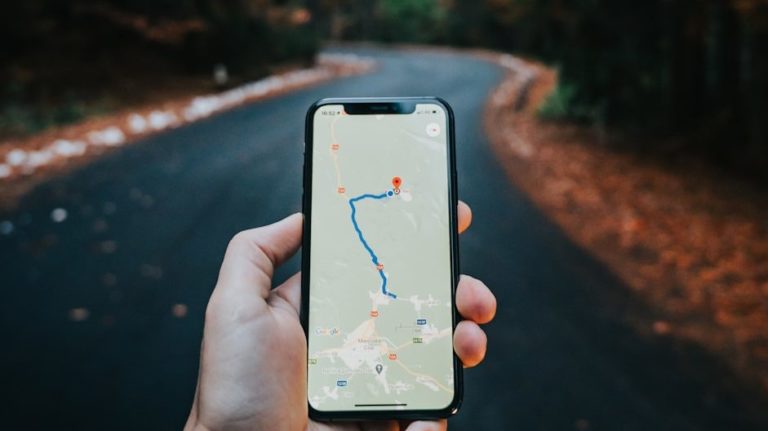
If you have ever looked at Halkidiki on Google Maps and thought, “That’s only a short hop”, you are not alone. On the ground, our three-finger peninsula shape, village traffic, bends, and summer bottlenecks can turn a small distance into a proper journey.
We have been working in Halkidiki and Thessaloniki tourism for more than 20 years at Halkidiki.info – travel guide for Sithonia, Kassandra & Mount Athos, and we still plan routes the same way every time: by road type and time of day, not kilometres. A lot of visitors misjudge this bit, then end up rushing beaches, dinner plans, or check-ins.
Where Halkidiki actually is and why the geography tricks you
Halkidiki sits just south-east of Thessaloniki, with the mainland area (around Nea Moudania and Poligiros) feeding into Kassandra (west finger), Sithonia (middle finger), and the Athos Coast (east side, with access points like Ouranoupoli).
On a map, peninsulas look like direct lines. In reality, you often have to drive back to a main spine road, go around bays, pass through villages, and follow the coast. Add hills inland and you get lots of bends, especially once you leave the big junctions.
The biggest misjudge: village traffic is the real “distance”
In summer, you can lose more time crossing one busy village than you do on a long open stretch. Places like Nea Potidea (the narrow isthmus into Kassandra) are classic pinch points. One roundabout, one set of lights, a bit of port traffic, and suddenly your “quick run” becomes stop-start driving.
It is not only the obvious gateways. Nikiti and Neos Marmaras in Sithonia have lively centres, lots of turning traffic for supermarkets and beach roads, and plenty of pedestrians. You might crawl for 10 minutes, then accelerate for 2, then crawl again. It feels longer because it is.
Village situations that slow you down more than you expect
- Single main road through the centre, with parked cars and deliveries.
- People stopping suddenly for bakeries, kiosks, and beach turn-offs.
- Evening “promenade time” when everyone crosses the road slowly, especially in Nikiti and Neos Marmaras.
- Weekend changeover traffic near resort areas, particularly on Kassandra around Afitos and Pefkohori.
One small but important habit: assume that any village name you recognise is a potential delay point. If you plan dinner reservations, boat trips, or sunset viewpoints, build time around the villages, not between them.
Bends, gradients, and why inland roads feel slow
Halkidiki is not flat once you move away from the beaches. The inland routes around Poligiros are greener and cooler, but also windier. That means more bends, more changes in visibility, and fewer safe overtaking chances. Your average speed drops without you noticing.
Visitors often say, “But it’s only 35 kilometres”. Yes, but it can be 35 kilometres of bends, tractors, and short straights. And if you get stuck behind a cautious driver, you are doing their pace for a while. It’s normal, not a drama, just plan for it.
Common “slow-feeling” stretches we see every season
- Routes that cut across from the mainland (around Poligiros) towards the Sithonia side.
- Approaches into Neos Marmaras where the road tightens and traffic stacks at junctions.
- Coastal roads with frequent beach entrances, where cars brake constantly for turning vehicles.
If you get travel-sick on bends, sit in the front, keep water handy, and avoid reading your phone. Sounds obvious, but we see families caught out by this every year, especally with kids.
Summer delays: when “peak season” becomes “peak minutes”
From late June to early September, the delays are less about road quality and more about volume. Saturday and Sunday are the big ones, plus late afternoons when everyone leaves the beach at the same time. You will notice it most on the main approaches to Kassandra and on the Sithonia coastal corridor around Nikiti.
Also, beach parking spills onto roads. Cars slow down to look for a space, then stop, then reverse. That ripple effect can back up traffic surprisingly far, even when there is no accident.
Practical timing tips that actually work
- Do longer transfers early in the morning, before beach traffic builds.
- Avoid starting a cross-peninsula drive at 17:30 to 20:30 in July and August if you can.
- If you must travel at peak time, plan one proper stop (coffee, toilet, stretch) so the delay feels less annoying.
- Keep your last 5 kilometres flexible. That is where the unexpected queue usually is.
If you are deciding whether to rent a car at all, our honest take is here: Do You Really Need a Car in Halkidiki? Honest Pros and Cons in 2026. Sometimes the best “road conditions” hack is simply not driving every day.
Safe speeds: what visitors often get wrong
The biggest mistake we see is trying to “make up time”. Roads are generally fine, but they are not motorways once you are off the main arteries. The safe speed is often lower than what the sign suggests because of bends, junctions, and people stepping out near beaches.
Also, local driving can look confident. That does not mean you should copy it. Drive at a pace that lets you stop for a surprise scooter, a dog, or a car pulling out from a beach track. Sea and outdoor activities depend on weather and your own fitness level. Always follow local safety advice and skipper instructions.
How to choose a safe pace without overthinking it
- On bends, drive for visibility, not for the car behind you.
- Leave extra distance in summer because braking chains happen constantly.
- Expect sudden stops near beach entrances and supermarket turn-offs.
- If you are unsure at night, slow down more than you think you need.
Speed cameras and enforcement can catch visitors off guard, especially around bigger roads and key junctions. If you want the practical version, not the scare-story version, read: Driving Culture: Rules and Speed Cameras in Halkidiki and Thessaloniki: What Visitors Miss.
Night driving notes: doable, but different
Night driving in Halkidiki is fine for confident drivers, but it feels different from the UK for a few reasons. Outside villages, lighting can be limited. Some roads have reflective markers, some do not. Add bends and you can feel like the road disappears into the dark.
In summer, you also get tired drivers heading back late from beach bars and dinners. And you may meet the occasional animal on the road, especially on quieter inland stretches. Take it steady and keep your focus on the next visible section, not the whole route.
Simple night-driving habits we recommend
- Clean your windscreen properly before you set off. Salt and dust glare is real.
- Avoid rushing to “catch” a sunset viewpoint if it means driving unfamiliar roads in fading light.
- If you are arriving late, choose accommodation with easy parking and clear access.
- Keep fuel topped up. Stations are not evenly spaced in quieter areas.
If you are landing at Thessaloniki Airport “Makedonia” (SKG) and driving straight down, consider whether you want that first drive to be at night. It is not dangerous by default, it just takes more concentration than people expect after a flight.
Real-world route examples: why short distances stretch out
Let’s put this into familiar names. Many visitors pass through Nea Moudania as the gateway into Halkidiki, then choose either Kassandra or Sithonia. The kilometres from Nea Moudania to Nea Potidea can look small, but in July and August the approach can queue, especially at busy changeover times.
Then you continue down Kassandra towards Afitos or Pefkohori. Again, not huge distances, but the road has frequent junctions, turning traffic, and village slow zones. If you plan beach hopping plus dinner, it adds up quickly.
On Sithonia, a common plan is Nikiti as a base with days out to Neos Marmaras. The drive is scenic and easy enough, but it has bends, local traffic, and those classic slowdowns as you enter towns. It can feel like you have driven “far” even if the map says otherwise.
For the main junction logic and which coastal roads tend to be easiest, this guide helps: From Thessaloniki and Mainland Greece to Halkidiki: Key Junctions and Coastal Roads.
[halkidiki_map]
Parking and “last kilometre” chaos
Another reason distances feel longer is the last kilometre to the beach. You arrive on time, then you circle for parking, then you walk further than expected. In peak season, this can easily add 20 minutes to what you thought was a simple transfer.
Kassandra and Sithonia both have hotspots where parking pressure is part of the experience. If you are staying near busy areas, it is worth learning the local pattern of when people arrive and leave. And do not block driveways or junction corners, even if others do it. Fines and towing are not fun on holiday.
We have a dedicated, practical read on this here: Where to Park in Kassandra and Sithonia Without Getting Stuck or Fined.
Bus and transfer reality: it is not just “public transport is slower”
If you are not driving, distances can still surprise you because bus routes follow the same village logic. Most services run through key hubs and towns, not straight lines between beaches. That means a journey can be efficient, but not direct.
The KTEL Halkidiki Bus Station in Thessaloniki is the main starting point for many routes. If you are planning to connect from the airport, factor in city traffic too. And always double-check seasonal schedules close to travel dates. Timetables, opening hours and routes can change without notice. Always double-check locally before you travel.
For official info, start with KTEL Chalkidikis and for regional travel planning basics, the Greek National Tourism Organisation site is a solid reference.
Road surface and conditions: what to expect (honestly)
Main roads between major points are generally in decent condition. The more “holiday” your destination, the more you will use smaller access roads for beaches, viewpoints, and villas. Those can be narrower, sometimes with rougher edges, and occasionally with potholes after winter.
In rural areas, you will meet slow farm vehicles. On the Athos Coast side, routes towards Ouranoupoli and Nea Roda can feel longer because they are less direct and you pass through quieter stretches with fewer places to stop. That calm is lovely, but it changes how you pace your day.
What we tell friends visiting for the first time
- Do not plan to “do” Kassandra and Sithonia properly in one day. Pick one area and enjoy it.
- Leave breathing space between beach time and dinner time.
- Keep one simple beach day near your base, especially if you have kids.
- If you want a multi-stop day, start early and keep the route compact.
For a quick check on official road and regional info, you can also look at the Regional Unit of Halkidiki site. It is not a live traffic tool, but it is an authoritative source for the area.
[random_authority_text]
Live traffic and when to use it
We use live traffic when we know the pinch points will bite. Not for every drive, just for the key moments like heading into Kassandra via Nea Potidea on a summer weekend, or crossing through busy town centres at peak dinner time.
Here is a live view that can help you sense the flow before you set off:
Choosing the right base so you drive less
If you want your holiday to feel relaxed, choose a base that matches your priorities. Kassandra is often easier for shorter breaks and nightlife, but it can have heavier summer congestion. Sithonia feels more nature-led and scenic, but distances between coves and villages can be deceptively time-consuming because of the bends and beach access roads.
If you are planning the Athos Coast, staying closer to Ouranoupoli reduces early-morning stress for boat departures and avoids long return drives late at night. If you want help matching your plan to a realistic base, send us a note at Not sure where to start? Contact our local travel agency for friendly, personalised advice, seasonal offers and travel options.. We can usually spot the “ambitious day trip” issue in two minutes.
Boat days: the best way to skip the bends
If your main goal is coves, clear water, and seeing more coastline without the constant stop-start driving, a boat day can be the easiest win. You trade road time for sea time, and in midsummer that feels like a gift.
Have a look at sailing options here: If you’d like to explore the coast, ask us about day trips at sea and sailing boat options. . If you are curious about diving too, PADI centres and local operators can give you realistic conditions and seasonal visibility. One reputable starting point is portoscuba.com.
Seasonal feel: how road time changes through the year
May and early June are some of our favourite weeks to drive. Roads are calmer, parking is easier, and you can be more spontaneous. September is similar, with warm sea and a softer pace, though weekends can still be busy.
July and August are the months where every small delay stacks. The heat also changes how driving feels. A 45-minute drive in strong sun can feel longer than it is, especially after a beach day. Keep water in the car, take breaks, and do not push on if you are tired. Sea and outdoor activities depend on weather and your own fitness level. Always follow local safety advice and skipper instructions.
For weather patterns and wind, the National Observatory of Athens meteo.gr is a reliable Greek source to check before longer drives, especially if you are heading out early or returning late.
Who this matters most for
- Families: the “last kilometre” and parking time can wreck nap schedules fast.
- Couples: sunset plans and dinner bookings need buffer time, especially in peak season.
- Older travellers: bends and night driving can be tiring. Choose a base with easy access to what you love.
- Groups: agree on one main beach area per day. Too many opinions equals too many transfers.
- Nature lovers: you will enjoy inland routes more if you treat them as scenic drives, not commutes.
If you want more practical planning help across regions, beaches, and realistic day-trip ideas, keep this open: Want the full picture? Read our in-depth Halkidiki travel guide before you book.