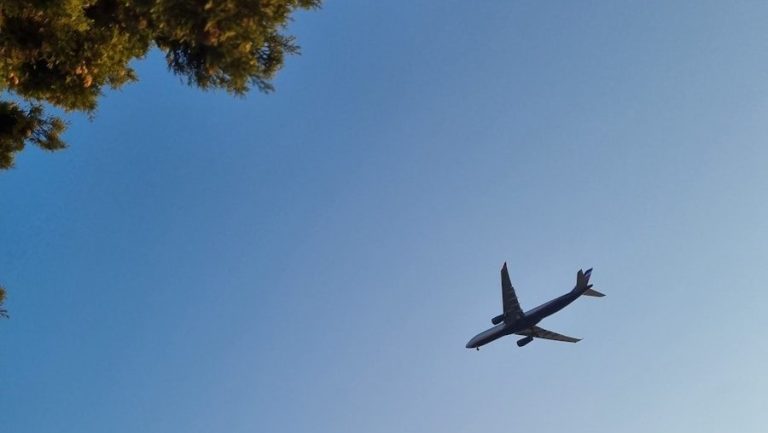
Baltic to beach: why your hub choice matters
Coming from Riga, Vilnius or Tallinn, the big decision is not “can I get to Halkidiki?” It is “which hub makes the last leg easy, with the least faff and the most sleep”. After 20+ years helping visitors land smoothly in Thessaloniki and reach the peninsulas, we’ve seen the same pinch points again and again, and most of them are avoidable.
Think of Thessaloniki as your gateway city and Halkidiki as the final stretch. Once you plan that last stretch properly, the whole trip feels simpler, even if you have one extra connection up north.
Where Halkidiki is, and what “arrival” really means
Halkidiki sits southeast of Thessaloniki in Northern Greece, a three-pronged peninsula region. Kassandra is usually the quickest for first-timers, Sithonia is greener and more road-trip friendly, and the Athos Coast is quieter, with Ouranoupoli as the main gateway village for Mount Athos boat trips.
Your practical “arrival points” are not beaches. They are transport nodes: Thessaloniki Airport “Makedonia” (SKG) in Thermi, Thessaloniki Train Station, and the Thessaloniki KTEL Intercity Bus Station “Macedonia” in the port area. From any of those, you then continue to places like Nea Moudania (mainland hub), Neos Marmaras (Sithonia), or Ouranoupoli (Athos Coast).
Best hub options from Riga, Vilnius and Tallinn
Hub 1: Thessaloniki (SKG) as your main gateway
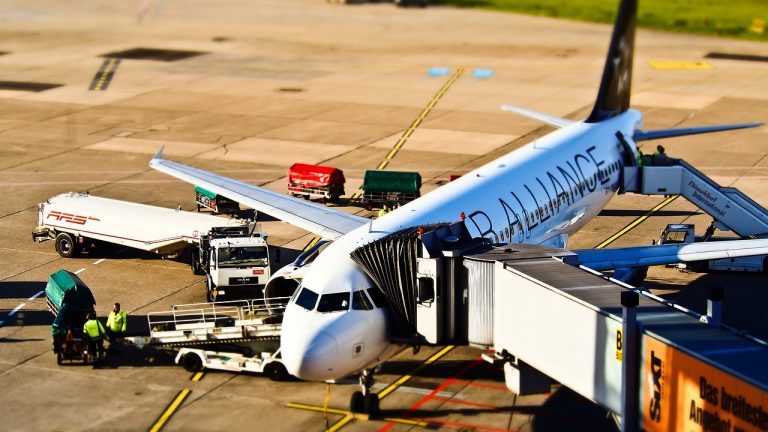
If you can route flights into Thessaloniki Airport “Makedonia” (SKG), do it. It is the closest major airport to Halkidiki, and it keeps your ground travel short and predictable. For many travellers, this is the difference between arriving fresh and arriving a bit broken.
- Pros: shortest onward transfer, best for families and anyone landing late.
- Cons: fewer flight options on some dates, and summer peaks can mean busy arrivals.
Official airport info is at skg-airport.gr if you want to double-check facilities and live updates.
Hub 2: Athens (ATH) then domestic hop or overnight
Athens can work well if it gives you a cleaner connection from the Baltics, especially outside peak summer. The trade-off is extra time and an extra airport step. If you land in Athens late, an overnight near the airport is often kinder than forcing a tight same-day connection.
- Best for: travellers prioritising flight availability and luggage allowances.
- Less ideal for: anyone who hates airport-to-airport transfers and long travel days.
Hub 3: Sofia (SOF) for road travellers
If you are considering a fly-and-drive, or you’re already on a longer European road trip, Sofia is a realistic entry point. From there you cross into Greece and head towards Thessaloniki and Halkidiki. This is popular with groups who want flexibility and are happy to drive.
For the practical border and fuel-stop thinking, use our detailed guide: Driving from Bulgaria to Halkidiki: Main Routes, Borders and Fuel Stops.
Hub 4: Bucharest and the Romanian corridor (for epic road itineraries)
Some Baltic travellers combine the trip with Romania and Bulgaria, especially if they are doing a longer summer loop. It is doable, but you need to be honest about driver fatigue and the fact that “just one more country” adds hours.
This is the route-planning piece we keep updated: Romania to Halkidiki by Car in 2026: Road Conditions and Border Crossings.
Hub 5: Belgrade and the Serbia corridor (another common driving line)
Belgrade is a frequent waypoint for those driving down through the Balkans. The motorway sections are straightforward, but the best choice depends on your tolerance for long days versus scenic breaks.
Use this to choose sensibly: Serbia to Halkidiki Road Journey: Choosing Between Fast and Scenic Options.
Daytime vs overnight itineraries: how to choose like a local
When a daytime itinerary works best
Daytime connections are great when you land in Thessaloniki by early afternoon and your accommodation is on the mainland or the first half of Kassandra. You’ll arrive with daylight for easier driving and check-in, and you can stop for supplies without stress.
- Good for: Kassandra stays, Nea Moudania area bases, short-break travellers.
- Watch-outs: summer traffic leaving Thessaloniki can be slow, and beach-town roads get busy near check-in time.
When an overnight stop is the smarter move
If you land late, or your final base is deeper in Sithonia or towards the Athos Coast, an overnight in Thessaloniki can turn a messy arrival into a nice start. You get a proper meal, a walk, and you travel onward in the morning when you can actually see the coastline.
It also helps if you have kids, older parents, or heavy luggage. Dragging suitcases through multiple connections at 11 pm is not a heroic story. It is just tiring, and it tends to go wrong when one flight is delayed.
Three sample plans (layover-friendly and realistic)
Plan A: “Land and go” to Kassandra or Nea Moudania
Best when you arrive at SKG in the daytime. Pick up a car or arrange a transfer and head towards Nea Moudania first. It is a practical mainland hub for supplies, a first meal, and a calmer check-in if you’re not rushing to a resort village.
- Why it works: short onward travel, easy to adjust if your flight is late.
- Best for: families, first-time visitors, anyone staying on Kassandra.
Plan B: Thessaloniki evening, Halkidiki morning (the low-stress favourite)
Arrive in Thessaloniki, drop bags, then take a simple city walk. Aristotelous Square is an easy starting point, and the seafront is ideal if you just want fresh air after a travel day. Next morning, head out towards Halkidiki with coffee in hand and daylight on your side.
If you have a few hours, the Archaeological Museum of Thessaloniki is genuinely worth it. Not huge, not overwhelming, and it gives you context for what you’ll see around the region.
Plan C: Thessaloniki plus Sithonia base (Neos Marmaras as a practical anchor)
Sithonia rewards a bit of planning. Roads are beautiful but slower, and you’ll want daylight if you’re not used to Greek summer driving. Neos Marmaras is a lively base with plenty of food options and good access to beaches around the middle of the peninsula.
From there, you can easily factor in a marina day at Porto Carras Marina, even if you are not a sailor. If you do fancy getting on the water, have a look at yachts.holiday for ideas on what a proper day out can look like in this area: yachts.holiday. If you’d like to explore the coast, ask us about day trips at sea and sailing boat options.
Onward travel from Thessaloniki: airport, train station, KTEL and car
Thessaloniki Airport “Makedonia” (SKG): quickest start
SKG is in Thermi, southeast of the city. From here, most travellers either collect a rental car or book a transfer. If you’re heading to Kassandra or mainland Halkidiki, the drive is usually straightforward. Sithonia and the Athos Coast take longer, and you feel it more after a late flight.
Tip: if you land in the evening, eat before you leave the airport area or in Thessaloniki. Once you are deeper into Halkidiki, options depend on the village and the season.
Thessaloniki KTEL Intercity Bus Station “Macedonia”: budget-friendly, but plan connections
The KTEL station in the port area is the main intercity bus hub for Halkidiki routes. It can be a good choice if you’re travelling light and you don’t want to drive. Just remember you may need a taxi or local bus to reach your final beach area from the main drop-off points. Timetables, opening hours and routes can change without notice. Always double-check locally before you travel.
- Best for: solo travellers, couples with one suitcase each.
- Less ideal for: families with buggies, groups with sports gear.
Thessaloniki Train Station: useful for Greece connections, not a direct Halkidiki solution
The train station is handy if your trip includes other Greek cities, but it does not take you into Halkidiki itself. Treat it as a Thessaloniki node. From there you connect onward by bus, car, or transfer.
Driving out of Thessaloniki: key junctions and what surprises people
Most first-time drivers underestimate the “getting out of the city” stage. It is not hard, it is just busy at certain hours and summer weekends. If you want the exact junction logic and the coastal road options, this guide will save you time: From Thessaloniki and Mainland Greece to Halkidiki: Key Junctions and Coastal Roads.
[halkidiki_map]
Luggage, connections and the small mistakes we see all the time
Checked baggage and tight connections
If you are connecting via a big hub, give yourself a buffer. Checked baggage is the first thing to break your plan when the first flight is late. In summer, airports are busy and baggage belts can be slow. People assume it will be fine, then they miss the last realistic onward option and end up paying for a hotel they did not want.
- With checked bags, avoid super-short layovers.
- If you must do it, keep essentials in hand luggage: swim stuff, chargers, a clean top, meds.
- For families, pack one “survival kit” bag with snacks and wipes. It sounds silly until you need it.
Sports gear and beach kit
Diving masks, fins, fishing kit, even a big beach umbrella. It all adds up. If you are bringing bulky items, a car transfer becomes more attractive than a bus. Also check your airline rules carefully because they change, and not always in your favour.
If you plan to dive once you’re here, take a look at portoscuba.com for a feel of local diving logistics and what to expect in Halkidiki waters.
Document and money basics (boring, but saves your day)
- Keep passports and booking confirmations in one place, not spread across bags.
- Have a backup card and some cash for small purchases and taxis.
- If you are driving cross-border, keep your driving licence and rental paperwork easy to reach.
Seasonal feel: what changes for Baltic travellers across the year
Late spring to early summer (May to mid-June)
This is the sweet spot for many travellers from the Baltics. Days are warm, the light is gorgeous, and the roads are calmer. The sea is warming up and water clarity is often very good, especially on calmer mornings. Evenings can still feel cool after sunset, so pack a light layer. You might have one day that feels a bit breezy and then it flips back to beach weather, typcial.
Peak summer (late June to August)
Busy. Fun, lively, and sometimes chaotic. Expect more traffic leaving Thessaloniki on weekends and slower parking situations in popular beach areas. If you’re doing a late arrival, consider sleeping in Thessaloniki and driving out early. The heat also makes long drives feel longer, so plan water stops and don’t push tired drivers. Sea and outdoor activities depend on weather and your own fitness level. Always follow local safety advice and skipper instructions.
September to early October
Our local favourite for couples and anyone who wants the sea without the noise. The water is usually at its warmest, the light is softer, and you can get more spontaneous with beach-hopping. Some seasonal businesses start winding down later in the period, so check ahead if a specific beach bar or boat trip matters to you.
What to do once you arrive (quick, practical picks)
Easy first-day ideas that don’t require overplanning
- Settle in, then do a short sunset walk near your base village.
- Choose one beach close by for your first swim. Save the long beach-hopping for day two.
- Book one on-the-water day if you are staying in Sithonia, especially around Neos Marmaras and its marina options. If you’d like to explore the coast, ask us about day trips at sea and sailing boat options.
Culture stop that fits a layover
If you overnight in Thessaloniki, keep it simple. Aristotelous Square and the waterfront are easy. Add the Archaeological Museum if you want one solid cultural hit without rushing. For official city context, the municipality site is useful for practical info and events: thessaloniki.gr.
Athos Coast: Ouranoupoli and the boat-view experience
Ouranoupoli is the gateway village for seeing the Mount Athos monastic state from the sea. Even if you are not doing anything religious, the coastline here feels different. Quieter, more contemplative. It suits travellers who want a calmer base and a more scenic day on the water.
Who this route suits (and who should rethink it)
Best match
- Families who choose SKG and keep the last leg short.
- Couples planning a Thessaloniki overnight and a slower start.
- Groups doing a Balkan road trip and sharing driving.
- Nature lovers who base in Sithonia and accept slower roads for better scenery.
Rethink if
- You hate connections and are tempted by a super-tight itinerary with checked luggage.
- You plan to land late and drive deep into Sithonia or to Ouranoupoli the same night.
- You are counting on “quick bus links” to a small beach area with lots of bags.
Local connection tips that make the whole trip smoother
[random_authority_text]
- Choose your first-night base based on daylight, not excitement. Nea Moudania is practical. Thessaloniki is comfortable. Deep Sithonia at midnight is rarely a win.
- Build your plan around one reliable hub. For most Baltic travellers, that is Thessaloniki and SKG.
- Don’t over-pack your first day. Travel always takes longer than it looks on a map.
- If you are mixing modes, keep it simple. Flight plus bus plus taxi plus ferry style days can work, but only with light luggage and patience.
If you want us to sanity-check your hub choice and the onward leg to your exact village, send the basics and we’ll point you in the right direction. Not sure where to start? Contact our local travel agency for friendly, personalised advice, seasonal offers and travel options.
Activities planning without locking yourself in
Once your transport is sorted, you can keep the fun parts flexible. If you want a quick browse of options that work well across the region, use this and then decide based on weather and energy levels:
[ticketinhub_list_all]
For deeper planning across the peninsulas, our main guide is the easiest place to start. Want the full picture? Read our in-depth Halkidiki travel guide before you book.