
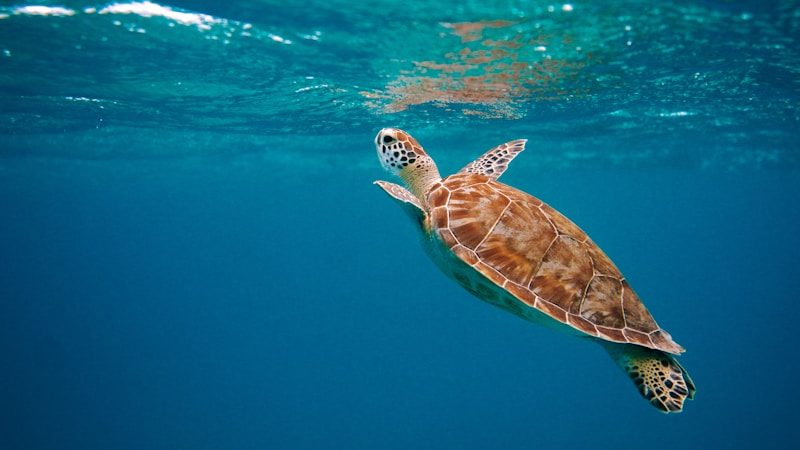
Where and when you’re most likely to see sea turtles, dolphins, foxes and birds in Halkidiki
Halkidiki is better known for its beaches than its wildlife, but if you know where to look – and when – you can quietly share the coast with sea turtles, pods of dolphins, curious foxes and a surprising variety of birds. After more than 20 years exploring these bays and hills as local tourism professionals, we’ve learnt which areas really deliver sightings, and which are better left to the postcards.
This guide focuses on realistic expectations, the best months, and how to watch animals respectfully so they remain wild and you leave with good memories – and no guilty conscience.
Understanding Halkidiki’s wild side before you go
Halkidiki sits south-east of Thessaloniki, stretching into the Aegean with its three peninsulas: Kassandra to the west, Sithonia in the middle, and the Athos coast to the east. Between them you’ll find shallow sandy bays, rocky capes, pine forest, vineyards, lagoons and offshore islets – a mix that attracts everything from loggerhead sea turtles and dolphins to foxes, herons and birds of prey.
If you’re keen on forests, quiet coves and more secret spots, it’s worth pairing this guide with our nature-focused overview in Halkidiki for Nature Lovers: Forests, Mountains and Quiet Bays, which goes deeper into inland walks and remote bays.
Best time of year for wildlife in Halkidiki
There is wildlife all year round, but your chances of actually seeing it change with the seasons.
- April – early June: Excellent for birds, foxes and first sea turtle sightings. The sea is cooler but usually very clear, there are fewer boats, and the light is perfect for spotting movement on the water.
- Mid-June – August: Peak tourist season and warmest sea. You can still see turtles and dolphins, especially early morning or near quieter stretches, but noise and boat traffic push animals further out. Birds are more active at sunrise and sunset.
- September – October: Our favourite period for wildlife. The sea is warm and clear, crowds thin out, and many species are still very active. You’ll have calmer conditions for boat trips and peaceful evenings for listening to owls and watching foxes.
- November – March: Quiet, with more changeable weather. Good for certain migratory birds and for feeling the wild side of Halkidiki, but many tourist services shut, and sea-based activities are reduced.
Whenever you visit, remember that animals move on their own schedule. Some days you may see nothing, other days you’ll feel surrounded. That unpredictability is part of truly wild experiences.
Respectful wildlife watching: simple rules that matter
After years on the water and in the hills, we’ve seen the difference between careful watching and careless behaviour. The basics are simple but powerful:
- Keep your distance: Use binoculars or a zoom lens. If an animal changes direction or behaviour because of you, you’re too close.
- No feeding, ever: This is especially important with foxes around villages and birds on the beach. Feeding leads to aggression, disease and road deaths.
- Stay quiet and move slowly: Sudden movements, shouting or engines revving will send most animals away – or stress them if they can’t leave.
- Leave no trace: Rubbish, cigarette butts and plastic bags end up in stomachs and nests. Take it all with you.
- Use red or dimmed light at night: For turtle nesting areas or fox watching, strong white lights and camera flashes can be very disturbing.
Sea and outdoor activities depend on weather and your own fitness level. Always follow local safety advice and skipper instructions. applies here too: the sea, cliffs and roads around wildlife areas require normal common sense – don’t push close for a photo if it means taking risks.
[halkidiki_map]
Sea turtles in Halkidiki: where visitors actually see them
Loggerhead sea turtles (Caretta caretta) are the species you’re most likely to encounter in Halkidiki. They are not everywhere, and they are not performing for us – but with patience, you have a fair chance in certain bays and channels.
Typical sea turtle habitats around Halkidiki
From what we’ve observed over the years, plus what local fishermen quietly tell us, turtles favour:
- Sandy bays with seagrass meadows: Calm, food-rich areas where they can feed and rest.
- Channels with steady current: Particularly near straits and capes, where food is carried past them.
- Quieter morning waters: We most often see them in the early hours before jet skis and speedboats start.
For more background on the marine life you may share the water with – including sea urchins and jellyfish – our Guide to Sea Urchins Jellyfish and Other Sea Animals in Halkidiki is a useful companion.
Sea turtle hotspots: coasts and villages
Nea Potidea and the Kassandra canal
The narrow channel at Nea Potidea (western side of Halkidiki) connects the Thermaic Gulf with the Toroneos Gulf. The currents here carry food, and over the years we’ve seen turtles surfacing in the calmer parts of the canal and just outside it, especially:
- Early morning, when fishing boats are returning.
- On still days with little wind, when the surface is like glass.
Walk along the waterfront or stand quietly near the bridge and scan the water for a small brown “rock” rising and sinking – that’s often a turtle coming up for air.
Afitos and Possidi: Kassandra’s open beaches
Along the east coast of Kassandra, particularly near Afitos Beach and the long spit of Possidi Beach, turtles occasionally pass by the deeper blue sections just beyond the swimmers.
- How to look: Stand on higher ground (the clifftop by Afitos, or the dunes at Possidi) and scan the sea for a small head breaking the surface.
- Best time: Calm mornings or late afternoons in late spring to early autumn.
These are not nesting beaches like the famous ones in Zakynthos, so don’t expect marked nests, but you are sharing the same waters as migrating turtles.
Sithonia’s turtle-friendly bays
Sithonia’s mix of rocky coves and sandy bottoms makes it a quiet haven for marine wildlife. Over many summers we’ve had the most consistent turtle sightings around:
- Neos Marmaras area: Particularly on boat trips heading towards Azapiko and the quieter southern beaches, where the water is deep, clear and relatively undisturbed early in the day.
- Lagomandra Beach: Off the outer edge of the swimming zone, especially when the sea is calm and visibility is excellent.
- Vourvourou bay and islets: Among the seagrass meadows and channels between the small islands, where turtles sometimes surface between snorkellers and kayaks.
- Toroni Bay: In deeper parts of the bay and around the edges of the ancient harbour area, particularly early morning.
In these places your best chance is from a small boat, kayak or SUP, moving slowly and quietly. If you’re planning to explore the nearby islets such as Diaporos or Ammouliani, our island overview Halkidiki Island A 2026 Guide to Kelyfos Ammouliani Drenia Diaporos and the hidden Islets will help you choose routes with more nature and less noise.
Ammouliani and the Athos coast
The waters around Ammouliani island and between Ouranoupoli and Mount Athos are rich, with plenty of fish and relatively strict controls on fishing and boating near the monastic state. We’ve seen turtles here both from ferries and from smaller boats heading to the Drenia islets.
If you’re joining a Mount Athos boat trip mainly for the monasteries, keep your eyes on the surface as well – turtles sometimes appear in the wake, though dolphins are more common in this area. Our Mount Athos Boat Trip Guide explains what you’ll see along this coast and how to enjoy the sea side of the experience, not only the religious landmarks.
Best months and viewing tips for sea turtles
- Best months: Late May to October, with particularly good chances in June, September and early October when the water is warm but the sea is quieter.
- Best time of day: Sunrise to mid-morning and just before sunset.
- Best conditions: Low wind, flat sea, good light (sun behind you if possible).
- How to behave: Stay at least several metres away with engines at idle or off; never chase or try to touch a turtle.
For broader information about sea turtles in Greece, including conservation work, the official site of ARCHELON, the Sea Turtle Protection Society of Greece is a reliable source.
Dolphins in Halkidiki: where we most often see pods
Dolphins are the animals our guests talk about most when they get lucky on the water. They are not guaranteed, but if you spend enough time at sea in the right areas, you stand a fair chance of seeing them in the distance – and sometimes very close.
Typical dolphin areas and behaviour
Dolphins in the northern Aegean tend to follow:
- Deeper channels and drop-offs: Edges of gulfs and around islands where fish school.
- Fishing boats: They sometimes trail behind trawlers or longliners, picking up easy meals.
- Calm, early mornings: When the sea is smooth, you can spot dorsal fins from far away.
They often travel in pods; once one fin is spotted, look further along the same direction – more usually follow.
Dolphin watching routes and villages
Vourvourou, Diaporos and Sithonia’s east coast
The stretch from Vourvourou down past the Diaporos islets is one of the most reliable areas for dolphin sightings we’ve experienced. They often appear:
- On the outer, deeper side of the islets, away from the busiest anchoring bays.
- In the early morning, when only fishermen and a few kayaks are out.
Renting a small boat or joining a small-group trip from Vourvourou gives you a good balance of comfort and a quiet approach. If you’re considering a day out on the water, browsing options at yachts.holiday can give you an idea of the different styles of yachts and itineraries available around Halkidiki.
Neos Marmaras to Toroni and the open Toroneos Gulf
Leaving Neos Marmaras and heading south towards Toroni, the coastline opens into the Toroneos Gulf. Pods often travel through these deeper waters, and over the years we’ve seen them:
- Crossing the gulf roughly between Neos Marmaras and the Kassandra side.
- Following fishing boats heading back to harbour in the morning.
- Occasionally closer to shore on very quiet days, particularly near Azapiko.
Many day cruises in this area include swimming stops at quiet beaches; keep an eye on the horizon while you’re anchored – sometimes the dolphins pass by at a distance.
Ouranoupoli, Ammouliani and the Mount Athos coast
Between Ouranoupoli, Ammouliani and the Athos coastline we’ve probably had our highest number of dolphin encounters. The mix of deeper water, currents and relatively low disturbance near Mount Athos creates good conditions for them.
- From Ouranoupoli: Sit on the side of the boat facing open sea when taking a Mount Athos cruise; look for splashes or quick arcs just ahead of the bow.
- Around Ammouliani: Small boats heading to Drenia or circling the island sometimes attract dolphins to the wake.
For an overview of the wider marine environment in the northern Aegean, the UNESCO World Heritage pages on Mediterranean coastal sites give good context, even if Halkidiki itself is not listed.
Best months and viewing tips for dolphins
- Best months: May to October, with June and September often giving the calmest seas.
- Best time of day: Early morning and late afternoon; midday glare can hide fins.
- Where to stand on a boat: Bow or sides, looking slightly ahead of the boat rather than directly at the horizon.
- How to behave: Never ask the captain to “chase” dolphins. Let them decide if they want to bow-ride or keep their distance.
If you’re planning a dedicated day at sea with a chance – never a promise – of dolphins, consider a sailing-focused itinerary from local providers. Our team often uses Our local team of skippers, travel agents and scuba instructors with over 20 years of experience in Halkidiki is here to help you. knowledge when suggesting routes, and If you’d like to explore the coast, ask us about day trips at sea and sailing boat options. is always a gentle way to weave wildlife into a relaxed day out rather than making it a “must see”.
[random_authority_text]
Foxes in Halkidiki: shy, clever neighbours in the hills and villages
Red foxes are surprisingly common in Halkidiki, but many visitors never notice them because they move mostly at night and stay away from crowds. Once you start driving village roads after sunset or walking in pine forest at dusk, you realise how present they are.
Where we most often see foxes
Agios Nikolaos and the inland Sithonia roads
The area around Agios Nikolaos, set back from the sea on Sithonia, is one of the best places to spot foxes. Over the years we’ve seen them:
- Crossing the small country roads between Agios Nikolaos and the coast.
- Skirting olive groves and vineyards just outside the village.
- Waiting, unfortunately, near roadside bins – a sign of feeding and rubbish problems.
If you’re staying in Vourvourou or Ormos Panagias, a slow evening drive inland gives you a realistic chance of spotting a fox darting across the road or pausing at the edge of a field.
Petralona and Central Halkidiki hills
Near Petralona Cave and the surrounding hills of Central Halkidiki, the mix of low forest and farmland provides plenty of cover and food. We often hear foxes here even when we don’t see them – their calls at night are distinctive once you learn them.
Combine a daytime visit to the cave with a sunset walk or drive through the surrounding countryside and keep an eye on the edges of fields as the light fades.
Foxes around villages and rubbish bins
Sadly, some of the easiest fox sightings are near rubbish points at the edge of villages, where they look for leftovers. You may see them:
- On the outskirts of coastal villages like Neos Marmaras or Afitos, especially in the low season.
- Near lay-bys on the main roads late at night.
As tempting as it might be to offer food or try to approach for a photo, please don’t. Feeding foxes makes them bolder, brings them onto roads and into conflict with people.
Best months and viewing tips for foxes
- Best months: All year, but easier to notice outside peak summer when there’s less traffic and noise.
- Best time of day: Dusk, night and very early morning.
- How to look: Use your car as a hide – drive slowly with headlights on low beam and watch the verges; on foot, keep quiet and scan ahead with a soft torch.
- How to behave: Never feed or corner foxes. Enjoy the glimpse and let them go about their night.
Birdlife in Halkidiki: from seabirds to raptors
Birdwatching in Halkidiki is still under the radar compared to some Greek wetlands, but anyone who pays attention will notice how many species share the coast and hills with us. You don’t need to be an expert – just a bit of patience and a pair of binoculars helps.
Coastal and marine birds
Around the beaches and cliffs you’re likely to see:
- Yellow-legged gulls: The classic “seagull” of the Aegean, often following boats or patrolling beaches.
- Shags and cormorants: Dark birds that dive for fish; often seen on rocks near Vourvourou, Diaporos and Ammouliani.
- Herons and egrets: Frequently spotted in shallower bays or near small streams entering the sea.
- Terns: Graceful birds that hover and dive, especially around fish-rich areas off Sithonia and the Athos coast.
Boat trips from Vourvourou, Neos Marmaras and Ouranoupoli often double as informal birdwatching outings if you keep your eyes on the waterline and rocky outcrops.
Forest and mountain birds
Move inland a little, and the soundscape changes. In the pine forests and low mountains of Central Halkidiki, Kassandra’s interior and Sithonia’s spine you can find:
- Woodpeckers and jays: Noisy residents of mature pine and mixed forest.
- Owls: More often heard than seen; listen at night near quieter villages or in the hills.
- Birds of prey: Buzzards and other raptors circling over fields and ridges, particularly in Central Halkidiki and above Toroni and Neos Marmaras.
Walks in these areas are detailed further in our guide for nature lovers; combining forest paths with quiet bays gives you both birds and marine life in one day.
Best months and viewing tips for birds
- Best months: Spring (April–May) and autumn (September–October) for migration, but summer is still good for resident species.
- Best time of day: Early morning and the last two hours before sunset.
- How to look: Move slowly, stop often, and listen – you’ll usually hear birds before you see them.
- Equipment: Lightweight binoculars and a simple bird app or pocket guide are enough.
For wider bird migration patterns through Greece and the Balkans, the BirdLife Europe pages offer solid background information.
Combining wildlife with swimming, snorkelling and diving
Many of your best wildlife encounters in Halkidiki will happen while you’re doing something else: swimming off a quiet beach, snorkelling over rocks, or diving a reef.
Snorkelling with respect
In places like Lagomandra, Toroni, Vourvourou and around Ammouliani, snorkelling can reveal fish, octopus, sea urchins and occasionally turtles gliding past at a distance.
- Stay relaxed and move slowly; frantic kicking scares most marine life away.
- Never touch or stand on rocks covered with life – many creatures are fragile, some sting.
- Wear a simple rash vest instead of relying on heavy sunscreen near reefs, to reduce chemicals in the water.
For those curious about scuba diving and the underwater world, local operators such as portoscuba.com can introduce you to deeper habitats in a controlled, respectful way.
Sea and outdoor activities depend on weather and your own fitness level. Always follow local safety advice and skipper instructions. is particularly relevant for sea activities: always follow local advice on currents, weather and boat traffic.
Sailing and small-boat trips
Sailing is one of the most peaceful ways to watch wildlife in Halkidiki. With the engine off, you can hear dolphins breathe, spot birds resting on the water and see turtles surface without being disturbed.
- Choose smaller boats or yachts that don’t blast music and are happy to keep distance from animals.
- Ask skippers about quieter routes – for example, the outer side of Diaporos, the less-visited coves south of Neos Marmaras, or the more open waters between Ammouliani and Mount Athos.
If you’re planning a sailing-focused holiday rather than a simple day trip, browsing itineraries on yachts.holiday can help you understand how routes are planned around winds, coves and wildlife-friendly areas.
If you’d like to explore the coast, ask us about day trips at sea and sailing boat options.Practical tips: maps, driving and avoiding crowds
Most wildlife-rich spots in Halkidiki are easy to reach, but a bit of planning helps you avoid traffic and noisy areas that push animals away.
Getting around and timing your outings
- By car: A hire car is the most flexible option for dawn and dusk outings, especially around Agios Nikolaos, Petralona and the inland roads of Sithonia and Kassandra.
- By boat: Small-boat rentals and organised day cruises operate from Neos Marmaras, Vourvourou, Ouranoupoli and Ammouliani. Book early in high season and request quieter departure times if wildlife is a priority.
- By bus: Public buses connect Thessaloniki with main villages, but services are less frequent early morning or late evening. Always check the official KTEL Chalkidiki website for current schedules. Timetables, opening hours and routes can change without notice. Always double-check locally before you travel.
Using local maps for wildlife-friendly planning
When planning a wildlife-focused day, it helps to look at the coastline as a whole: identify quieter stretches, routes with fewer big beach bars, and areas with mixed habitats (forest behind the beach, islets offshore, wetlands near rivers).
[beach_map]
Who Halkidiki’s wildlife experiences suit best
Not every traveller enjoys waiting quietly on a headland for a possible turtle, but for many of our guests these have become their strongest memories of Halkidiki. From our experience, wildlife-focused days work particularly well for:
- Families with patient children: Combined with snorkelling or a gentle boat trip, wildlife spotting becomes an adventure rather than a lecture.
- Couples: Early-morning walks, sunset fox spotting and quiet bays are naturally romantic.
- Nature lovers and photographers: You’ll appreciate the mix of seascapes, birds and the occasional dolphin or turtle.
- Older travellers: Many good viewing spots are accessible by car or short walk; you don’t need long hikes to enjoy them.
- Small groups: Renting a small boat or joining a low-key cruise allows you to share the experience without the feel of a crowded tour.
Planning your wildlife days with local insight
With Our local team of skippers, travel agents and scuba instructors with over 20 years of experience in Halkidiki is here to help you. experience around Halkidiki and Thessaloniki, we always recommend building wildlife into your holiday gently rather than chasing specific sightings. Think of it as adding “wild chances” to already enjoyable days – a boat trip where dolphins might appear, a swim where a turtle might surface, a sunset walk where a fox might cross your path.
If you’d like help choosing areas and activities that balance comfort, safety and a realistic chance of wildlife, Not sure where to start? Contact our local travel agency for friendly, personalised advice, seasonal offers and travel options. is the easiest way to get tailored suggestions. For a wider overview of natural corners, quiet bays and inland routes, Want the full picture? Read our in-depth Halkidiki travel guide before you book. connects you to more detailed planning resources.
Whichever month you visit, remember that the most meaningful encounters usually happen when you slow down, stay quiet and let Halkidiki’s wild residents decide if they want to share a moment with you.


