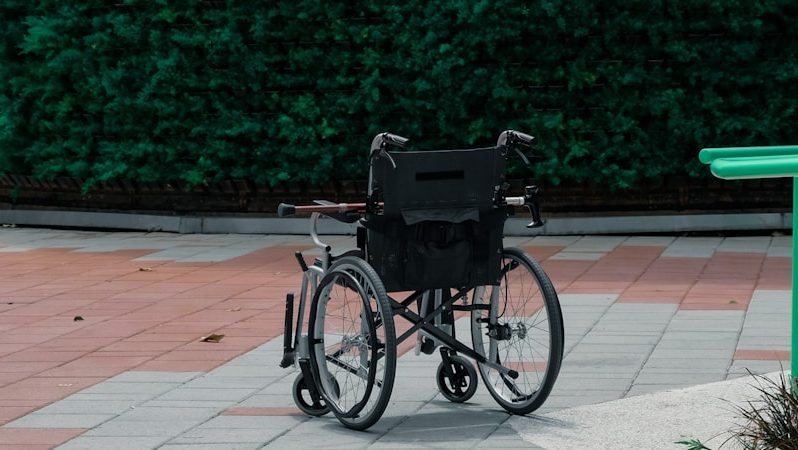
What visitors with limited mobility can realistically expect in Halkidiki
If you travel with limited mobility, Halkidiki can be both rewarding and occasionally frustrating. The sea, light and relaxed rhythm are wonderful, but pavements, slopes and old-style hotel layouts sometimes get in the way. As a local team based between Thessaloniki and Halkidiki, we have been helping guests navigate these details for over 20 years, and this guide brings together what we have learned on the ground. Halkidiki.info – travel guide for Sithonia, Kassandra & Mount Athos
Big picture: how accessible is Halkidiki overall?
Halkidiki is not an “accessible resort” in the way some purpose-built destinations are. It is a mix of traditional villages, scattered beach settlements and newer hotels built over several decades. You will find:
- Plenty of flat, easy areas around main promenades, seafronts and larger towns.
- Steep hills and uneven pavements in older villages and some coastal roads.
- Hotels with ramps and lifts – but also many small properties with steps everywhere.
- Good road access by car or taxi to most places, but limited step-free public transport.
With realistic expectations and careful choice of base, many travellers with reduced mobility, walking sticks or light wheelchairs enjoy Halkidiki comfortably. The key is to match your mobility level to the terrain and layout of the area you pick.
Understanding the terrain: where it is flat and where it is hilly
Halkidiki has three main “legs” – Kassandra, Sithonia and the Athos coast – plus the mainland area around Nea Moudania and Poligiros. The terrain changes a lot even within a few kilometres.
Flatter, easier areas for everyday walking
These bases usually work better if you use a cane, have heart or joint issues, or prefer to avoid slopes:
- Nea Moudania (mainland Halkidiki) – A working town with a flat centre, pavements (though not perfect) and a long seafront promenade. It has supermarkets, pharmacies, banks and the Nea Moudania bus station, making it one of the most practical bases for visitors with limited mobility.
- Resort strips on Kassandra – Many parts of Kalithea, Hanioti and Pefkochori have long, fairly flat main roads and seafronts. Pavements can be broken or narrow in places, but distances between cafés and shops are short.
- Agia Triada and Perea beaches near Thessaloniki – Both have long, mostly flat seafronts lined with cafés and easy beach access in sections. They are popular with older Thessalonians for gentle walks and sea views.
Hilly and more challenging areas
These are beautiful and worth a visit, but can be tiring or risky if you struggle with slopes or balance:
- Afitos (Kassandra) – The village itself is on a clifftop with cobbled streets and some steep sections. The views are superb, but the walk down to Afitos Beach involves a significant slope or steps. Many visitors with limited mobility enjoy the village square and accessible tavernas at the top and use a car or taxi to reach the beach.
- Traditional hillside villages like old Pefkochori or some parts of Sithonia’s inland settlements – charming, but usually built on slopes with uneven stone paths and limited handrails.
- Remote beaches reached via dirt tracks – on both Kassandra and Sithonia, some of the “secret” beaches involve steep, unpaved access roads and sandy paths, which are not ideal if you need stable footing.
If slopes are a concern, choose a base on flatter ground and visit hilltop villages by car or taxi for short strolls and a meal, rather than planning full walking days there. Our local team of skippers, travel agents and scuba instructors with over 20 years of experience in Halkidiki is here to help you.
Pavements, kerbs and crossings: what daily walking really looks like
Pavements in Halkidiki and Thessaloniki are improving, but you should expect inconsistency. We always advise guests to think in terms of “short, manageable stretches” rather than long, smooth promenades everywhere.
Typical pavement conditions
- Uneven surfaces – Tiles can be loose, tree roots may lift sections, and sudden small holes or gratings appear without warning.
- High or broken kerbs – Dropped kerbs exist in some crossings, but not consistently. In smaller resorts, you may find yourself going on and off the pavement frequently.
- Obstacles – Café tables, parked scooters, bins and signboards often take up pavement space, especially in the evenings.
If you use a wheelchair or rollator, you will often find it easier to move along quieter side streets or on the edge of the road, with someone walking beside you for safety. In busier areas and at night, plan slightly longer walking times and avoid rushing.
Road crossings and traffic behaviour
Traffic lights and pedestrian crossings are more common in Thessaloniki and larger towns like Nea Moudania than in resort villages. Drivers usually slow down for pedestrians, but not always to the standard you may be used to in northern Europe.
- Allow extra time to cross and make eye contact with drivers.
- In villages without formal crossings, use side streets and quieter junctions where you can cross more calmly.
- At night, stick to well-lit main roads or promenades.
In Thessaloniki city centre, around Aristotelous Square, the pavements and crossings are better maintained and more predictable, though still busy and noisy.
Hotel access and layouts: what you are likely to find
Over two decades of checking hotels for guests with limited mobility, we see the same patterns repeat. The good news is that newer properties and larger resorts tend to plan for accessibility; the challenge is that many traditional family hotels were built before modern standards.
Common hotel access situations
- Entrance – Many hotels have a small step or two at the front door. Ramps are increasingly common, but not universal. Some ramps are steeper than ideal.
- Lifts – Medium and large hotels usually have at least one lift. In small, older buildings with only two floors, you may find only stair access.
- Corridors and doors – Interior doors are often narrow, and corridor turns can be tight for larger wheelchairs.
- Bathrooms – This is where most problems appear. You will often see:
- Raised shower trays or bathtubs instead of walk-in showers.
- Limited grab rails or none at all.
- Small gaps between toilet and wall, making transfer difficult.
If you rely on a wheelchair or need full step-free access, take time to read our detailed advice in Choosing Accessible Accommodation, Parking and Boat Trips in Halkidiki and always ask the property for photos of the entrance, lift and bathroom before you book.
Ground-floor rooms and “partial” accessibility
Many hotels will say “yes, we are accessible” when what they really mean is “we have some ground-floor rooms and we can help with luggage”. For travellers who:
- Use a cane or one crutch,
- Can manage a small step with a handrail,
- Need to avoid long staircases, but not every single step,
these “partially accessible” properties can work well. To avoid surprises, always ask:
- “Is there any step between the street and reception?”
- “Is there any step between reception and my room?”
- “Is the shower walk-in, or do I need to step over a tray or into a bathtub?”
We often walk through these questions with guests before confirming a booking, as the terminology can be vague.
Beach access: sand, slopes and realistic options
When you picture Halkidiki, you probably imagine clear water and soft sand. The coastline is indeed beautiful, but beach access varies a lot from one cove to the next, especially if you have limited mobility.
Types of beach access you will encounter
- Promenade-level beaches – These are the easiest: you walk or roll straight from the pavement onto a short ramp or compacted sand. Parts of Perea Beach and Agia Triada Beach near Thessaloniki are good examples, as are some sections of larger resort beaches on Kassandra.
- Beaches below a slope – Quite common in Halkidiki. The car park or village is on a higher level, and you reach the beach via a sloping road or steps. Afitos Beach is a classic case: the sea is stunning, but the descent is long and the return climb can be demanding.
- Beaches reached by dirt track – Often the most scenic and least crowded, but usually not suitable if you depend on firm, level ground or use a wheelchair.
Facilities that make life easier
On busier organised beaches, especially near large hotels, you are more likely to find:
- Decking or wooden walkways on the sand.
- Showers and toilets on the same level as the sunbeds.
- Beach bars with shaded seating very close to the water.
Some beaches in Greece have special sea-access systems for wheelchair users, but availability can change. Always confirm the latest situation with local authorities or the local tourism office before planning a trip based solely on this.
Everyday practicalities: shops, pharmacies and medical help
For visitors with ongoing health conditions, knowing where and how to access support can be as important as beaches and sunsets. We encourage all our guests to map out a few key points before they travel.
Shops and pharmacies
- Supermarkets – Larger supermarkets around Nea Moudania, Kalithea and other main settlements usually have car parks and fairly flat entrances. Inside, aisles are wide enough for most mobility aids.
- Mini-markets – In smaller villages, many mini-markets have one or two steps at the entrance and narrow aisles. Staff are usually happy to help carry items out if you ask.
- Pharmacies – Almost every resort has at least one pharmacy. Staff are knowledgeable, and many speak English. Some pharmacies have a small step at the entrance; others are fully flat.
Medical services and hospitals
For anything more than basic first aid, you have access to:
- General Hospital of Halkidiki in Poligiros – This is the main public hospital for the region, and an important reference point if you have a chronic condition or are concerned about emergencies.
- European Interbalkan Medical Center near Thessaloniki – A modern private hospital close to the main roads and not far from the airport, often used by visitors for specialist care.
- Local doctors and clinics – Many resort areas have small private clinics or doctors who can visit your hotel. Ask your accommodation or local pharmacy for recommendations.
Always travel with a summary of your medical history and medications in English, and check your insurance covers private treatment if you prefer that route. [random_authority_text]
Getting there and getting around: airports, buses, taxis and cars
Your experience will depend heavily on how you move between places. With limited mobility, simplifying transfers and minimising changes usually makes the trip far more enjoyable.
Thessaloniki Airport “Makedonia”
Thessaloniki Airport is the main gateway for Halkidiki. It has step-free access, lifts and assistance services for passengers with reduced mobility, which you should book through your airline in advance. From the airport, you can reach Halkidiki by:
- Taxi or pre-booked transfer – The easiest option if you want to avoid handling luggage and steps. Most vehicles are standard cars; if you need a fully adapted vehicle, arrange this well ahead of time.
- Car hire – Good if someone in your group is comfortable driving. A car gives you flexibility to choose flatter beaches, avoid hills and stop close to tavernas and cafés.
If you are unsure whether to drive, we have an honest breakdown of pros and cons in Do You Really Need a Car in Halkidiki? Honest Pros and Cons in 2026.
KTEL Halkidiki Bus Station and buses
The KTEL Halkidiki Bus Station in Pylaia, near Thessaloniki, connects the city with Nea Moudania, Kassandra and Sithonia. Some buses are easier to board than others, and staff are generally helpful, but not all vehicles are fully accessible for wheelchair users. Timetables, opening hours and routes can change without notice. Always double-check locally before you travel.
If you walk short distances and can manage a few steps onto a coach, buses can work for transfers between main hubs. However, for door-to-door movement around resorts, taxis are usually more practical.
For more detail on how to combine buses and taxis without too much waiting or walking, see How to Use Buses and Taxis in Halkidiki Without Losing Time.
Taxis and private transfers
Taxis are widely available in resort areas and can usually pick you up directly outside your hotel. For travellers with limited mobility:
- Ask your hotel to call trusted drivers who are patient and used to helping older guests.
- Explain clearly if you need extra time to get in or out, or prefer a saloon car rather than a high 4×4.
- For long distances (airport–resort), pre-book a transfer to avoid standing or waiting with luggage.
Driving and parking
Roads across Halkidiki are mostly good, though narrow in places. In season, parking can be crowded near popular beaches, but if you arrive early you can usually find a spot close to the entrance, especially in flatter areas like Nea Moudania or the main resort beaches of Kassandra.
If you use a disabled parking permit from another country, keep it visible in the car. Not all local drivers are familiar with foreign badges, but police generally recognise the symbol. Sea and outdoor activities depend on weather and your own fitness level. Always follow local safety advice and skipper instructions.
Terrain and everyday life by area: Kassandra, Sithonia and Thessaloniki coast
Each part of the region has its own character and level of day-to-day ease if you have limited mobility.
Kassandra: busiest peninsula with a mix of flat and hilly spots
Kassandra is the most developed peninsula, with many resorts, restaurants and organised beaches. It suits:
- Older travellers who want short walks between hotel, café and beach.
- Families with a relative who uses a cane or light mobility aid.
- Visitors who like an evening promenade but do not want long distances.
Places like Kalithea and Hanioti have relatively flat centres, while Afitos combines a picturesque clifftop village with more challenging slopes down to Afitos Beach. If you love character and views, staying in Afitos and using taxis to reach the beach can be a good compromise.
Sithonia: more natural, but often more demanding
Sithonia is famous for pine forests and turquoise coves, but it is less urban and often hillier than Kassandra. Roads are winding, and many beaches are reached via short slopes or paths. This peninsula works best if:
- You travel by car or taxi and do not rely on walking long distances.
- You are happy to stay mainly in one or two organised beaches with easier access.
- You enjoy peaceful surroundings more than busy promenades.
For detailed suggestions tailored to older visitors and those who prefer gentle activities, see Halkidiki for Older Travellers: Comfortable Bases and Gentle Activities.
Thessaloniki’s coastal suburbs: Perea and Agia Triada
If you prefer to be close to big-city hospitals, shopping and culture, the coastal suburbs near Thessaloniki can be an excellent base:
- Perea Beach – A long, relatively flat seafront with cafés, restaurants and benches. Distances can be longer than in compact resorts, but the terrain is gentle.
- Agia Triada Beach – Similar atmosphere, slightly quieter, with a straightforward promenade and easy café access.
- Aristotelous Square in Thessaloniki – Wide pavements, level squares and plenty of seating, though it can be very busy.
From here, you can take day trips into Halkidiki by car or organised transfer, then return to a familiar, flat environment in the evening. [halkidiki_map]
Boat trips and the sea: what is realistic with limited mobility
Many visitors dream of seeing Halkidiki from the water. With mobility limitations, the key question is not just “Is there a boat?” but “How do I get on and off it?”
Typical boarding situations
- Small boat piers – Short, sometimes uneven jetties with a step down into the boat. Crew usually help, but there may be gaps or slight movement.
- Marinas like Aretsou Marina in Thessaloniki – More stable pontoons and clearer gangways, but still usually a step or short ramp into the vessel.
- Beach pick-ups – Rarely suitable for limited mobility, as you may need to walk on soft sand and step into a moving boat.
If you walk with a cane and feel confident with hand support from the crew, many gentle coastal trips are possible. If you use a wheelchair full time, options are more limited and need careful pre-arrangement. If you’d like to explore the coast, ask us about day trips at sea and sailing boat options. For private sailing or yacht experiences where boarding can be planned more calmly, you can look at examples on yachts.holiday and then discuss your exact needs with operators.
Swimming, sea conditions and staying safe
The sea around Halkidiki is generally calm in the mornings, with light winds building later in the day in summer. Water is usually very clear, which helps if you feel more secure when you can see the seabed.
Entering and exiting the water
- Gentle sandy entries – Ideal if you are steady on your feet but prefer no sudden drop-offs. Many family beaches on Kassandra and around Nea Moudania offer this.
- Pebbles at the shoreline – Common in some areas and can be slippery. Water shoes and a steady arm from a companion help a lot.
- Beach showers and taps – Useful for rinsing off sand and cooling down if you do not want to swim fully.
Always listen to your body, especially in the heat. Avoid long walks on hot sand, and choose sunbeds close to the waterline if possible. Sea and outdoor activities depend on weather and your own fitness level. Always follow local safety advice and skipper instructions.
If you are interested in snorkelling or very gentle underwater experiences but are unsure about your mobility, you can see how some local centres support guests on portoscuba.com.
Weather, seasons and how they affect mobility comfort
In high summer, heat can be as limiting as slopes if you have heart, lung or joint issues. Planning around the climate makes a big difference to day-to-day enjoyment.
Seasonal feel
- May–June – Warm but not extreme, quieter resorts, easier parking. Ideal for gentle walks and exploring.
- July–August – Hottest and busiest. Expect more traffic, crowded pavements at night and stronger sun. Plan siestas and early-morning or evening outings.
- September–early October – Often the best compromise: warm sea, softer light, fewer crowds, easier access to everything.
For an overview of current conditions and planning around heat or wind, check official resources such as the Hellenic National Meteorological Service or the Meteo.gr forecasts.
Honest limitations and who Halkidiki suits best
We want you to arrive with clear expectations. Halkidiki can be a wonderful choice if you know its limits and your own.
Who usually enjoys Halkidiki with limited mobility
- Travellers who can walk short distances with a stick or rollator.
- Older couples who like relaxed seafront cafés and simple daily routines.
- Families travelling with a parent or grandparent who needs to minimise stairs and hills.
- Visitors who are happy to use taxis or a car for slopes and longer distances.
Where it can be challenging
- For full-time wheelchair users, especially in older villages with steps and cobbles.
- If you dislike uneven pavements, high kerbs and occasional obstacles.
- If you expect every hotel to have fully accessible bathrooms and rooms – many do not.
For some travellers, combining Halkidiki with a few nights in Thessaloniki city centre (for smoother pavements and cultural visits) gives a nice balance. You can then focus your Halkidiki time on flatter resort strips and easy-access beaches.
Practical planning tips from our local team
Based on years of walking these streets and accompanying guests, these points make the biggest difference in reality:
- Choose your base first, then your hotel – Decide whether you prefer a flatter town like Nea Moudania, a busy resort on Kassandra, or the Thessaloniki coast. Then narrow down hotels that match your mobility needs.
- Ask for photos, not just promises – Specifically of the hotel entrance, any steps, lift, corridor to the room and bathroom.
- Think in short, repeatable routes – For example, “room–lift–reception–café–beach” rather than big excursions every day.
- Plan your transport – Decide early whether you will rely on taxis, a hire car, or a mix of buses and taxis. Timetables, opening hours and routes can change without notice. Always double-check locally before you travel.
- Know your nearest medical point – Whether it is a local clinic, pharmacy, the General Hospital of Halkidiki or a large centre like the European Interbalkan Medical Center.
If you would like to go deeper on choosing the right hotel layout and nearby parking, our guide Choosing Accessible Accommodation, Parking and Boat Trips in Halkidiki walks through real-world examples. Not sure where to start? Contact our local travel agency for friendly, personalised advice, seasonal offers and travel options.
Bringing it all together for your trip
Halkidiki in 2026 remains a place of clear water, soft evenings and generous hospitality, but it is not a perfectly smoothed-out, fully accessible resort. There will be cobbles, unexpected steps and the occasional awkward pavement. For many travellers with limited mobility, however, a carefully chosen base, realistic daily routes and a little help from taxis or a car turn these small obstacles into manageable details.
Take your time, plan honestly around your own comfort level, and focus on areas where the terrain and layout are on your side. When you are ready to piece everything together into an itinerary that suits your pace, our broader overview in Halkidiki for Older Travellers: Comfortable Bases and Gentle Activities and our transport guide in How to Use Buses and Taxis in Halkidiki Without Losing Time are good next steps. Want the full picture? Read our in-depth Halkidiki travel guide before you book.