Sailing in Halkidiki with children: what safety really looks like on the water
If you are picturing a wobbly deck, strong winds and kids sliding about, you are not alone. The good news is that most family sailing days in Halkidiki are calm, well-managed, and genuinely fun, as long as you pick the right route and boat.
We have been working in Halkidiki and Thessaloniki tourism for more than 20 years, and we still take our own friends and family sailing each season. Kids usually surprise parents with how quickly they settle in, especially when there is shade, the right life jacket, and a simple plan for snacks and swim stops.
Where in Halkidiki is safest for sailing with kids (and why)
Halkidiki is not one single sailing spot. Conditions change a lot between the gulfs and the open Aegean side, and that is what matters most with children. Sheltered water means less chop, easier boarding, and happier tummies.
For families, we tend to favour routes that start from organised marinas and stay in bays with protection from the wind. Around Ormos Panagias and the Vourvourou area in Sithonia, for example, you can tuck into coves quickly if the breeze picks up. Neos Marmaras also works well because the port area is set up for visitors and you have options nearby like Ag. Kiriaki Beach when you want a simple swim stop.
If you are looking at Kassandra, areas around Nea Potidea can feel more controlled because you are close to the canal and the waters can be smoother depending on the day. Afitos Beach is another family favourite for gentle water, though it is more about the swim and stop than a long sailing leg.
When people ask about “the safest peninsula”, we do not answer with a blanket rule. It is more about the day’s wind direction, your skipper’s plan, and whether you can stay flexible. If you want a feel for easy child-friendly sea days, have a look at 2026 Vourvourou Bays and Karidi Beach with Children: What You Should Know.
[sithonia_map]
How children typically react onboard (honest version)
Most kids love the boat within ten minutes. The novelty does a lot of heavy lifting. They like spotting fish in clear water, jumping in for swims, and feeling “in charge” when you let them help with tiny tasks like holding a rope (supervised) or choosing the next snack.
The tricky bit is the first hour if the sea is bumpy or if they are hungry, hot, or overtired. That is when little moods appear, and it can feel like the whole plan is falling apart. It usually is not. A shaded spot, water, and a quiet activity fixes it, but parents often wait too long before switching gears.
Age makes a difference too:
- Babies and toddlers often nap brilliantly with the engine hum and gentle rocking, but they need shade and stable seating. They also need a life jacket that fits properly, not a “close enough” one.
- Preschoolers want to move around. You will need clear rules about where they can sit and when they can stand.
- School-age kids usually cope best. They can follow instructions and enjoy snorkelling and swimming stops.
- Teens are either totally into it or pretending they are not. Give them a role, like helping with music, photos, or checking the route on a phone, and they come around.
Life jackets: what to check before you even leave the dock
In our experience, the biggest safety difference between a “nice day out” and a stressful one is the life jacket situation. Not just having them onboard, but having the right size, and using them without negotiating for half an hour.
Here is what we tell parents to look for when you arrive at the marina:
- Correct sizing based on the child’s weight, not their age. Ask the skipper to show the label and help you fit it.
- Crotch strap for smaller children so the jacket does not ride up around the ears in the water. This is a big one that people miss.
- Snug fit. You should be able to lift gently at the shoulders and the jacket should not slide up past the chin.
- Comfort and movement. If it rubs their neck or feels stiff, they will fight it all day. Adjust it properly, then distract them with something fun.
- Bright colour helps visibility in the water, especially in busier anchor spots near popular beaches.
On family day sails, we usually recommend children wear life jackets whenever the boat is moving, whenever they are on deck, and whenever the sea feels unsettled. If you are anchored in a calm bay for swimming, your skipper may allow flexible rules depending on age and confidence, but do not be shy about asking for the strict version. It is your holiday, not a test.
Shade onboard: the comfort feature that becomes a safety feature
Halkidiki sun hits hard from late May onwards, and on a boat you feel it more because of reflection from the water. Shade is not just about comfort. It reduces dehydration, headaches, heat rash, and the grumpy spiral that ends in tears.
Before booking, ask what the shade setup is. A bimini over the cockpit is common, but not universal. Catamarans often have more covered space, while smaller sailing boats can have limited shaded seating. If your child needs regular shade breaks, that matters more than whether the boat looks pretty in photos.
Practical shade tips that actually work:
- Bring a long-sleeve UV top for each child. It makes a bigger difference than reapplying suncream every ten minutes.
- Pack a hat with a strap. Sea breeze steals hats fast, and then you are dealing with “my hat is gone” sadness for the rest of the day.
- Plan the day so the most exposed time is also the most active time, like a swim stop. Sitting still in direct sun is when kids overheat.
- Keep a thin towel or muslin for naps in the shade. The breeze can feel chilly after swimming, even when it is hot.
Seasickness: how to prevent it, and what to do if it starts
This is the bit parents worry about most, and honestly, it is the one issue that can ruin a day if you ignore early signs. The good news is that many Halkidiki family routes are short hops between bays, with plenty of chances to stop and reset.
Seasickness tends to hit when kids are inside the cabin, staring at a screen, or travelling on an empty stomach. It can also happen on a perfectly calm day if they are anxious. And yes, sometimes it just happens because bodies are weird.
What helps before you leave:
- Eat a light breakfast. Not greasy, not huge, not nothing.
- Hydrate early. Do not wait until you are already out at sea.
- Pick a route with sheltered water if you know your child is sensitive. Around Ormos Panagias and the bays near Vourvourou is often a safer bet than long open stretches.
- If you use travel sickness medication, speak to your pharmacist or GP before your trip and follow the instructions. Try it on a normal day first if you can, not for the first time on a boat.
What helps once you are onboard:
- Keep them on deck in fresh air, looking at the horizon.
- Offer small snacks like plain biscuits or fruit, and sip water little and often.
- Move them to the middle of the boat where motion is usually gentler.
- Do not force them below deck “to rest”. That often makes it worse, even if it seems logical.
If sickness starts, tell the skipper straight away. A small course change, slowing down, or stopping in the next bay can fix it quickly. Waiting and hoping rarely works, and parents sometimes feel embarrassed about it. No need. Skippers hear this every week in summer, they will not judge you, promise.
Choosing a departure point: marinas that make family days easier
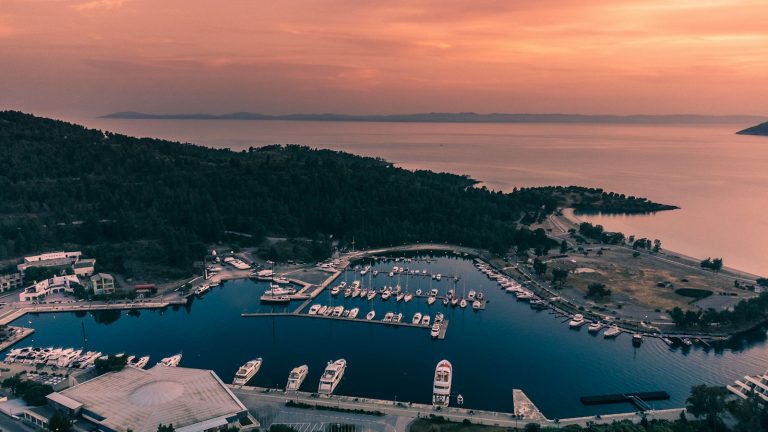
With kids, the start of the day sets the tone. A proper marina means easier boarding, nearby toilets, less chaos with bags, and usually better safety checks. In Sithonia, Porto Carras Marina near Neos Marmaras is one of the best-equipped places for embarkation. Latoura Marina near Ormos Panagias is also a practical option, especially for family-friendly routes into sheltered bays.
In Kassandra, you will find departures from different spots depending on the operator and the route. If you are staying near Paliouri and looking at a day sail, it is worth checking what the boarding setup is like and how much walking is involved with kids and bags.
This is also where a local team helps. You want someone who will tell you “that boat is lovely but not ideal with a toddler” rather than just taking a booking. Our local team of skippers, travel agents and scuba instructors with over 20 years of experience in Halkidiki is here to help you.
What a safe, child-friendly sailing day looks like (a realistic outline)
A good family sailing day in Halkidiki is not about packing in miles. It is about short legs, calm anchorages, and enough swim time to burn energy. The best days feel unhurried.
A typical plan might be:
- Boarding and a safety briefing that includes children, not just adults.
- A short sail or motor to the first bay while kids settle in and find their “spot”.
- Swim stop in clear water, often with snorkels and floating noodles if the boat carries them.
- Lunch onboard or a simple picnic style meal, then shade time.
- Second swim stop, usually calmer because everyone has relaxed by then.
- Return before late afternoon winds have a chance to build, depending on the forecast.
For more ideas on pacing and keeping different ages happy, this is worth a read: Family-Friendly Sailing Days in Halkidiki: How to Keep Everyone Happy.
Safety briefing: what you want to hear from the skipper
Even on a relaxed holiday sail, there should be a proper safety run-through. Not a theatrical one, just clear and calm. If it is rushed or skipped, that is a red flag.
Things we like to hear, especially with children onboard:
- Where children should sit while the boat is moving.
- When life jackets are required and how strict the rule is.
- How boarding and swimming ladders work, and where to hold on.
- What to do if someone drops something overboard. Spoiler: you do not jump in after it.
- Where the first aid kit is and who is responsible for it.
- How the toilet works, because kids will ask at the worst possible moment.
[random_authority_text]
Swimming stops: the safest way to do them with children
Most family sailing days in Halkidiki include swimming, and that is usually the highlight. Water clarity is often excellent in summer, especially in the sheltered bays of Sithonia, but kids can still get tired fast and drift without noticing.
These simple rules keep things smooth:
- One adult stays “on watch” when kids are in the water. Take turns, do not assume everyone is watching.
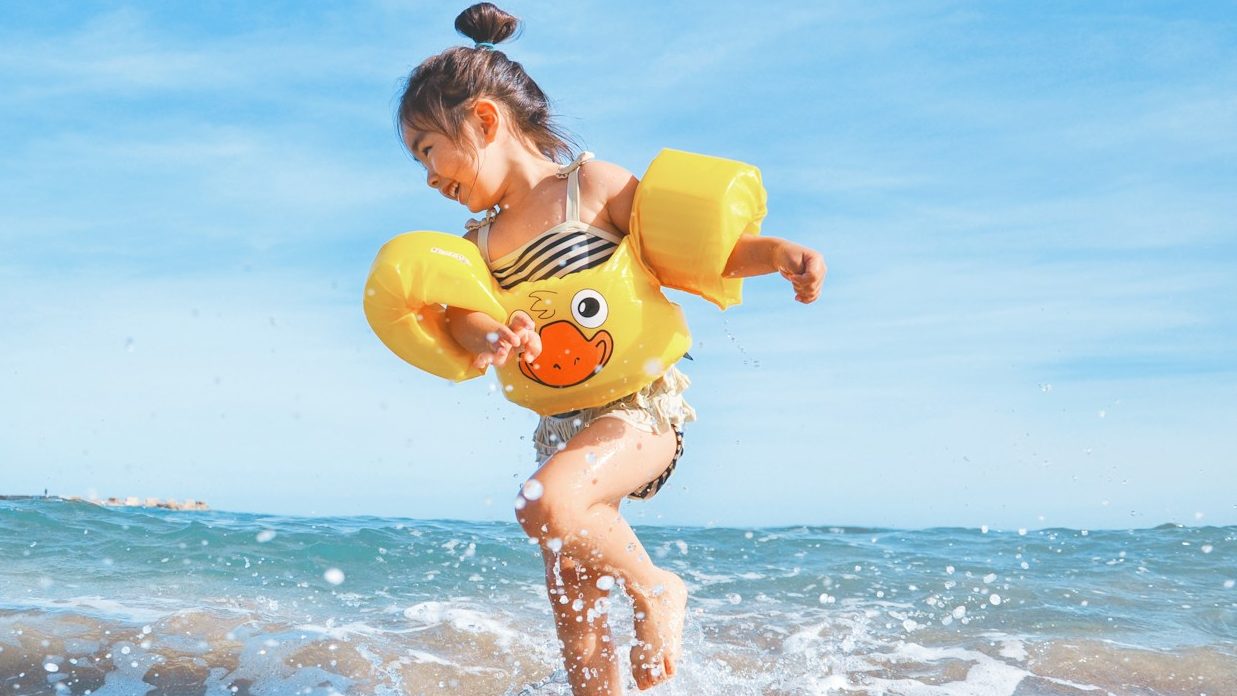
- Use flotation even for confident swimmers if there is any breeze. Inflatable arm bands can pop, so consider a swim vest.
- Teach kids to approach the ladder from the side, not from directly behind it, especially if there is gentle movement.
- Rinse saltwater from eyes with fresh water quickly. It stops the “my eyes hurt” panic that can happen mid-swim.
Wind, waves, and the “it changes fast” reality
Halkidiki is generally kind to family sailing, but conditions can shift. In summer you often get a light breeze that feels perfect, then a stronger gusty patch later in the day. On the Aegean side of Sithonia, the sea can feel more open, while inside bays it can be almost glassy.
What we do with families is keep the day flexible. If the wind is up, you shorten the route and spend more time anchored in a protected bay. If the water is choppy, you avoid long crossings. A skipper who knows the coastline around Neos Marmaras, Ormos Panagias, and the nearby bays will have plenty of safe options.
If you are driving to the marina with kids, give yourself extra time for parking and last-minute toilet stops. Turning up stressed is a fast way to make the whole day feel harder than it is.
What to pack for a calmer day (and what to leave behind)
People overpack for boats. Space is limited and clutter is a trip hazard, especially with children. Bring what you will actually use.
- Water in reusable bottles and extra for rinsing salty hands.
- Simple snacks that do not melt. Think fruit, breadsticks, plain biscuits.
- UV tops, hats with straps, and a thin layer for the breeze.
- Dry bag for phones and a small pouch for seasickness supplies.
- Baby wipes. Not glamorous, very useful.
- Lightweight swim shoes for rocky entries if you stop near pebbly coves.
What to skip: big hard suitcases, toys with lots of small parts, and anything precious that will make you anxious. Also, if your child is attached to one special comfort toy, maybe bring a backup. Sounds silly until it saves your day.
Who it suits best (and when to think twice)
Sailing here suits most families, including first-timers, as long as expectations are realistic. It is brilliant for couples with kids who want a special day away from crowded beaches, and for multi-generation groups because everyone can relax at their own pace.
It is especially good for:
- Families who like calm water and swimming in clear bays.
- Kids who enjoy nature and spotting fish.
- Parents who want a “contained adventure” without long drives.
You might think twice if:
- Your child is very prone to motion sickness and refuses medication or any prevention steps.
- You are trying to do a full-day trip with a baby in peak heat without reliable shade.
- Anyone in your group has mobility issues and the boat has awkward boarding.
If you are balancing sailing with beach days, Kassandra has some very easy shallow-water options for little ones. This guide helps you choose: Best Shallow Beaches in Kassandra for Small Children in 2026.
Booking questions to ask (so you do not end up on the wrong boat)
Ask these before you pay a deposit. It saves so much hassle, and good operators will answer clearly.
- Is there shade for the whole group, not just the skipper?
- Do you have child-sized life jackets, and what weight range?
- How long are the sailing legs between swim stops?
- Is the route flexible if the wind changes?
- Is there a proper swimming ladder and an easy way back onboard?
- Is the toilet usable for children?
If you want help matching the right route to your kids’ ages and your base in Halkidiki, use Not sure where to start? Contact our local travel agency for friendly, personalised advice, seasonal offers and travel options.. It is often a quick chat to avoid a bad fit.
Local options for family-friendly sailing and water activities
For sailing days in Kassandra near Paliouri, you will see family options that focus on easy cruising and swim stops rather than “serious sailing”. If you want to browse what a day on the water can look like, yachts.holiday is a useful reference for boat styles and routes in the area: https://yachts.holiday/. For a local operator perspective in Kassandra, you can also look at portoscuba.com, which covers sea activities and trips from the peninsula.
If your children are more into masks and fish than sailing itself, keep it simple and start with snorkelling at a calm bay, then build up. If diving is on your mind for older teens, do it with proper supervision and the right conditions. You can explore options here:
[ticketinhub_list_all]
Helpful official resources to check before you go
For up-to-date forecasts, check the Hellenic National Meteorological Service at https://www.hnms.gr/. For broader destination info and local context, the Greek National Tourism Organisation is a good starting point: https://www.visitgreece.gr/. If you want background on the region and the peninsulas, Wikipedia’s overview of Halkidiki is handy for orientation: https://en.wikipedia.org/wiki/Chalkidiki.
A few extra local parent tips that save the day
Do the life jackets first, before snacks and photos. If you leave it until the boat is already moving, you will end up arguing with a child who is suddenly scared and clingy, and it feels ten times harder.
Also, do not plan a late heavy lunch in the heat after sailing. A light meal, shade, then a swim is better. We see families push through because they feel they “should” do more, then everyone is knackered and snappy on the way back.
If you are travelling with children in Halkidiki more generally, this page is full of the little things people wish they knew earlier: Halkidiki with Children: What Parents Wish They Knew Earlier.
And if you want the wider planning context for routes, bases, and what suits your family, Want the full picture? Read our in-depth Halkidiki travel guide before you book.