Family days out in Vourvourou’s calm bays and Karidi Beach (Sithonia) – the honest, practical version
Vourvourou and Karidi Beach are two of the easiest “yes” choices in Sithonia when you’re travelling with small children: sheltered water, lots of shallow patches, and plenty of low-effort fun (sand, shells, paddling). That said, they’re not stress-free by default in peak season – parking, shade and timing make all the difference.
We’re Thessaloniki and Halkidiki tourism professionals with 20+ years on the ground, and we’ve done these exact beaches many times with families. Below is what actually helps on the day: where to park, where the water stays shallow, what to do for shade and food, and a nap-friendly plan that doesn’t end in tears.
Where Vourvourou and Karidi are (and why they work well for children)
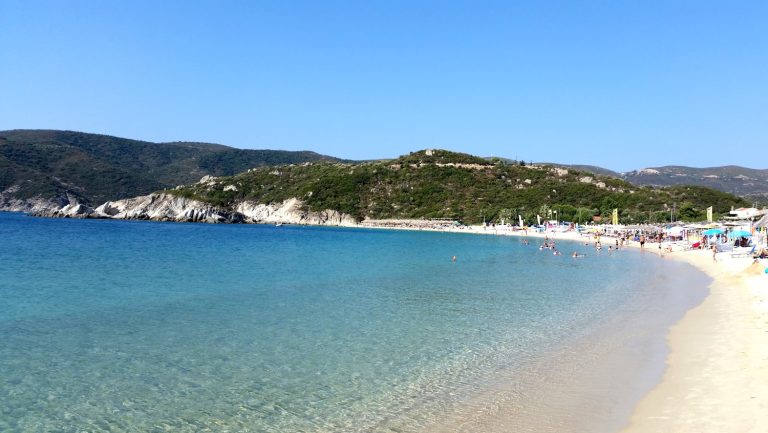
Vourvourou is on the east side of Sithonia (the middle peninsula of Halkidiki), facing a cluster of small islands that break up the sea and keep many bays calm. Karidi Beach sits right by Vourvourou village and is one of the most popular family beaches in the area because the water is usually clear and the entry is typically gentle.
If you’re planning to explore beyond one beach, it helps to understand the area as a string of small bays rather than one long coastline. For a wider overview of the lagoons, islands and nearby spots, see our guide: Vourvourou, Karidi, Livari & Ormos Panagias: Lagoons, Islands and Shallow Seas.
Quick reality check: what Karidi and the bays are (and are not)
- They are: great for paddling, sand play, first swims, snorkelling in calm coves, and short, easy beach sessions.
- They are not: organised “full-service” beaches everywhere. Shade and facilities vary a lot between coves.
- They can be: very busy in July–August, especially Karidi, with tight parking and lots of people at the shoreline.
How to reach Vourvourou and Karidi with kids (without overcomplicating it)
Most families arrive by car from Thessaloniki. It’s the simplest way to manage a child-friendly day (car seat, snacks, change of clothes, and the ability to leave when you need). Roads are generally straightforward, but the final stretches around Vourvourou can feel slow in peak season because of parking searches and pedestrians near the beach accesses.
If you’re using buses, plan for more walking in the heat and fewer options for carrying shade and extra kit. Always double-check seasonal routes and timings close to travel dates. Timetables, opening hours and routes can change without notice. Always double-check locally before you travel.
Driving and day-trip timing that actually helps
- Aim to arrive before 10:00 in high season for Karidi, earlier on weekends. It’s not about being extreme – it’s about finding parking without a meltdown.
- Leave either before lunch or after nap time to avoid the “everyone leaving at once” bottleneck.
- Keep a back-up bay in mind if Karidi is packed. Vourvourou has multiple access points to calmer coves.
Parking: what families need to know before they commit
Parking is the number one stress point around Karidi Beach in summer. The beach is stunning, but the access roads are narrow and the informal parking fills quickly. You’ll see cars tucked along the roadside – be careful not to block driveways, turning points, or emergency access.
Karidi parking: the honest version
- Arrive early if you want a straightforward park close enough to carry a pram/floaties without drama.
- Expect a short walk at minimum; in peak weeks it can become a longer walk under full sun.
- Do not rely on “I’ll just circle once” – circling can turn into 30–45 minutes on busy days, which is rough with toddlers.
- Have a Plan B: pick another Vourvourou bay if you can’t park safely and quickly.
Vourvourou bays: easier parking if you’re flexible
Along the Vourvourou coastline, you’ll often find bays where parking is less intense than Karidi – especially if you’re happy with a smaller cove and you bring your own shade. The trade-off is fewer “obvious” facilities and sometimes a slightly rockier entry depending on the spot.
One simple rule we give parents
If parking feels chaotic, don’t force it. With small children, a calm start sets the tone for the whole day. Choose a quieter bay, enjoy it, and save Karidi for another morning.
Shallow spots and easiest sea entry (where little ones cope best)
Families love this area because the water can stay shallow for a decent stretch, and the islands offshore reduce swell in many conditions. But “shallow” isn’t identical everywhere, and the seabed can change after winter storms.
Karidi Beach: what to expect for toddlers
- Gentle entry in many sections, with clear water that makes it easier to see where children are stepping.
- Natural variation: some parts feel sandier, others have more pebbles or patches where it deepens sooner.
- Best for: confident paddlers, toddlers who like to sit at the waterline, and early swimmers with armbands (with close supervision).
Vourvourou bays: why they’re often easier than “one famous beach”
Smaller coves around Vourvourou can be brilliant for children because you can choose the entry that suits your family that day – especially if you want a quieter shoreline and less splashing chaos around you. In calm weather, some bays feel almost like a natural paddling pool.
Water safety note (especially with inflatables)
Even in sheltered bays, a light breeze can move inflatables faster than you expect. Keep children within arm’s reach in the sea and avoid relying on inflatable rings as “safety”. Sea and outdoor activities depend on weather and your own fitness level. Always follow local safety advice and skipper instructions.
Shade: the make-or-break factor for family comfort
In Sithonia summer, shade is not a luxury – it’s your nap plan, your snack plan and your “we can stay another hour” plan. Karidi has natural shade in places, but it’s limited and gets taken early. Many Vourvourou coves have fewer trees right at the sand line.
Our practical shade setup for Vourvourou/Karidi
- Bring a proper beach umbrella that can handle a breeze (and a screw-in anchor if you have one).
- Pack a lightweight pop-up tent for babies/toddlers who need a darker nap corner.
- Two large towels + one thin blanket helps create a cooler “floor” in the shade.
- Spare dry top for after swimming – kids cool down fast when they sit still in shade.
Timing for shade at Karidi
If you want natural shade, arrive early and claim a spot respectfully without spreading out like you’re camping for a week. If you arrive late morning in August, assume you’ll need your own shade solution.
Food, water and toilets: what’s easy, what’s not
Vourvourou is a small village but it’s the practical base for families: mini-markets for snacks and water, bakeries for easy breakfast, and tavernas for a proper lunch. Karidi Beach itself is more about the beach than facilities, so think of it as a “bring what you need” kind of stop, then eat in the village or nearby.
What we recommend packing (so you don’t overbuy at beach prices)
- More water than you think (plus a refill bottle for parents).
- Simple salty snacks (breadsticks, crackers) and fruit that travels well (apples, grapes in a box).
- One “post-swim” snack that feels like a treat (it avoids lunch battles).
- Wet wipes + hand gel (sand and sticky fingers are constant).
Where to eat nearby (family-friendly approach)
- Vourvourou village: easiest for a quick meal without a long drive – ideal if you want to be back at the accommodation for nap time.
- Agios Nikolaos village: a good option if you want a more traditional village feel and you’re already driving that way.
- Neos Marmaras: more choice and a lively evening stroll, but it’s not “quick in and out” in peak season.
Toilets and changing
Facilities vary by exact spot. With small children, assume you’ll need to manage changing and quick clean-ups yourself. A large muslin cloth or changing mat in the shade makes life easier.
A nap-friendly plan that works (without trying to do too much)
For most families, the best day in Vourvourou/Karidi is a two-part day: an early beach session, then a proper break during the hottest hours. Trying to push through midday heat is when parents end up exhausted and children stop coping.
Option A: The classic “morning beach, midday reset”
- 08:30–10:00 arrive, park, set up shade, slow start with snacks.
- 10:00–12:00 best water time for kids: clear, calm, not too crowded yet.
- 12:00–14:00 lunch in Vourvourou (or back at your accommodation).
- 14:00–16:30 nap/quiet time (air-con is a gift).
- 17:00 onwards short second beach stop in a quieter bay, or a gentle evening in the village.
Option B: One sea session only (for toddlers who nap hard)
- Arrive early, stay 2–3 hours max.
- Leave before the heat peaks.
- Pick a single priority: sand play + paddling, not “and snorkelling and exploring and lunch out”.
Option C: Boat day as the “nap hack”
If your child sleeps well with motion, a gentle cruise around the sheltered waters can be surprisingly nap-friendly (with shade on board and less sand everywhere). If you’re considering it, read: Family-Friendly Sailing Days in Halkidiki: How to Keep Everyone Happy. For ideas on routes and what a family day on the water can look like, you can also browse yachts.holiday.
If you’d like to explore the coast, ask us about day trips at sea and sailing boat options.What to do beyond “just the beach” (small adventures children love)
Vourvourou isn’t about big sights – it’s about little moments: floating in transparent water, spotting fish, and playing in calm shallows. Still, a few low-effort activities can make the day feel special without adding stress.
Easy, child-friendly ideas
- Mini snorkel at the edge (older kids): in clear water, even close to shore you can see small fish. Choose a calm spot and keep it short.
- Shell and pebble hunt: bring a small container and set a “five finds” rule so it doesn’t become an endless mission.
- Shallow-water games: buckets, a small net, and a ball that won’t drift too far.
- Sunset walk in Vourvourou village: a gentle way to end the day when the temperature drops.
Diving and sea experiences (for families with older children)
If you’re travelling with teens or confident older kids and want a structured sea activity, look for reputable local operators and always check conditions. For an overview of diving options and safety-minded planning, you can start with portoscuba.com.
Dangers and annoyances to watch (so you’re not caught out)
This area is generally family-friendly, but there are a few recurring issues we see every season – especially for visitors who assume “calm bay” means “nothing can go wrong”.
1) Sun and heat (the silent trip-ruiner)
- Heat builds fast from late morning onwards, especially with no wind.
- Use rash vests for children rather than relying only on reapplying sunscreen.
- Offer water constantly – kids don’t always ask until they’re already dehydrated.
2) Wind shifts and drifting inflatables
Even when the bay looks flat, a breeze can push floaties out surprisingly quickly. Keep inflatables as toys near shore, not as safety devices, and avoid letting children drift “just a bit further” to chase clearer water. Sea and outdoor activities depend on weather and your own fitness level. Always follow local safety advice and skipper instructions.
3) Slippery rocks and sea urchins (occasionally)
Most of Karidi feels sandy, but rocky patches exist in the wider area and conditions change. If your child is sensitive to footing, pack simple water shoes. They also help with hot sand and surprise pebbles.
4) Crowds and noise at Karidi
Karidi can feel intense at peak times: lots of families, lots of inflatables, and a busy waterline. If your child gets overwhelmed, choose a quieter Vourvourou cove and you’ll likely enjoy the day more.
5) Driving and pedestrians near access points
When parking areas fill, people walk on the roadside with bags, prams and children. Drive slowly, expect sudden stops, and don’t park where you reduce visibility for others.
Seasonal feel: when it’s easiest with children (and what changes month to month)
Vourvourou and Karidi are at their best for families when you balance warm water with manageable crowds. The “best” time depends on your child’s tolerance for heat and your appetite for busy beaches.
Late May to mid-June
- Pros: calmer beaches, easier parking, gentler pace.
- Cons: sea temperature can still feel cool for toddlers on some days; bring a light wetsuit top if your child feels the cold.
Late June to August
- Pros: warm water, longest days, lots of atmosphere.
- Cons: Karidi gets very busy; shade is competitive; midday heat can be relentless for little ones.
September
- Pros: often the sweet spot – warm sea, softer sun, fewer crowds (especially after the first half).
- Cons: services can start to wind down later in the month; check locally.
Who Vourvourou and Karidi suit best (and who may prefer somewhere else)
Choosing well is half the battle with family travel. Here’s who usually loves it – and who might be happier with a different plan.
Best for
- Families with toddlers and primary-school children who want shallow play and clear water.
- Parents who like flexible “choose your bay” days rather than one fixed beach club setup.
- Couples with a baby who can do an early beach session and retreat for naps.
May be less ideal for
- Families who need guaranteed facilities right behind the towel (toilets, shade, organised seating) without bringing gear.
- Anyone who dislikes crowds but is travelling in peak August and only wants to visit Karidi at midday.
Local, parent-tested tips that save the day
These are the small things we’ve learned over years of helping visitors plan – and from our own repeated visits.
- Pack a “car rescue kit”: spare water, biscuits, baby wipes, and a dry T-shirt for each child. It turns traffic/parking delays into a non-issue.
- Do the first swim early: children are braver and happier before the beach gets noisy and hot.
- Use a simple boundary rule: “You can go in up to your belly button, and only between these two points.” Repeat it calmly, every time.
- Bring a lightweight long-sleeve top: after swimming, shade + breeze can chill kids quickly.
- Don’t chase the ‘perfect’ photo spot: with children, the best spot is the one where you can relax and supervise easily.
[random_authority_text]
Good alternatives nearby if Karidi is too busy
If you arrive and Karidi feels like too much, don’t write off the day. Sithonia has several family-friendly beaches within a reasonable drive, and the right choice depends on wind and how much organisation you want.
Nearby options to consider
- Agios Ioannis (near Nikiti): often an easy-going family beach with a long shoreline for walks and space to spread out.
- Lagomandra (Sithonia): known for a gentler slope into the sea in many sections; a solid “safe bet” beach day.
- Diaporti (near Neos Marmaras): a good option if you’re already based around Marmaras and want clear water and a change of scene.
And if your trip includes Kassandra as well, our parents’ shortlist is here: Best Shallow Beaches in Kassandra for Small Children in 2026.
[halkidiki_map]
If you want extra help planning the family logistics
If you’re juggling naps, beach gear, and the “where do we eat without a long wait?” question, you’ll save time by reading our broader parent guide: Halkidiki with Children: What Parents Wish They Knew Earlier. And if you’d like us to sense-check your base, beach options and day-trip rhythm, send us a message here: Not sure where to start? Contact our local travel agency for friendly, personalised advice, seasonal offers and travel options.
Useful official sources to double-check conditions
For anything that can change quickly (weather, fire risk, local rules), it’s worth checking official sources close to your travel day.
- Visit Greece (official tourism portal)
- meteo.gr (National Observatory of Athens weather)
- Sithonia overview (Wikipedia)
If you want the bigger picture of how the bays, lagoons and nearby villages connect, we’ve pulled everything together here: Want the full picture? Read our in-depth Halkidiki travel guide before you book.