A local’s guide to seeing Mount Athos from the sea, from Ouranoupoli to the Holy Mountain’s grand monasteries
If you want to experience the Holy Mountain without entering the monastic state, a boat trip along the Athos coast is the most honest, beautiful way to do it. After more than 20 years working in tourism around Halkidiki and Thessaloniki, and sailing this route in all seasons, we’ve learnt exactly what makes a Mount Athos cruise memorable – and what can disappoint if you don’t know what to expect.
This guide walks you through the typical route, the key monasteries you’ll actually see from the deck, how to photograph respectfully, and what the sea and weather really feel like out there – so you can choose the right tour and enjoy the day without surprises.
Where Mount Athos is – and why most visitors see it from the sea
Mount Athos is the third “finger” of Halkidiki, south-east of Thessaloniki, forming its own self-governed monastic state. The monasteries lie on the eastern and southern coasts of the peninsula, clinging to steep slopes under the peak of Athos itself.
Because of long-standing religious rules, women are not allowed to enter the monastic state at all, and men need a special permit (diamonitirion) and must stay overnight. For most travellers – families, couples, mixed groups – the only realistic way to experience the Holy Mountain is from a respectful distance at sea, cruising parallel to the forbidden shore.
If you’re interested in the deeper story behind these rules and how Athos became such a unique place, our article The Story of Mount Athos: History, Myths and Why You Can Only See It from the Sea is a good background read before you sail.
Starting point: Ouranoupoli and the Athos coast gateways
Almost all Mount Athos boat trips depart from Ouranoupoli, the last village before the border of the monastic state, on the Athos coast of Halkidiki. You’ll recognise it by the stone Byzantine tower on the beach and a small harbour full of excursion boats and fishing vessels.
Nearby Tripiti port also serves ferries and some local traffic, but for standard Athos cruises you’ll usually embark directly in Ouranoupoli. The area including Ierissos, Nea Roda and Ouranoupoli acts as the “gateway” to the Holy Mountain, with hotels, rooms, tavernas and parking suitable for an overnight stay before or after your trip. If you’re still choosing where to base yourself, have a look at Ierissos, Nea Roda & Ouranoupoli: Gateways to the Holy Mountain for a feel of each village.
From Thessaloniki, driving to Ouranoupoli usually takes around two hours, depending on traffic and summer roadworks. There are also regular buses from the city to the Athos coast, but timetables change seasonally, so always confirm with the official KTEL Halkidiki website before you plan a same-day connection. Timetables, opening hours and routes can change without notice. Always double-check locally before you travel.
If you’re staying elsewhere in Halkidiki – Kassandra, Sithonia or Central Halkidiki – plan at least 1.5–2 hours’ driving time to reach Ouranoupoli in the morning, and add a buffer for parking and boarding.
Typical Mount Athos boat trip route: how far you actually go
Although each company uses its own marketing names, most classic Athos boat trips follow a very similar route along the western coast of the peninsula, staying outside the 500-metre exclusion zone from the shore.
Standard west-coast sightseeing route
In broad strokes, this is what you can expect on a typical 3–4 hour cruise:
- Departure from Ouranoupoli: You leave the harbour and pass the border line of the monastic state, often marked by a small building and a coastline change.
- Pass by Zygou Monastery (Fragokastro): Just after Ouranoupoli, you’ll see the ruins of the medieval Zygou Monastery, technically outside the modern Athos boundary but closely tied to its history.
- Sailing south along the coast: The boat moves slowly down the western shore, stopping or slowing in front of each major monastery so the guide can explain what you’re seeing.
- Turn-around point: Many cruises turn somewhere between the port of Dafni and the southern monasteries, depending on sea conditions and schedule.
- Return to Ouranoupoli: The boat retraces its path, often a bit faster, and you’re back in the harbour by early or mid-afternoon.
On some longer trips, particularly with smaller boats, the route may go further south towards the impressive cliffs under the peak of Athos, or include a swimming stop in a bay outside the monastic borders. Always check in advance if swimming is included and where, as there is no swimming allowed directly off the Holy Mountain’s restricted coastline. If you’d like to explore the coast, ask us about day trips at sea and sailing boat options.
Because you’ll be hearing a lot of monastery names during the commentary, it helps to look at a simple map of the Athos coast and Ouranoupoli before or after your trip to understand how everything connects. [athos_coast_map]
Key monasteries you’re likely to see from the boat
On a clear day with calm seas, you’ll usually see around eight to ten monasteries and several smaller sketes and arsanas (monastic ports). Here are the major highlights that most visitors manage to photograph, listed roughly north to south along the eastern side but visible during extended itineraries that circle more of the peninsula.
Megistis Lavras Monastery and its arsanas
Megistis Lavras is the oldest and one of the most powerful monasteries on Mount Athos. Perched on the south-eastern side of the peninsula, it looks like a fortified town from the sea – high walls, towers and red-tiled roofs, with the mountain rising behind it. When conditions allow and the route is long enough, this is usually one of the emotional high points of the cruise.
- What you’ll notice: The massive size compared to other monasteries, the central katholikon dome, and the sense that it’s almost hanging over the sea.
- Photo tip: Use a longer zoom (200–300 mm equivalent) to pick out the walls and towers, but also take one wide shot showing the monastery dwarfed by the mountain for scale.
The associated Megistis Lavras arsanas (port) sits slightly to the east, lower on the shore. From the boat you’ll see a small complex of buildings, a jetty and sometimes supply boats loading or unloading. It’s less dramatic visually, but it helps you imagine the practical, everyday life of the monks.
Vatopedi Monastery and port
Vatopedi is one of the largest monasteries on the peninsula, and usually one of the easier ones to photograph because of its relatively open position above the coast. From the sea, its long walls and colourful facades stand out clearly.
- What you’ll notice: The monastery spreads horizontally along the hillside, with multiple wings and inner courtyards, giving you lots of detail even from offshore.
- Photo tip: If the sun is still relatively high, shoot slightly underexposed to keep the building’s colours and not blow out the sky; you can brighten shadows later.
Just below you’ll see the Vatopedi arsanas – a small harbour area with storage buildings and a pier. It can be quite photogenic when a supply boat or traditional kaiki is moored there, giving a nice sense of scale.
Iviron Monastery and its arsanas
Iviron sits on a broader section of coastline, framed by forested slopes. From the sea, it looks more contained than Vatopedi, but it’s one of the most important monasteries historically, especially for Georgian and later Greek monasticism.
- What you’ll notice: A more compact, almost castle-like shape, with towers and high walls, plus a clearly visible gate facing the sea.
- Photo tip: Look for reflections in calm water early or late in the season; a polarising filter can help bring out the colours of the stone and tiles.
The Iviron arsanas lies just to one side, another working port where monastic life meets the outside world in the most practical way – sacks, crates, fuel and everyday supplies.
Dafni – the main port of Mount Athos
Dafni is not a monastery but the main port settlement of the monastic state. It’s the hub through which almost all supplies and visitors pass before continuing inland by minibus or truck.
- What you’ll notice: A cluster of buildings, a busy jetty (especially in the morning), ferries and small cargo boats coming and going.
- Why it matters: Seeing Dafni from the sea helps you understand how isolated Athos really is – everything comes by boat.
Most sightseeing cruises do not stop here; they pass at a respectful distance, allowing you a few minutes to take photos and imagine the daily rhythm of arrivals and departures.
Zygou Monastery (Fragokastro) – the ruins outside the border
Close to Ouranoupoli, you’ll pass the archaeological site of Zygou Monastery, also known as Fragokastro. This ruined complex actually lies outside the strict modern border of Athos and can be visited on land, but from the boat you get a nice overview of the ruined walls and its coastal position.
- What you’ll notice: Low stone remains, partly overgrown, with the modern Athos border just beyond.
- Photo tip: Use a mid-range zoom to compress the ruins against the hills behind; it makes the site feel less “flat” in images.
Other monasteries and sketes you may see
Depending on the length and exact route of your trip, you may also see several other monasteries and sketes, such as:
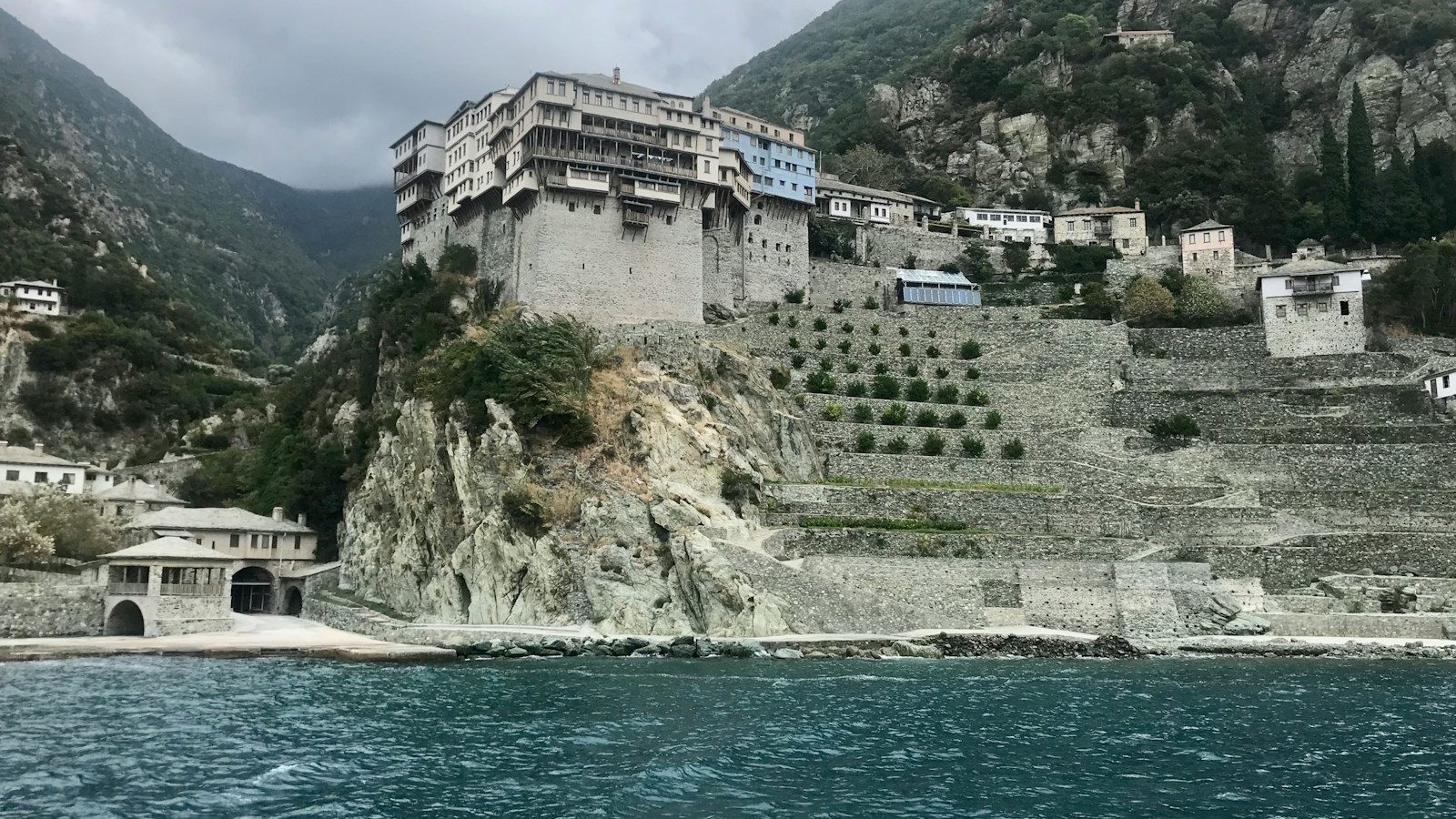
- Monasteries built on steep rocks, almost hanging over small coves.
- Smaller sketes (monastic communities) that look like tiny hamlets clinging to the slopes.
- Remote hermitages – single houses or caves, often high above the water.
Your guide will usually name each one and give a short story or historical detail. Don’t worry if you can’t remember all the names; focus on enjoying the landscape and taking a few meaningful photos rather than trying to document every building.
[random_authority_text]
What the sea is really like: wind, waves and comfort on board
Because we’ve done this route in all months of the season, we can tell you honestly: conditions vary a lot depending on the time of year and wind direction. This is not a glassy-lake cruise – you are out on the open Aegean, even if you are close to shore.
Seasonal feel on the Athos coast
- April–May: Cooler air, often beautifully clear skies and water. Seas are usually moderate, with some choppy days when north winds blow. Fewer crowds on board and more space for photos.
- June–August: Hot, bright and busy. The north winds (meltemi) can make the sea a bit bouncy in the afternoons, especially further south. Boats can be crowded in high season, so arrive early for good deck spots.
- September–October: Often the best compromise – warm enough, slightly softer light for photography, and the sea can be calmer, though autumn storms occasionally bring rougher days.
What to expect from the motion of the boat
- Most excursions use medium-sized boats with both indoor and outdoor decks – stable enough for families, but you will feel the swell.
- If you’re prone to seasickness, sit mid-ship and on the lower deck, where motion is reduced, and look at the horizon.
- On windier days the captain may adjust the route or distance from shore for safety and comfort – trust their judgement; they know this coastline extremely well. Sea and outdoor activities depend on weather and your own fitness level. Always follow local safety advice and skipper instructions.
For a more intimate, less crowded experience, some travellers prefer smaller sailing boats that cruise along the Athos coast without getting as close to every monastery but offer a calmer, more flexible day. If that style appeals to you, our article Why a Small-Group Sailing Trip Is the Best Thing to Do in Halkidiki in 2026 explains how those trips differ. You can also explore charter options via yachts.holiday if you’re planning a private sailing day along the Athos or Sithonia coasts.
Respectful photo tips: capturing Athos without crossing the line
Photography is one of the main reasons people book this trip, but the Holy Mountain is first of all a living spiritual community, not a museum. Over the years we’ve seen both beautiful, sensitive photography – and behaviour that clearly made monks uncomfortable. Here’s how to do it right.
Distance and zoom: how close your photos will really be
Because of the 500-metre exclusion zone, even on a calm day your boat cannot go right up to the monasteries. That means:
- Phone cameras: Modern phones can capture decent shots, but don’t expect close-up details of windows or faces. Use 2x or 3x zoom at most to avoid blurry, noisy images.
- Compact / mirrorless / DSLR: A lens in the 70–200 mm range is ideal; 300 mm gives you more detail but increases the risk of shake, especially in waves.
- Stability: Brace your elbows against your body or the rail, use burst mode, and avoid shooting just as the boat hits a wave.
Light and direction: working with the sun
Most boats run late morning to early afternoon, so you’ll often be shooting into or across strong sunlight. To help your photos:
- Stand on the side of the boat opposite the sun when possible to avoid harsh glare and reflections.
- Use your hand or hat to shade the lens if you see flare streaks across the frame.
- Consider switching to HDR mode on a phone to balance the bright sky and darker monastery walls.
Etiquette: what not to photograph
Even from the sea, a few basic rules of respect apply:
- No long-lens “people hunting”: Avoid trying to zoom in on individual monks, especially if they’re in private areas like balconies or courtyards.
- No drones: Flying drones around the Holy Mountain from a boat is inappropriate and may be illegal; it also disturbs the peace.
- Be discreet with sound: Turn off camera sounds and avoid loud commentary while the guide is explaining religious aspects.
- Ask before filming others: If you’re filming fellow passengers in close quarters, check they’re comfortable being in your video.
This approach keeps the focus on the landscape and architecture, which are impressive enough on their own, and shows respect for a community that has chosen a life of relative seclusion.
What to bring on board: practical packing list from a local perspective
After two decades of watching people either over-pack or suffer without the basics, here’s what genuinely helps on a Mount Athos boat trip:
- Light layers: Even on hot days, the wind on deck can feel cool, especially early in the season.
- Hat and sunscreen: There is limited shade on the open deck, and the reflection off the water is strong.
- Non-slip shoes: Decks can be wet; flip-flops are fine but something with a good grip is safer.
- Water and light snacks: Most boats have a small bar, but it’s wise to bring your own bottle and something simple to nibble on.
- Camera and spare battery: The route is longer than many expect, and shooting a lot of photos and video drains batteries quickly.
- Small bag or strap for your phone: We’ve seen more than one phone slip overboard during enthusiastic photo sessions.
- Motion sickness tablets (if needed): Take them before departure if you know you are sensitive.
If you’re combining the cruise with a walk or swim later on the Athos coast, bring swimwear and a towel but keep them in a separate bag – the deck can be salty and damp.
Who a Mount Athos boat trip suits – and who might prefer something else
Because you don’t disembark on the Holy Mountain, this trip is much more accessible than an actual pilgrimage. Still, it isn’t ideal for everyone. Based on guest feedback over many years, here’s an honest overview.
Great for
- Families with children: Kids usually enjoy the boats, seagulls and storytelling, as long as you bring hats, snacks and some patience for the commentary sections.
- Couples: The scenery is genuinely romantic, especially on calmer days, with dramatic cliffs and the mountain peak in the distance.
- Older travellers: You can sit comfortably, move around the deck as you wish, and still see a lot without strenuous walking.
- Nature lovers: The coastline is wild and untouched, with forests running down to the sea – it fits nicely if you’re already exploring quieter bays and forests elsewhere in Halkidiki, as in our guide Halkidiki for Nature Lovers: Forests, Mountains and Quiet Bays.
- History and culture enthusiasts: The commentary gives a good introduction to Byzantine and Orthodox monastic life.
Might not be ideal for
- Those who dislike boats: If you are very uncomfortable on the water, several hours at sea may feel long, even in calm conditions.
- Travellers expecting a “beach day”: This is not a swimming cruise; it’s more about viewing and learning, with the sea as the road.
- People who want silence: In high season, commentary in multiple languages and a full deck can feel busy; consider a smaller-group sailing option if you value quiet. Not sure where to start? Contact our local travel agency for friendly, personalised advice, seasonal offers and travel options.
Choosing a Mount Athos tour: honest tips before you book
With many boats offering similar routes from Ouranoupoli, it can be hard to see the differences. Here are some points we advise guests to check in advance:
- Boat size and capacity: Larger boats are more stable but can feel crowded in July–August. Smaller boats feel more personal but may be more sensitive to waves.
- Language of commentary: Make sure there is clear English (or your preferred language) commentary – otherwise you may miss most of the stories.
- Length of trip: A 3–4 hour cruise usually gives enough time to see the main monasteries without rushing; anything much shorter may feel like only a partial view.
- Departure time: Morning departures are usually fresher and slightly calmer; afternoon trips can have stronger winds but softer light later in the day.
- Refund or change policy in bad weather: In strong winds or storms, trips may be cancelled or modified for safety – ask how the company handles this.
If you’re already planning other boat activities in Halkidiki – such as sailing around Sithonia or snorkelling – it can be worth coordinating days so you don’t end up with several long days at sea in a row, especially with young children or older relatives.
Combining a Mount Athos cruise with other sea activities
Many travellers like to balance the more contemplative Athos cruise with a more active day on or under the water. The waters around Halkidiki are clear and rich in marine life, especially around Sithonia and the outer edges of the Athos coast.
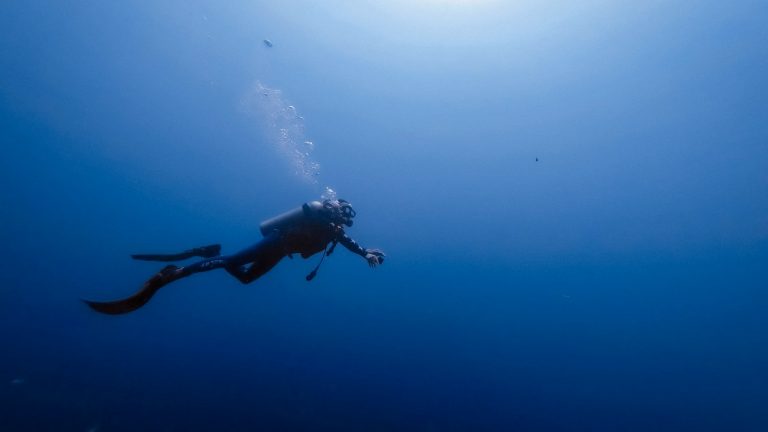
- Diving and snorkelling: If seeing the underwater world appeals to you, local centres such as portoscuba.com offer guided dives and snorkelling in suitable areas of Halkidiki, with proper safety standards.
- Sailing days: A full-day sailing trip, with swimming stops at quiet bays and coves, gives you a very different feel to the coastline compared with the more structured monastery cruise.
Spreading these activities over a few days keeps the experience varied and lets you enjoy both the spiritual and the natural sides of the Aegean without rushing.
Weather, safety and last checks before you go
Conditions around the Athos peninsula can change quickly, and the combination of sun, wind and open water deserves respect. Always check a reliable forecast – for example, the official Hellenic National Meteorological Service or a trusted marine forecast – on the day before your trip. For a quick visual overview of conditions around the peninsula, you can also consult .
- Follow the crew’s instructions, especially when moving around the deck or leaning on rails for photos.
- Keep an eye on children at all times – excitement and moving boats don’t mix well if they are unsupervised.
- On very hot days, protect yourself from sunstroke; the combination of breeze and reflection can fool you into thinking it’s cooler than it is. Sea and outdoor activities depend on weather and your own fitness level. Always follow local safety advice and skipper instructions.
If you’re unsure whether a particular day is right for elderly relatives or very young children, speak to your accommodation host or a local agency; we can usually give you a realistic sense of how choppy it is and whether postponing is wiser.
Why a Mount Athos boat trip is still worth it in 2026
Even after watching hundreds of boats come and go from Ouranoupoli over the years, we still find the Athos coastline moving. The combination of wild nature, centuries-old monasteries and the quiet line of the sea between you and the shore is unlike anything else in Halkidiki.
It’s not a luxury cruise or an adventure expedition – it sits somewhere in between: a slow, thoughtful journey along a coastline that has changed remarkably little over a thousand years. If you go with realistic expectations, respect the monks’ privacy, and give yourself time to simply look rather than chase the perfect photo, a Mount Athos boat trip can become one of the most memorable days of your stay in Halkidiki.
For a deeper dive into the history and legends behind what you’ll see from the deck, don’t miss our background guide to the Holy Mountain’s past. And if you’re building a full itinerary around the sea – from sailing to nature walks and quiet bays – our wider Halkidiki guides will help you plan everything smoothly. Want the full picture? Read our in-depth Halkidiki travel guide before you book.