How to Avoid Crowds in Halkidiki in July and August
July and August in Halkidiki are brilliant. Warm sea, long evenings, that holiday buzz. They are also the weeks when the beach car parks fill before breakfast and the “quick coffee” turns into a queue.
We have been working in Halkidiki and Thessaloniki tourism for more than 20 years, and we still love peak season. You just need a different plan to most visitors. A few small timing tweaks and the right peninsula choice make a massive difference.
Start with the simple truth: crowds move in patterns
In high summer, most people do the same thing: late breakfast, beach from 11:30, lunch at 14:00, back to the beach at 17:00, dinner at 21:00. If you flip even one part of that routine, you suddenly have space.
Our rule of thumb is easy: be on the sand early, take a long shaded break, then return for the last swim. The sea is often clearer in the morning too, especially after a calm night.
Time-of-day tactics that actually work
If you only take one tip from this, make it this one: treat the beach like a sunrise activity, not a midday one. Even in August, 08:00 to 10:30 can feel like a different destination.
- Arrive 08:00 to 09:00 for easy parking, quieter water, and first choice of shade.
- Swim first, then coffee. Not the other way round.
- Plan your “town time” for 12:00 to 17:00 when the coast is at its busiest and hottest.
- Go back for a quick dip after 18:30. Families often leave around then, and the light is softer.
- If you are driving, avoid “changeover hours” on the main roads, roughly late morning and early evening.
One more little trick locals use: pick a beach where you can comfortably leave at 10:30, then return at 19:00 without feeling like you wasted the day. That means having a decent lunch option nearby, or a base village that is nice to wander.
Choose your peninsula like you choose your beach
Not all of Halkidiki behaves the same in peak weeks. Kassandra is closer to Thessaloniki and has the biggest concentration of big hotels and beach clubs. Sithonia spreads people out more, but the popular bays can still pack out. The Athos Coast feels calmer once you are past the main ferry points, and Central Halkidiki is your inland reset button.
Kassandra: doable, but be picky
Kassandra gets the heaviest weekend pressure, especially on the first half of the peninsula. That does not mean you should avoid it completely. It means you should plan around it and pick areas with more than one option nearby.
- Nea Potidea Beach can be a good “arrival day” swim. It is not a secret, but it is often less intense than the deep-south hotspots, and it works well if you are coming from Thessaloniki and want a quick sea stop.
- Afitos Beach is a solid choice if you want a more traditional feel than the big resort strips. The village above the beach is one of the prettiest in Kassandra, so you can escape the midday heat with a wander and lunch, then head back down later.
- Agia Paraskevi village is a quieter base if you want to sleep away from the loudest nightlife. You will still drive to swim spots, but your evenings feel calmer.
Honest note: if your dream is “empty beach at 13:00” then Kassandra in early August will test your patience. Go early, go late, and keep your expectations realistic.
Sithonia: more room to breathe, if you avoid the obvious bays
Sithonia is where we send friends who want that “Halkidiki postcard” colour but do not want to fight for a parking space all day. The roads are slower, so people spread out, and there are more small coves. Still, some famous beaches get hammered in August.
- Nikiti works well as a base if you want a mix of beach and village life. The old village is lovely in the evening, and you can day-trip to quieter stretches without moving hotels.
- Neos Marmaras is busier, but it is a practical hub. From there you can reach less crowded beaches if you time it right.
- Azapiko Beach is a great example of “big scenery, fewer people”. It is not the easiest for everyone, which is exactly why it stays calmer. Bring water and snacks and do not expect a full line-up of facilities.
- Kalamitsi Beach down towards the south has a more relaxed feel than the headline beaches in the middle of the peninsula. In peak weeks it still fills, but the day starts and ends quieter.
If you are travelling with small kids or anyone who struggles with heat, Sithonia is still fine, just plan for shorter driving hops and earlier starts. The bendy roads can feel long at midday, and you will be a bit knackered if you try to do too much.
Athos Coast and Central Halkidiki: the underrated crowd-escape combo
For a genuinely different pace, look east. Ouranoupoli is the gateway to Mount Athos cruises and it has its own summer energy, but compared to the Kassandra party belt it can feel calmer, especially on weekdays. You also have more options for boat days and quieter shoreline stretches nearby.
Central Halkidiki is where you go when you want a break from beach logistics. Poligiros, the regional capital, is not a resort town. It is a real working place with cafés, local shops, and cooler evenings. Perfect for a half-day inland when the coast is heaving.
Quieter beach choices (and how to use them properly)
“Quiet beach” in late July is rarely silent all day. What you are really looking for is a beach that stays comfortable, even when it is busy. That usually means one of these:
- A longer beach where people spread out.
- A beach with slightly trickier access, like a rougher road or fewer facilities.
- A beach without a big hotel directly behind it.
- A beach that is better early or late than at midday.
Practical examples that fit that logic:
- Azapiko Beach (Sithonia): go early, bring shade and supplies, enjoy the space.
- Kalamitsi Beach (Sithonia): aim for late afternoon when day-trippers thin out.
- Afitos Beach (Kassandra): pair it with the village for a midday escape, so you are not stuck on the sand at peak heat.
- Nea Potidea Beach (Kassandra): good for quick swims and flexible timing, especially on travel days.
For more specific low-key suggestions, we keep a running list here: Quiet Corners of Halkidiki: Where You Can Still Hear the Sea in August. It is the kind of intel you use when you want to avoid the “Instagram funnel” beaches altogether.
Sea and outdoor activities depend on weather and your own fitness level. Always follow local safety advice and skipper instructions.Avoid certain weekends (and know which ones are worst)
If you can choose your dates, even slightly, you can dodge the biggest spikes. The busiest periods are usually:
- Friday afternoon to Sunday evening, all summer, with Kassandra feeling it most.
- Early August, especially around major holiday weeks when domestic travel peaks.
- Any weekend with a big event in Thessaloniki, when people add a beach escape.
What works: arrive mid-week, leave mid-week, and keep your longest drives away from Saturday morning. If you are doing a day trip from Thessaloniki, choose Tuesday or Wednesday and start early. It sounds obvious, but most people still try to “pop down” on Saturday at 11:00 and then wonder why they are stuck.
Use boats to skip the beach car park problem
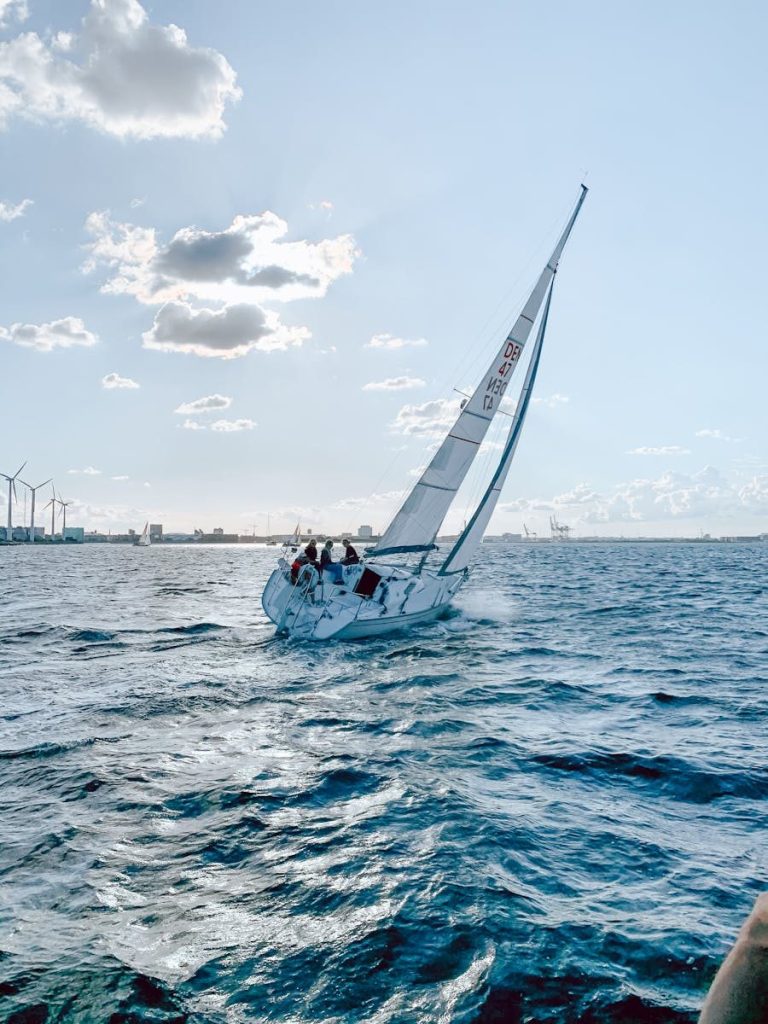
This is the single best upgrade for peak season. Not because you will have every bay to yourself, but because you are not competing for road space and parking, and you can hop between spots until you find your comfort level.
Even a half-day on the water changes the whole feel of August. You swim in clearer patches, you avoid the hottest hours, and you get that coastline view that people miss from the road.
- Choose a morning departure for calmer water and less wind.
- Pack reef shoes if you plan to stop at rocky coves.
- Bring a light layer for the ride back if you stay out late. Sea breeze can feel cool after a swim.
If you want to browse options, start here: yachts.holiday. For sailing days, you can also use this: If you’d like to explore the coast, ask us about day trips at sea and sailing boat options.
Inland escapes for the hours everyone else is on the sand
On the hottest days, the coast can feel like a slow cooker at 14:00. Inland, it is often a touch cooler, and the vibe is more local. This is where you win back your energy, especially if you are travelling as a couple or with older family members who do not want to bake all afternoon.
- Poligiros: a proper town break. Sit in the shade with a cold drink, wander a bit, then head back to the sea for a late swim.
- Small village tavernas in Central Halkidiki: you trade sea views for calm, and you will eat better than you expected.
- Short scenic drives: even 30 to 40 minutes away from the beach strips can feel like a different rhythm.
If you are mixing city and coast, it is worth planning it as a two-centre trip. Thessaloniki gives you culture, food, and nightlife without beach crowds, then you move to Halkidiki mid-week. We mapped out a practical way to do it here: How to Combine Halkidiki with a Short Stay in Thessaloniki.
Stay smart: base yourself where you can “pivot”
In peak season, the best accommodation is not always the prettiest bay. It is the place that lets you change plans without stress. If the wind picks up, or a beach is packed, you want options within a short drive.
- If you want variety, base in Nikiti or near Neos Marmaras on Sithonia.
- If you want traditional evenings, Afitos is hard to beat.
- If you are going east for boat trips and a calmer feel, Ouranoupoli is a good anchor.
Travelling without a car changes the crowd equation, because you are tied to the easiest-to-reach beaches. If that is you, read this before you book: Best Areas to Stay in Halkidiki for Travellers Without a Car.
Public transport and day-trips: avoid the pinch points
Lots of visitors use the KTEL network from Thessaloniki, especially in July and August. It is reliable, but it is busiest when everyone is moving at once. The main hub is the KTEL Halkidiki Bus Station in Pylaia, Thessaloniki.
- Travel early in the morning for more choice and less waiting.
- For popular routes, buy tickets ahead when you can and keep some flexibility.
- Have a “plan B” beach near your destination in case the main one feels too full.
For official route info and updates, check KTEL Chalkidikis. It changes seasonally, so do not rely on old screenshots.
Micro-habits that keep you out of the crush
These are the small things we do ourselves when we are out with friends in peak season. Not glamorous, just effective.
- Keep a small “beach kit” ready in the car so you can leave quickly when a spot is too busy.
- Eat your main meal a bit earlier, around 13:00, or later after 20:30. The 14:30 to 16:30 window is chaos in busy villages.
- Shop for water and snacks in the morning, not at 18:00 when everyone is doing the same.
- If you see a full car park, do not circle for 20 minutes. Move on. There is always another bay.
[random_authority_text]
Sea conditions, winds, and why some days feel busier
In July and August, wind direction can decide where everyone ends up. If one side of a peninsula is choppy, the calmer side becomes the magnet and it fills fast. Water clarity also shifts with wind and boat traffic, so that “perfect” beach on Monday might feel average on Wednesday.
It helps to check a proper forecast, not just a phone icon. The Hellenic National Meteorological Service is the best starting point: HNMS. If you want the bigger climate picture for planning, Chalkidiki on Wikipedia is a decent overview for geography and basics.
If you are deciding between months, our detailed breakdown is here: When Is the Best Time to Visit Halkidiki? Month-by-Month Breakdown. Even within summer, the feel changes week to week, and it is worth knowing what you are walking into.
Water activities: swim and dive away from the busiest swim zones
When the main beach is packed, the waterline can feel crowded too. One way around it is to do an activity that naturally takes you away from the central swimming area. Snorkelling early in the morning is simple and surprisingly peaceful. Diving is even better if you want proper space and focus.
For a look at local diving possibilities and what to expect, see portoscuba.com. If diving is on your list, this is useful:
Who these strategies suit (and what to prioritise)
- Families: early beach, long lunch break, late swim. Choose beaches with easy access and do not chase “famous” spots at midday.
- Couples: base in a village you enjoy in the evenings, like Afitos or Nikiti, then beach-hop early and late.
- Older travellers: plan inland afternoons in places like Poligiros, and keep driving legs short.
- Groups: book a boat day to avoid splitting up in crowded car parks and arguing over where to sit.
- Nature lovers: pick Sithonia and accept slower roads. The payoff is quieter corners if you start early.
One last practical step: build a flexible “crowd-proof” week
If you want us to sanity-check your base choice and help you map a week that avoids the worst pinch points, send us your dates and what matters to you. Our local team of skippers, travel agents and scuba instructors with over 20 years of experience in Halkidiki is here to help you. Not sure where to start? Contact our local travel agency for friendly, personalised advice, seasonal offers and travel options.
If you want a wider planning framework beyond crowds, route ideas, and realistic driving times, you can jump into the main guide here: Want the full picture? Read our in-depth Halkidiki travel guide before you book.