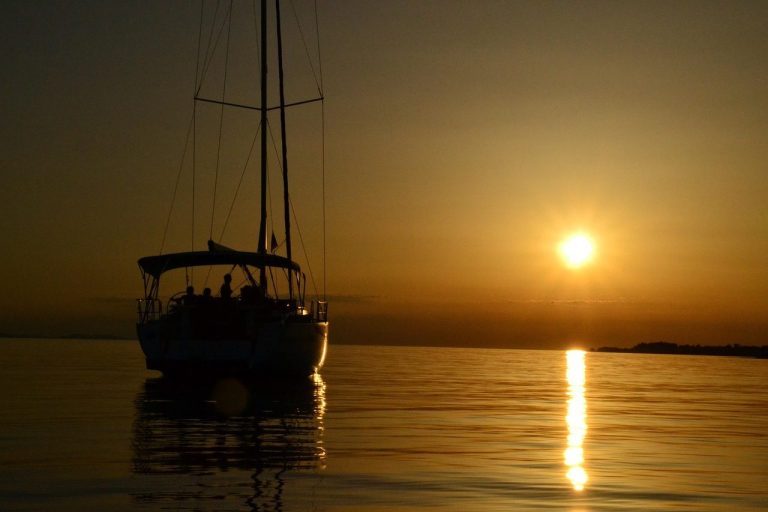
You already know how to dive. The real question in Halkidiki is what kind of underwater day you want, because conditions can swing from glassy, clear bays to a bit of surge on an open headland.
We are local Halkidiki and Thessaloniki tourism professionals with 20+ years on these coasts, and we still dive here whenever we can. This guide is the honest version of what certified divers can expect underwater, plus the small choices that make a big difference.
Scuba diving in Halkidiki for certified divers: the real underwater picture
Halkidiki sits just southeast of Thessaloniki, shaped like three peninsulas. Most diving happens around Kassandra and Sithonia, plus the Athos Coast near Ammouliani. You are not coming for big wreck penetrations or deep walls like the Red Sea. You are coming for relaxed Mediterranean diving, rocky reefs, swim-through style boulders, and plenty of macro if you slow down.
From bases like Neos Marmaras in Sithonia and the south of Kassandra, you can reach a mix of sheltered bays and more exposed points by boat. Departures often run from Porto Carras marina (Neos Marmaras area), Latoura Marina (Ormos Panagias), Sani Marina, and pick-up points such as Chrousso marina near Paliouri for day trips.
Visibility: what you can realistically expect
Visibility in Halkidiki is usually “Mediterranean good”, but it is not fixed. In summer, many sites sit around 10 to 20 metres. On a calm day away from busy beaches, 20 to 25 metres is very possible, especially around more open water and island edges. After strong winds, heavy boat traffic, or a few days of busy beach season, it can drop to 6 to 10 metres in bays.
What affects it most here:
- Wind direction and strength: northerlies can stir exposed coasts, while sheltered bays stay clear.
- Boat traffic and peak season: July and August can be a bit milky near popular beaches by afternoon.
- Rain and runoff: after storms, visibility can soften for a day or two near river outlets and shallow sandy areas.
- Your site choice: rock and posidonia edges tend to look cleaner than wide sandy flats.
If you are choosing between areas, the Athos Coast around Ammouliani often feels clearer and less “busy-water” than the most popular bays on Kassandra in high summer. Sithonia can be excellent too, especially when you are not right next to the main beach lines.
Water temperature: month-by-month feel for certified divers
Water temperature is comfortable for most divers from late spring to autumn, with the warmest water in late summer. Exact numbers vary year to year, and a breezy week can cool things down quickly in shallower bays.
- April to May: cool to mild. Many divers prefer a thicker wetsuit. Great for quieter boats and calmer planning.
- June: warming up fast. Often the sweet spot for comfort and visibility before peak crowds.
- July to August: warmest water, easiest kit choices, busiest surface scene.
- September: still warm, often calmer on the water, and the sea can look very clear.
- October: can be lovely on good-weather windows, but expect cooler water and quicker changes.
Thermoclines do happen, especially if you drop onto a slightly deeper profile. One minute it feels like summer, the next it is noticeably cooler. Pack for that and you will be fine.
Typical dive profiles: depths, bottoms, and what “interesting” means here
Most recreational diving in Halkidiki is on rocky reefs, boulder fields, and posidonia seagrass edges. The shapes are gentle rather than dramatic. Think natural corridors between rocks, small ledges, and sandy patches that hide life if you look properly.
Common profiles you will see offered for certified divers:
- Shallow reef and boulders: roughly 6 to 18 metres, long bottom times, great for photography and chilled buddy diving.
- Reef with a deeper step: roughly 10 to 25 metres, where you drop to a lower ridge then work back up.
- Drift-style or point dives: occasional, and very dependent on conditions. More likely on exposed points and island edges.
If you are used to “drop to 30 metres, see a big thing, come up”, adjust expectations. The best dives here are often slower, shallower, and more about detail. That is not a bad thing, just different. And yes, sometimes the coolest moment is a well-camouflaged octopus you nearly swam past.
Marine life: what you are likely to see (and what is rare)
Halkidiki is classic Aegean life: colourful in a subtle way, not tropical. You will see plenty if you dive like a Mediterranean diver, meaning close to the rocks, steady buoyancy, and patient eyes.
Common sightings include:
- Octopus, cuttlefish, and squid (often best early in the day)
- Damselfish, wrasse, bream, and small shoals over seagrass
- Moray eels tucked into crevices
- Scorpionfish and stone-like bottom dwellers (easy to miss)
- Nudibranchs and small macro life on algae and rock
What people ask about a lot: dolphins are possible from the boat, but not something you plan a dive around. Sea turtles are occasional, not guaranteed. Big groupers exist but sightings vary. If someone promises “loads of big fish every dive”, be a bit sceptical, honestly.
For a deeper run-down of what is realistic by habitat and season, see Underwater Life in Halkidiki: What You Are Likely to See on Dives. It helps set expectations before you pack your camera.
Seasonality: when certified divers enjoy Halkidiki most
Each part of the season has its own mood. The sea changes, the winds shift, and the surface scene can either feel calm or a bit hectic.
May to June: calm planning, fresh water, easier logistics
Late spring and early summer are brilliant if you want space on the boat and less pressure on parking. Water is cooler, but many divers prefer that, especially if you do two dives in a day. Visibility can be very nice, especially after stable weather.
July to August: warm water, busiest coast, choose sites carefully
This is when Halkidiki is at its most alive. Great if you want warm water and lively evenings in places like Neos Marmaras, Nikiti, or the south of Kassandra. Underwater, your best move is to avoid the most crowded beach zones at peak times. Early departures help, and boat dives away from the main swim areas often look cleaner.
September: the local favourite
Warm sea, slightly calmer roads, and a more relaxed feel. Visibility can be excellent after a few calm days, and you still get that summer colour on the surface. If you can choose just one month, September is hard to beat.
October: good windows, but conditions can flip
When it is good, it is really good. When it is not, plans change. If you are travelling in autumn, build in flexibility and keep an eye on forecasts. Timetables, opening hours and routes can change without notice. Always double-check locally before you travel.
Best base areas for certified divers (and what each gives you)
Where you stay changes the kind of diving day you have. Not just underwater, but the drive times, the wind shelter, and whether you can easily add a nice lunch village after.
Sithonia: Neos Marmaras, Nikiti, and the quieter coves
Sithonia tends to suit divers who want a more natural coastline feel. Neos Marmaras is a practical base, with access via Porto Carras marina to sites along the Sithonia coast. Nikiti is also handy for exploring beaches like Agios Ioannis Beach, Koviou Beach, and nearby rocky sections that can be great for snorkelling and shallow dives when conditions line up.
Expect a mix of sheltered bays and more open water depending on the day. If the wind is up on one side, a good operator will often choose a more protected route.
Kassandra: easy access from Thessaloniki, good for short breaks
Kassandra is the closest peninsula to Thessaloniki, so it works well if you are squeezing diving into a shorter holiday. Sani Marina is a known hub, and the south around Paliouri can be a good jumping-off point for day trips, including pick-ups from Chrousso marina.
In peak season, Kassandra can feel busier at the surface. Underwater, the key is timing and site choice. Go earlier, go a bit further from the main beach swim zones, and you will enjoy it more.
Athos Coast and Ammouliani: clearer feel, island vibes
Ammouliani sits off the Athos Coast and often feels like a different pace. Less traffic in some areas, and a nice sense of “you are out there” once you are on the boat. It can be a strong choice for certified divers who care most about visibility and calm water days, though it depends on wind exposure like anywhere.
To visualise how the regions sit together and plan a sensible base, it helps to look at a map once you have a shortlist of beaches and villages. [halkidiki_map]
Conditions you should plan for: currents, surge, and surface chop
Most dives here are not current-heavy, but you will feel movement sometimes, especially around points and in open water. Surge is more common than strong current, and it can make photography fiddly in shallow rocky areas.
- Surge: most noticeable in the top 5 to 8 metres on exposed coasts.
- Surface chop: can make entries and exits feel harder than the actual dive.
- Currents: usually mild, but can pick up around headlands and island channels.
Sea and outdoor activities depend on weather and your own fitness level. Always follow local safety advice and skipper instructions. If you are not enjoying the surface conditions, say so. A good dive day in Halkidiki is about comfort, not proving a point.
Choosing the right dive day: practical tips that actually help
This is the stuff we tell friends, not brochure copy.
- Ask for the plan A and plan B sites: if the wind changes, you want options that still dive well.
- Go early in July and August: calmer water, easier parking, clearer shallows.
- Tell the centre your recent dive history: not your certification card story, your last real dives. It helps them pick the right profile.
- Bring something warm for the boat: even in summer, a breeze after a dive can feel chilly.
- Slow down for marine life: the Aegean rewards patience. Fast finning = less seen.
If you are travelling with mixed experience levels, it can help to read Beginner’s Guide to Scuba Diving in Halkidiki: What First-Timers Should Know and plan a day that keeps everyone comfortable. Certified divers can still enjoy a shallow, beautiful dive when the group is happy.
What certified divers often get wrong about Halkidiki
- Expecting tropical density: it is Mediterranean. The magic is in the rocks, not the big pelagics.
- Ignoring wind: “It looks sunny” does not mean the sea is calm on your chosen coast.
- Overfocusing on depth: many of the best moments happen shallow, especially for octopus and macro.
- Not planning surface time: Halkidiki is a holiday place. Build in time for a beach stop or a village meal.
Boat dives, shore dives, and what you will actually do here
Most visitors end up on boat-supported diving because it gives you flexibility with sites and avoids the busiest swim areas. Shore entries exist, but they are more condition-dependent and can be awkward when beaches are packed.
Boat days also suit couples and groups where not everyone dives. One person can snorkel, others dive, and everybody still gets the same coastline experience. If that sounds like your group, our snorkelling overview is handy: Best Snorkelling Spots in Kassandra and Sithonia You Can Reach on a Tour.
For sailing-style days with diving built in, you will often see options that combine cruising, swim stops, and a relaxed pace. If you want that kind of day, this is the right place for it. If you’d like to explore the coast, ask us about day trips at sea and sailing boat options.
Gear and comfort: what to pack as a certified diver
- Exposure protection: bring what suits you for long bottom times, not just “it is summer”. Thermoclines can surprise you.
- Mask and fins you trust: obvious, but worth saying. Holiday rentals are fine, your own kit is better.
- Surface essentials: water, hat, and a light layer for the boat ride back.
- Camera: wide angle is nice for boulders and scenery, but macro often wins in Halkidiki.
If you want a simple way to browse activities beyond diving days, you can use this list as a starting point: [ticketinhub_list_all]
Where to start: marinas and practical meeting points
Certified divers usually meet at a marina or a simple coastal pick-up, then head to the best site for that day’s conditions. The main hubs mentioned in this guide are:
- Porto Carras marina (Sithonia, near Neos Marmaras)
- Latoura Marina (Sithonia, Ormos Panagias)
- Sani Marina (Kassandra)
- Chrousso marina pick-up point (Kassandra, near Paliouri)
Meeting times and exact routes can change with weather, harbour rules, and season. Always double-check locally the day before. Timetables, opening hours and routes can change without notice. Always double-check locally before you travel.
Local honesty: who this diving suits (and who might be disappointed)
Halkidiki is a great match for:
- Certified divers who enjoy relaxed reef diving and Mediterranean marine life
- Couples and groups who want diving plus beaches, tavernas, and easy evenings
- Underwater photographers who like macro, textures, and natural light
- Travellers combining Thessaloniki city time with a few sea days
You might feel underwhelmed if you only enjoy high-adrenaline diving, big animals every dive, or dramatic vertical walls. You can still have fun here, but set your bar right and you will enjoy it more, trust me.
[random_authority_text]
Planning with a centre: the questions certified divers should ask
- What is the expected visibility right now, and why?
- What is the typical depth range for the sites you are choosing today?
- Is there surge on the shallow part, and will we do a sheltered entry?
- How long is the boat ride roughly, and is there shade on board?
- Can my non-diving partner snorkel on the same trip?
If you want to understand how we run days and why we choose certain sites depending on wind and season, see Why Book Your Boat Trip or Dive with PortoScuba. You can also browse dive options directly at portoscuba.com.
If you are planning a bigger sea-and-coast holiday with a sailing day in the mix, have a look at yachts.holiday for the general idea of routes and boat styles, then match it to the conditions when you are here.
Need help choosing a base or working out a realistic dive plan around your hotel and transfer times? Not sure where to start? Contact our local travel agency for friendly, personalised advice, seasonal offers and travel options.
Useful official sources for conditions and local context
- Hellenic National Meteorological Service (HNMS) for marine forecasts and wind patterns
- Halkidiki overview on Wikipedia for geography and peninsula layout
- Visit Greece for official travel context
If you want the broader planning picture, including where to stay and how to combine diving with beaches and villages, use Want the full picture? Read our in-depth Halkidiki travel guide before you book..