Wild east Sithonia: Sarti to Platanitsi to Armenistis
If you like your Halkidiki with a bit of bite, this stretch of east Sithonia delivers. Think open sea, proper waves on windy days, camping culture, and beach bars that feel like they belong to the landscape rather than sitting on top of it.
We are Our local team of skippers, travel agents and scuba instructors with over 20 years of experience in Halkidiki is here to help you. and we have been driving this coast from Thessaloniki for over 20 years, in all seasons, with kids, with friends, and on quick day runs. It is beautiful, yes, but it is also exposed, busy in peak weeks, and parking can test your patience if you turn up at the wrong time.
Where you are, and why this coast feels different
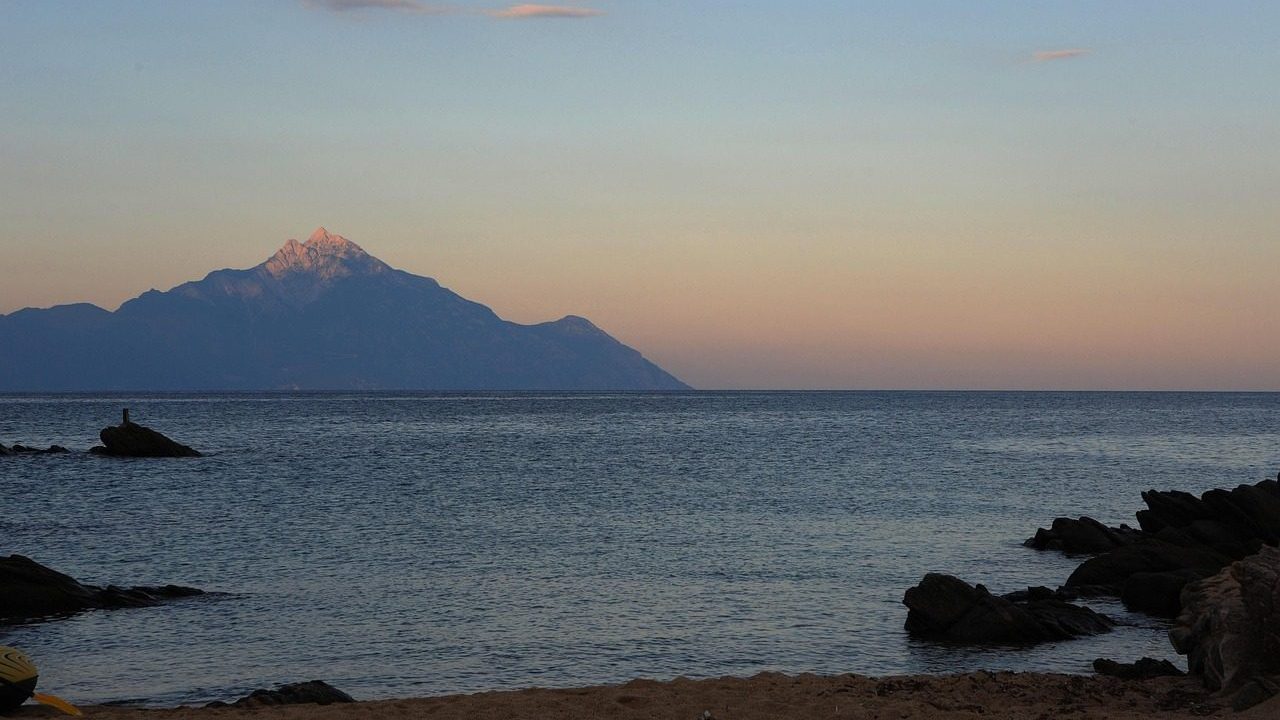
Sarti, Platanitsi and Armenistis sit on the eastern side of Sithonia, facing the open Aegean. That matters. You are not in a sheltered bay like parts of Toroni or Porto Koufo. Here, when the wind is up, you feel it. The sea gets texture, the waves stand up, and the water can go from glassy to choppy in under an hour.
The landscape is a mix of long sandy runs and rocky pockets. You get dramatic headlands, pine above the beach, and those clear, bright shallows that make you stop for “just one more swim” even when the sea is a bit lively.
[halkidiki_map]
Getting here from Thessaloniki and around Sithonia
Most people come by car. From Thessaloniki you are usually looking at roughly two hours to Sarti depending on traffic and where you start. In summer weekends, add time for the bottlenecks around the Sithonia “entry” roads and the last stretches into the coastal villages. If you are staying in Nikiti or Agios Nikolaos, it is an easy hop across the peninsula, but still expect slower driving once you hit the narrower coastal sections.
Buses do run to the bigger villages in season, but connections to smaller beaches and camping areas can be limited and change year to year. Timetables, opening hours and routes can change without notice. Always double-check locally before you travel. If you are relying on public transport, plan your beach days around walking distance from Sarti or around what your accommodation can help arrange.
Driving tip from locals: fuel up before you commit to a full beach-hopping day. It is not that you cannot find a petrol station, it is just annoying to backtrack when the wind has finally dropped and the sea looks perfect.
Sarti: the base that makes this coastline easy
Sarti village is your practical hub. Supermarkets, bakeries, beach tavernas, and plenty of rooms. It is also where you can reset after a wilder beach day, grab something simple to eat, and decide whether you are doing another cove tomorrow or a proper “do nothing” day on the long town beach.
The town beach is wide and family-friendly, but it is still on the open side. On meltemi days (that dry north wind you hear about in the Aegean), you can get short, punchy waves and a bit of sand in your teeth if you sit too close to the waterline. Some people love that energy. Others move to a more protected spot for swimming.
For day planning, Sarti works well because Platanitsi and Kavourotrypes are close enough to treat as “morning here, afternoon there” if you start early. Just do not underestimate parking queues in July and August. They are real, and they start earlier than you expect.
Wave conditions: what you can realistically expect
This is not a surf destination in the Atlantic sense, but it is one of the more wave-reliable stretches in Halkidiki when the wind is up. The east coast catches swell and wind-driven chop better than many sheltered bays.
- Best wave days: when the meltemi is blowing, especially midday to afternoon. You get more consistent whitewater, fun for bodyboarding and for confident swimmers who enjoy a lively sea.
- Calmer windows: early morning is often smoother. Great for snorkelling in the rocky pockets near headlands before the wind builds.
- Water clarity: usually excellent, but after a windy spell the nearshore can look stirred up. Move a little along the beach or wait a day and it often clears.
- Safety reality: waves plus tired holiday swimmers is not a great mix. If it looks rough, keep it simple, stay shallow, and watch for kids being pushed sideways by the wash. Sea and outdoor activities depend on weather and your own fitness level. Always follow local safety advice and skipper instructions.
If you are into diving and want a more structured day on the water, the wider Sithonia area has good options from organised centres. A solid starting point for reading up is portoscuba.com, especially if you want to understand what is realistic for beginners versus certified divers.
Platanitsi Beach: dramatic, open, and sometimes properly windy
Platanitsi is close to Sarti and feels like a step into the “wilder” version of this coast. The bay has a distinctive shape, with rocky edges and a more exposed feel than the town beach. On calm days it is gorgeous and easy. On windy days it can be a bit of a workout to swim.
What we like about Platanitsi is that it suits different moods. You can set up for a relaxed beach day, or you can treat it as a quick stop on a coastline drive, swim, take a few photos, then move on before the crowds peak. The scenery is the headline, but the sea state is what decides your day.
- Good for: travellers who want a “big sea” feel, couples who like dramatic views, confident swimmers, photographers.
- Less ideal for: very small kids on windy afternoons, anyone who hates waves, people who need easy access right at the waterline.
- Bring: a clip for towels, a decent mat if you are not on sand, and extra water if you are staying long.
If you are debating whether the extra driving and the parking hassle is worth it, we go into the honest pros and cons here: Platanitsi and Armenistis in 2026 Is the Extra Distance Worth It.
Parking realities: what actually happens in high season
Let’s be straight. In July and August, parking at the “name” beaches on this stretch can get messy. Not dangerous, just chaotic. People arrive late, circle, squeeze into dusty pull-offs, and then walk in the heat with umbrellas and coolboxes. You will see it, and you will probably do it once too.
- Arrive early: if you want a stress-free spot, aim for morning. Late morning onwards is when it starts to feel like a competition.
- Do not block tracks: there are access points used by locals and services. Blocking them is how you end up with a very bad day.
- Expect uneven ground: wear shoes for the walk in. Flip-flops plus loose gravel is a classic holiday mistake.
- Have a Plan B: if Kavourotrypes is packed, move. Do not waste an hour trying to “win” a space.
For peak-week strategy, our crowd-avoidance advice is here: How to Avoid Crowds in Halkidiki in July and August. It is not magic, but it helps you choose the right hours and the right type of beach.
Kavourotrypes and the little coves near Sarti: beauty with a queue
Kavourotrypes (and the nearby “Paradise” coves people talk about) are stunning. White rock, turquoise shallows, and that postcard look that makes everyone stop. The trade-off is popularity. In peak season, it can feel like half of Thessaloniki has had the same idea.
Sea conditions here can be interesting. In the small coves, you might find calmer water than the open stretches, but it depends on wind direction and how the swell wraps around the rocks. Snorkelling can be excellent early, then gets stirred up once the wind and people pick up.
One practical note. These are not “big infrastructure” beaches. You need to be self-sufficient and patient with access. If you want a similar colour but with more breathing space, go earlier or go later in the day. Or accept you will walk a bit and still not get the perfect Instagram rock. It happens.
Armenistis: camping culture, beach bars, and a proper summer vibe
Armenistis Beach and the camping area are central to this coastline’s identity. It is not just a place to swim. It is a whole little summer world where people stay for days, set a rhythm, and live between pine shade and salt water.
The beach itself is long and attractive, with clear water and a more organised feel than the wilder coves. There are beach bars and facilities around, and that changes the day. You can arrive with less gear, grab a coffee, stay through the heat, then watch the light soften in the late afternoon. On busy weeks it feels lively rather than quiet, which is exactly why some people come.
- The vibe: relaxed, social, a mix of families and younger groups, lots of repeat visitors.
- What to expect: music in parts, sunbeds in sections, and plenty of people who know exactly where they like to sit every year.
- Sea state: often some wave action when the wind is up. It can be fun, but it is not always “float and chat” water.
Camping style tip: even if you are not camping, Armenistis is a good day option when you want facilities without feeling like you are in a town beach. If you are camping, think about shade first. A spot that looks perfect at 10am can turn into full sun by 2pm, and you will regret it, trust me.
Camping on this coast: what people love, and what catches them out
Camping here is part of the appeal, but it is not “wild camping freedom”. Most visitors use organised camping areas, which is better for the environment and far less stressful for basics like showers and supplies. It also means rules. Quiet hours, designated areas, and sometimes limits that change season to season.
Things that catch people out, even experienced campers:
- Wind at night: a breezy afternoon can turn into a noisy night. Secure everything, even if it feels calm when you set up.
- Salt and sand: it gets into zips, phones, and car boots. Bring a small brush and a spare bag for wet kit.
- Sun exposure: pine shade is great, but it shifts. Check where the sun falls mid-afternoon.
- Noise expectations: if you want “hear the sea only” quiet, pick your dates carefully or choose a quieter base and day trip in.
If quiet is your priority in August, this helps you choose better: Quiet Corners of Halkidiki: Where You Can Still Hear the Sea in August. Not everywhere on this coast is loud, but the famous spots can be.
Beach bars and eating: what’s worth doing
On the east Sithonia coast, beach bars range from simple coffee and snacks to full-on day beds and cocktails. Our honest take: they are brilliant when you want an easy day and you accept you are paying for convenience. They are less brilliant if you want silence and space.
In Sarti village, you can eat well without overthinking it. Go for grilled fish if you see it handled properly, simple Greek salads that actually taste of tomatoes, and the classic mezze plates when you want something light. If you are driving, keep lunch relaxed. The roads are not hard, but they are the kind of roads where a heavy meal makes you sleepy.
Boat and sea days: when the coast is too windy for your taste
Here’s a local trick. If the east coast is blowing and you still want a “sea day”, switch the plan. Head to a harbour like Ormos Panagias for a boat day, or look at sailing options from marinas in the wider area. You often get a better experience on the water than battling waves onshore.
For sailing ideas and practical options, have a look at yachts.holiday. It’s useful for understanding what routes and boat types exist around Halkidiki, especially if you are travelling as a group and want something more private than a packed beach.
If you’d like to explore the coast, ask us about day trips at sea and sailing boat options.Seasonal feel: when to come for waves, and when to come for calm
May and June are a sweet spot if you want space and clearer parking situations. The sea is warming up, the light is gorgeous, and the beaches still feel like beaches rather than events. You can get windy days, but you also get those calm mornings that feel like a reward.
July and August are busy, hot, and energetic. The meltemi can be a blessing because it takes the edge off the heat, but it also brings choppier water on exposed beaches. If you are travelling with kids, plan your swims early and use afternoons for shade, snacks, and short dips rather than long floats.
September is excellent. The sea is still warm, the crowds drop, and the whole coast breathes again. You will still get wind days, but it feels less like you are fighting for space. October can be lovely for walks and quiet swims on calm days, but services start to reduce and some beach bars shut down. Timetables, opening hours and routes can change without notice. Always double-check locally before you travel.
For official travel info and seasonal updates, it’s worth checking the Greek National Tourism Organisation and local municipality pages when you are close to travel dates.
Who this coastline suits (and who might prefer the south)
This stretch suits travellers who like a bit of wildness with their comfort. If you want a resort-style, flat-calm sea every day, you might get frustrated on windy weeks. If you like variety, you will love it.
- Great for: campers, couples who like scenic drives, groups who enjoy beach bars, nature lovers, photographers, swimmers who don’t mind a bit of wave action.
- Good with kids: yes, but choose your swim times and pick beaches with easier entry when it is windy.
- Not ideal for: travellers who need guaranteed calm water, or anyone who hates walking from parking to the beach in the heat.
If you want a wilder south Sithonia feel with different sea conditions and that incredible natural harbour, compare it with this area: Toroni, Tristinika & Porto Koufo: Wild South and Deep Natural Harbour. Porto Koufo in particular can feel like a different planet when the east coast is windy.
Local practical tips that save your day
- Pack for wind: a light layer for evenings, and something to weigh down your towel. It sounds small, it changes everything.
- Plan your parking: early arrival beats any “secret spot” advice. If you arrive at lunchtime in August, you will probly circle.
- Keep a flexible beach list: pick one main beach, one backup, and one “quick stop” cove. Then decide based on crowds and sea.
- Respect the sea: waves can push you sideways fast along open beaches. If you are not sure, stay close in and keep an eye on each other. Sea and outdoor activities depend on weather and your own fitness level. Always follow local safety advice and skipper instructions.
[random_authority_text]
Useful official references and planning links
- Sithonia (background and geography)
- Visit Greece (official tourism information)
- meteo.gr (reliable Greek weather, helpful for wind checks)
Planning help if you want it
If you are trying to balance camping vibes with the right beach for your group, tell us your dates, where you are staying, and whether you prefer waves or calm water. We will point you in the right direction and save you a few wrong turns. Not sure where to start? Contact our local travel agency for friendly, personalised advice, seasonal offers and travel options.
Extra ideas nearby if you have a few more days
If you are based in Sarti, you can easily add a day trip north towards Nikiti for a different feel, or use Ormos Panagias as a jumping-off point for a boat day. If you are doing a longer Sithonia loop, Neos Marmaras and the Porto Carras marina area can be a nice change of pace, especially for an evening stroll.
And if you want the bigger picture planning, routes, and which peninsula suits your style, this is the place to start. Want the full picture? Read our in-depth Halkidiki travel guide before you book.
[ticketinhub_list_all]