
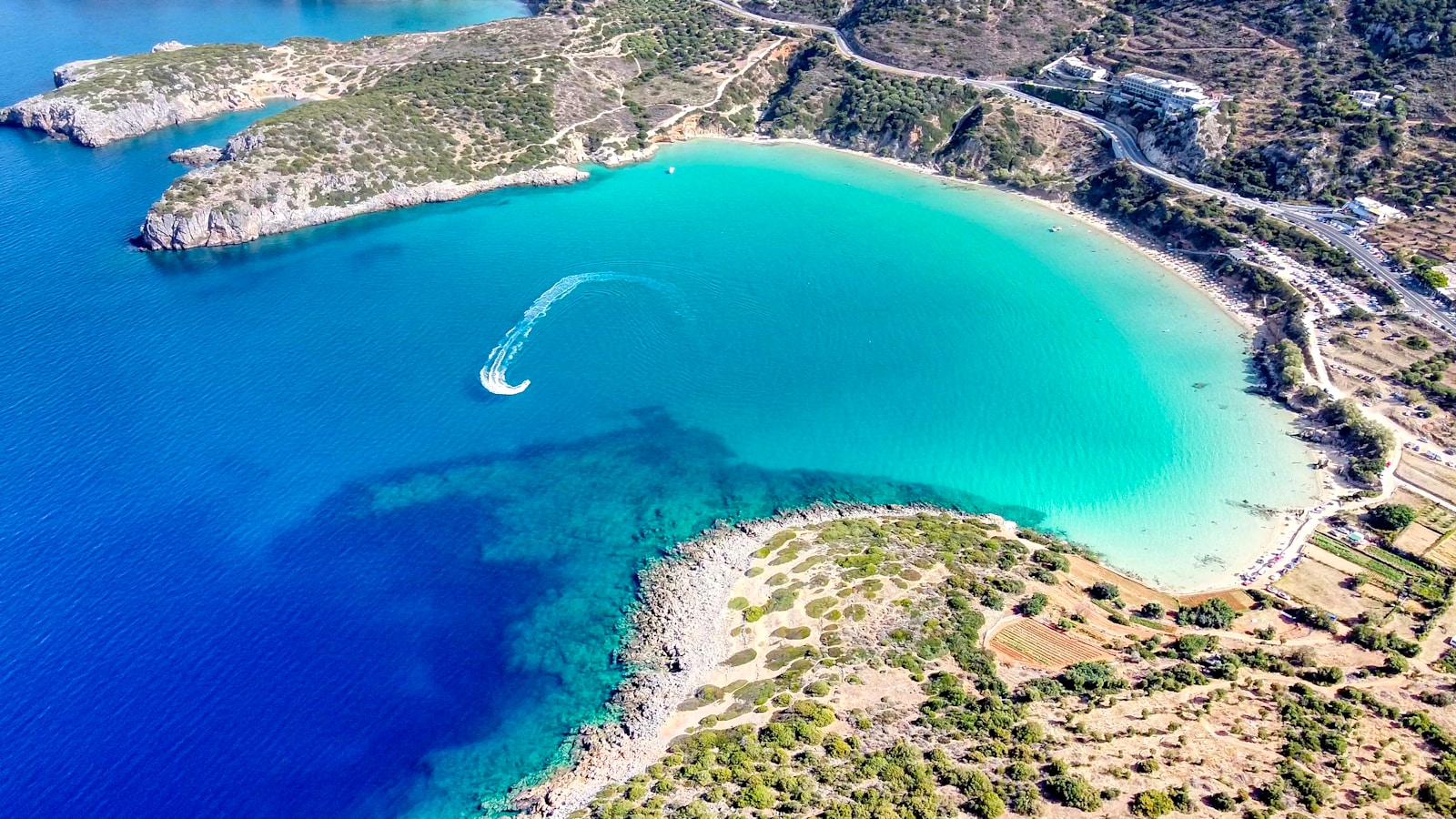
Valget mellom Halkidiki og de greske øyene for din neste strandferie
Hvis du vurderer Halkidiki kontra de klassiske greske øyene, er du ikke alene. Etter mer enn 20 år i reiseliv rundt Thessaloniki og Halkidiki, og utallige somre på begge sider – fastlandet og øyene – kan vi si at det ikke finnes ett «rett» svar, bare det som passer din stil best.
Nedenfor finner du en ærlig og praktisk sammenligning: sjøkvalitet, natteliv, typer folkemengder, behov for bil, transfer-tider og budsjettmønstre – akkurat de tingene som virkelig former ferien, ikke bare postkortbildene.
Hvor Halkidiki ligger og hvordan det sammenlignes med øyene i korte trekk
Halkidiki er den trefingrede halvøya sørøst for Thessaloniki i Nord‑Hellas. Det er ikke en øy, men i hverdagen føles det mye som en øyregion: furuskog, viker, sandstrender og små kystbyer. De tre «fingrene» er:
- Kassandra – livligst, nærmest Thessaloniki, med feriesteder som Pefkohori og Afitos.
- Sithonia – roligere, villere, med strender som Agios Ioannis og kyststrekningen nær Neos Marmaras.
- Athos coast – familievennlige steder og utsikt mot Mount Athos, med et roligere tempo.
De fleste flyr til Thessaloniki og fortsetter deretter med bil, taxi eller buss. Det er ingen ferge-etappe, og det er den største forskjellen fra øyer som Mykonos, Paros eller Naxos. Hvis du sammenligner bare praktisk tilgjengelighet, kan du også lese vår detaljerte guide om fastlandet kontra øyer med flyplasser på Halkidiki vs øyer med flyplasser: hva er enklere og hva føles best?.
Sjøkvalitet: klarhet, farger og strandstil
Det første folk spør om er ofte: «Er vannet i Halkidiki like bra som på øyene?» Ett ord: ja – og mange steder bedre enn du skulle tro.
Vannklarhet og farge i Halkidiki
Halkidikis slagord «like a secret island» er ikke bare markedsføring. På rolige dager ved Agios Ioannis i Sithonia eller rundt Sani og Afitos i Kassandra er vannet samme turkis du ser på Cyclades-bilder, ofte med mer grønt bak deg takket være furuskogene.
- Sithonia – sannsynligvis Halkidikis stjerne for sjøkvalitet. Vikene nær Neos Marmaras og den lange bukten ved Agios Ioannis imponerer ofte folk som har besøkt berømte øyer.
- Kassandra – strekningen fra Afitos til Pefkohori har lange sandstrender og klart grunt vann, særlig attraktivt for familier med små barn.
- Athos coast – roligere, med brede, svakt skrånende strender og utsikt mot Mount Athos.
Havet er vanligvis varmt nok til bading fra slutten av mai til tidlig oktober. Juni og september gir ofte best klarhet: vannet er varmt men ikke rørt opp av de største folkemengdene.
Sammenligning med øyene
- Cyclades (Mykonos, Paros, Naxos) – lignende eller litt kjøligere vann, ofte mer vind og bølger (Meltemi), spesielt i juli–august. Fargene er slående, men noen strender kan føles mer eksponerte.
- Ionian (Corfu, Zakynthos, Lefkada) – dypere blåtoner og brattere fall; mer fuktighet, og noen ganger lavere sikt nær travle havner.
- Dodecanese (Rhodes, Kos) – god klarhet, men mer utbygde områder rundt hovedbyene.
Hvis du prioriterer rolig, badbart vann med myk innstigning og trygge forhold for små barn, er Halkidiki ofte enklere enn de vindfulle Kykladene. For dramatiske klipper og dype snorklevegger vinner øyer som Lefkada eller Zakynthos fortsatt.
Snorkling, dykking og båtdager
For snorkling og dykking er Halkidikis steinete viker og undervannssikt virkelig konkurransedyktige med øyene. Sithonia har mange stille bukter hvor du kan se fisk få meter fra land. Vil du dykke dypere, kan du sjekke spesialiserte dykkesentre som Porto Scuba for inspirasjon om lokale ruter.
For seiling og yachter tilbyr Halkidiki havner som Sani Marina på Kassandra og Porto Carras Marina nær Neos Marmaras i Sithonia, gode baser for kystcruising. For å få en følelse av tilgjengelige yacht-typer og ruter i regionen har yachts.holiday gode eksempler på typiske seilruter i Hellas. Har du lyst til å utforske kysten? Spør oss om dagsturer på sjøen og seilbåt-alternativer.
Natteliv: barer, beach clubs og sene netter
Nattelivet kan være et område med store forventningsforskjeller. Mange tror «Halkidiki = rolig, øyene = fest», men det er mer nyansert.
Halkidikis natteliv etter område
- Kassandra – her finner du det mest pulserende nattelivet:
- Pefkohori – beach bars, cocktailsteder og sene utesteder, særlig i juli og august.
- Kalithea (nær Afitos) – kjent for klubber og et ungt publikum; det nærmeste Halkidiki kommer island‑style clubbing.
- Sani – mer raffinert, med vinbarer og lounge‑steder rundt Sani Marina.
- Sithonia – roligere:
- Neos Marmaras – en hyggelig blanding av tavernaer, barer og promenadestemning; travelt men ikke villt.
- Ellers i Sithonia er nattelivet mest beach bars som roer seg tidligere, ideelt om du foretrekker et glass vin under stjernene framfor dansegulv hele natta.
- Athos coast – som regel fredelig om kvelden, med familietavernaer og kystvandringer.
Slik sammenlignes det med øyene
- Party‑øyer (Mykonos, Ios, deler av Zakynthos) – langt mer intenst natteliv: internasjonale DJer, store beach clubs og folkemengder som holder det gående til soloppgang.
- Balansede øyer (Paros, Naxos, Rhodes town) – et godt mellomnivå: mange barer og klubber, men med roligere kroker.
- Rolige øyer (Milos, Amorgos, mange mindre øyer) – tilsvarende Sithonia eller Athos coast i energinivået om kvelden, vanligvis sentrert rundt en liten havneby.
Hvis du vil ha en eller to store festkvelder, gjør Kassandra jobben. Jakter du full «beach club til daggry»-opplevelse, ligger Mykonos eller Ios i en egen kategori.
Hvilke folkemengder du møter
En av de største forskjellene mellom Halkidiki og øyene er hvem som faktisk kommer hit. Som Vårt lokale team av skippere, reisebyråmedarbeidere og dykkeinstruktører med over 20 års erfaring på Halkidiki er her for å hjelpe deg. ser vi mønstrene hver sommer.
Mengder i Halkidiki
- Helger – mange grekere fra Thessaloniki, særlig rundt Afitos, Pefkohori og Sani, pluss familier fra Balkan og Sentral‑Europa.
- Hverdager i juni og september – roligere, flere par og fjernarbeidere, mange nord‑europeere som blir lengre.
- Høysesong (midten av juli til slutten av august) – travelt, men sjelden «stappfullt» som de mest berømte øyene; flere familier og flergenerasjonsreisende.
Steder som Afitos Beach og Neos Marmaras føles både livlige og lokale – greske familier, barn på sykler, besteforeldre på kafeer, blandet med utenlandske gjester.
Mengder på populære øyer
- Mykonos, Santorini – svært internasjonalt, sterk tilstedeværelse av cruiseskip og korttidsbesøkende, mange par og vennegrupper, høyere fokus på mote og sosiale medier.
- Paros, Naxos – blandet publikum: backpackere, kite‑surfers, familier og par, fortsatt veldig internasjonalt.
- Rhodes, Kos, Corfu – mange pakketurister og større hoteller, med sterk britisk og nord‑europeisk tilstedeværelse.
Hvis du foretrekker å være omringet av et gresk‑dominert publikum, særlig i tavernaer og kafeer, kan Halkidiki og Thessalonikis kystforsteder (som Agia Triada Beach) føles mer autentisk enn de mest travle egeiske hotspotene.
Trenger du bil i Halkidiki kontra på øyene?
Dette er et viktig praktisk spørsmål og et der Halkidiki og øyene føles veldig forskjellige i daglig logistikk.
Å komme seg rundt i Halkidiki
Public buses fra Thessaloniki til Halkidiki går fra KTEL Halkidiki Bus Station på byens utkant. Derfra når du knutepunkter som Nea Moudania (porten til halvøyene) og fortsetter til steder som Pefkohori, Neos Marmaras eller Athos coast‑resortene. Rutetider, åpningstider og ruter kan endres uten varsel. Sjekk alltid informasjonen lokalt før du reiser.
Når du er i et feriested, kan du klare deg uten bil hvis du holder deg lokalt – strand, hotell, nærliggende tavernaer. Men den virkelige magien i Halkidiki er å utforske ulike viker og landsbyer, og da er bil en stor fordel, spesielt i Sithonia.
- Kassandra – mer kompakt; taxier og lokale busser er hyppigere i høysesongen. Bil er nyttig, men ikke absolutt nødvendig om du holder deg i én eller to nabobyer.
- Sithonia – veiene er mer naturskjønne og vidt spredt; noen av de beste strendene ligger ikke direkte ved landsbyene. Her anbefales bil eller scooter sterkt.
- Athos coast – håndterlig uten bil om du bor i et resort‑område og bruker taxi eller båtturer av og til.
Behov for bil på øyene
- Store øyer (Crete, Rhodes, Corfu) – bil er ofte like viktig som i Halkidiki om du vil se mer enn ett område.
- Mellomstore øyer (Paros, Naxos, Kos) – busser knytter sammen hovedstrender og landsbyer, så det er lettere å klare seg uten bil sammenlignet med Halkidiki, særlig om du bor nær en bussrute.
- Små øyer (Milos, Ios, Amorgos) – som regel en blanding: én hovedby du kan gå rundt i, pluss avsides strender hvor bil eller ATV er nyttig.
Hvis du vil ha en «ingen kjøring»-ferie, kan en mellomstor øy med god kollektivtransport være enklere enn Halkidiki. Hvis du er villig til å leie bil noen dager, gjør Halkidiki sitt veinett det enkelt å kombinere Afitos, Sani, Neos Marmaras og Athos coast i én tur. [random_authority_text]
Transfer‑tider og reiselogistikk
Her har Halkidiki en klar fordel over de fleste øyer: ingen ferger og vanligvis kortere total reisetid fra fly til strand.
Å nå Halkidiki
- Fly til Thessaloniki Airport (SKG).
- Fra flyplassen er Halkidikis nærmeste feriesteder omtrent:
- Cirka 45–60 minutters kjøring til Kassandra (Afitos, Pefkohori‑siden).
- Cirka 60–90 minutters kjøring til Sithonia (Nikiti, Agios Ioannis, Neos Marmaras).
- Cirka 90–120 minutter til Athos coast‑stedene.
Du kan komme deg til KTEL Halkidiki Bus Station med buss eller taxi fra flyplassen eller sentrum og deretter videre til valgt resort. For mange reisende betyr dette at du kan lande i Thessaloniki om morgenen og svømme i havet til lunsj.
Thessaloniki er også verdt minst en natt eller to, spesielt om du liker mat, historie og solnedganger ved vannkanten. Om du vurderer å kombinere de to, se vår guide om hvordan du kan kombinere Halkidiki med et kort opphold i Thessaloniki.
Å nå øyene
- Øyer med flyplasser (Rhodes, Corfu, Crete, Kos, Mykonos, Santorini osv.) – du kan fly direkte i sesongen, og deretter vanligvis kjøre eller ta buss 20–90 minutter til ditt feriested.
- Øyer uten flyplasser (Paros, Naxos, Milos, mange mindre) – krever ofte fly eller lang buss til Athen eller Thessaloniki, etterfulgt av ferge. Sjøreisen kan være fra 2 til 8+ timer.
Hvis du misliker ferger eller vil minimere reiseskritt med barn, er Halkidiki ofte den enkleste «øy‑lignende» strandferien du kan ha i Hellas. Vår sammenligning av Halkidiki vs øyer med flyplasser går dypere inn i logistikk om du fortsatt veier alternativene. Rutetider, åpningstider og ruter kan endres uten varsel. Sjekk alltid informasjonen lokalt før du reiser.
Budsjettmønstre: er Halkidiki billigere enn øyene?
Prisene endrer seg hver sesong, men etter to tiår med observasjoner er visse trender stabile.
Overnatting og mat i Halkidiki
- Overnatting – du finner ofte bedre valuta for pengene enn på de mest berømte øyene. Familiedrevne leiligheter, mellomklassehoteller og små resorts er vanlige. Ultra‑luksus finnes (for eksempel rundt Sani Marina eller Porto Carras), men det er et bredere mellomsegment enn i Mykonos eller Santorini.
- Mat – tavernaer i steder som Afitos, Pefkohori og Neos Marmaras ligger som regel fornuftig priset etter greske kyststandarder, særlig om du spiser der lokalbefolkningen gjør det.
- Ekstra – solsenger, kaffe, drikke og snacks er generelt lavere enn i Mykonos eller Santorini, og likt eller litt lavere enn mellomstore øyer som Paros eller Naxos.
For flere konkrete eksempler, deler vår guide om hvor dyrt Halkidiki er i 2026 typiske mønstre for mat, drivstoff og hoteller så du kan planlegge et realistisk budsjett.
Prisstruktur på øyene
- High‑end øyer (Mykonos, Santorini) – overnatting, beach clubs og selv enkle drinker kan være betydelig dyrere enn i Halkidiki, særlig i høysesong.
- Mellomklasseøyer (Paros, Naxos, Rhodes, Kos) – likt eller litt høyere enn Halkidiki for overnatting; matkostnader er ofte sammenlignbare.
- Mindre/ukjente øyer – kan være billigere i skuldersesongen, men begrenset utvalg kan presse deg inn i noen få dyrere alternativer.
Alt i alt, reiser du som familie eller gruppe og vil ha plass, kjøkken og bil, strekker ofte budsjettet lenger i Halkidiki enn på de mest kjente øyene, samtidig som strandkvaliteten er veldig god.
Strender, landsbyer og atmosfære: konkrete eksempler
For å gjøre sammenligningen mer håndgripelig hjelper det å se på konkrete steder i Halkidiki og hvordan de «føles» i forhold til typiske øyopplevelser.
Afitos Beach (Kassandra) vs en kykladisk landsby
Afitos er en steinbygget landsby på en klippe med brosteinsgater og flott utsikt over bukten. Stranden nedenfor er sandete med klart vann og en blanding av beach bars og roligere partier. Kveldsstemningen er livlig, men ikke hektisk – familier som rusler, par på små restauranter og live‑musikk noen kvelder.
Liker du sjarmen i kykladiske landsbyer som Naoussa (Paros) eller Chora på Naxos, men foretrekker en litt mindre turistifisert og mer gresk følelse, er Afitos et godt alternativ i Halkidiki.
Agios Ioannis & Neos Marmaras (Sithonia) vs avslappede øybukter
Agios Ioannis, nær Nikiti i Sithonia, er en lang sandbukt med rolig, krystallklart vann og noen godt plasserte beach bars. Den har den «uendelige svømme»-følelsen du får på øyer som Naxos eller deler av Kos, men med furutrær bak deg i stedet for nakne åser.
Neos Marmaras kombinerer en ekte landsby (med lokale, butikker, skoler) og ferieatmosfære. Innen kort kjøreavstand finner du flere strender, fra organiserte til nesten ville viker. Det passer godt for reisende som liker fleksibiliteten i et sted som Skala på Kefalonia eller en liten by på Rhodes, men med et roligere natteliv.
Pefkohori og Sani vs større øyresorter
Pefkohori på Kassandra er en klassisk ferieby: lang sandstrand, mange tavernaer og barer, mange familier og grupper om sommeren. Energien kan sammenlignes med resortområder på Rhodes eller Corfu, men havet er ofte litt roligere, og skalaen er mer menneskelig enn noen store, hotell‑dominerte strøk.
Sani Marina er derimot den polerte, eksklusive siden av Halkidiki – yachter, designerbutikker, fine dining og stilige beach bars. Om du liker Mykonos‑nivå komfort uten Mykonos‑nivå folkemengder og priser, gir Sani en lignende stemning i en mer kompakt, familievennlig pakke.
Hvem bør velge Halkidiki – og hvem bør velge en øy
Basert på erfaringer med gjester over mange sesonger, ser vi at visse reisetyper trives bedre i Halkidiki og andre på øyene.
Halkidiki passer vanligvis best om du:
- Foretrekker rolig, varmt vann og mykt skrånende strender (flott for barn og mindre selvsikre svømmere).
- Vil unngå ferger og holde transferne enkle via Thessaloniki.
- Nyter en blanding av lokalt gresk liv og turisme, heller enn helt internasjonal resort‑følelse.
- Reiser med familier, eldre slektninger eller flere generasjoner som trenger komfort og kortere reisedager.
- Planlegger å leie bil og utforske mange forskjellige strender og landsbyer i én region.
- Har et mellomklassebudsjett og foretrekker mer plass og verdi framfor «kjente navn».
Øyene passer vanligvis best om du:
- Drømmer om hvite kalkede hus og blå kupler (kykladiske postkort).
- Vil ha et fullt festmiljø med store klubber og DJer.
- Eller elsker dramatiske landskap – caldera‑utsikt (Santorini), store klipper (Lefkada) eller vulkanske strender (Milos).
- Er komfortabel med å ta ferger og ikke har noe imot lengre reisedager.
- Planlegger å bli mest i én by med gode busser og ikke vil kjøre i det hele tatt.
Sesongfølelse: når Halkidiki skinner vs når øyene skinner
Både Halkidiki og øyene endrer stemning kraftig mellom mai og oktober. Timing kan påvirke valget like mye som destinasjonen.
Halkidiki gjennom sesongen
- Mai–tidlig juni – grønt, rolig, flott for turgåing og par; sjøen er kjøligere men badbar for de fleste.
- Midt juni–midten av juli – ideell balanse: varmt vann, lange dager, landsbyene lever men er ikke overfylte.
- Sent juli–august – travlest; mer trafikk, flere arrangementer og natteliv, spesielt i Kassandra. Havet er på sitt varmeste.
- September – mange sin favoritt: varmt sjøvann, litt kjøligere kvelder, færre barn, avslappet stemning.
Øyene gjennom sesongen
- Cyclades – vind (Meltemi) kan være sterk spesielt i juli–august, flott for surfere men mindre ideelt for småbarn på stranden.
- Ionian og Dodecanese – mer stabile, varme somre, men høyere luftfuktighet enn i Halkidiki kan forekomme.
- Små øyer – kan være veldig rolige i mai og oktober, med begrenset servicetilbud.
Hvis du er låst til høysesongen og reiser med barn eller eldre, gir Halkidikis roligere sjøer og litt mindre ekstreme folkemengder en klar fordel. For skuldersesong‑par fungerer enten en stille øy eller Sithonia veldig godt.
Sikkerhet, kjøring og praktiske tips fra lokal erfaring
Etter mange sesonger med kjøring, bading og vandring rundt Halkidiki kommer noen praktiske punkter alltid opp.
Kjøring og parkering
- Veiene er generelt gode, men i juli–august kan hovedveien i Kassandra bli tett i rushtidene. Prøv å reise tidlig morgen eller senere på kvelden mellom stedene.
- Parkering nær populære strender og landsbyer (Afitos, Pefkohori, sentrale Neos Marmaras) kan være trang i august – ankom før 10:00 eller seint på ettermiddagen om mulig.
- I Sithonia er noen strandveier ikke asfalterte; kjør sakte og unngå de trangeste strekningene med lav bil.
Sjø og sol
- Havet er vanligvis rolig, men respekter alltid lokale badeflagg og unngå å svømme langt fra land alene, spesielt utenfor høysesong når strendene er roligere.
- Solen i Nord‑Hellas er fortsatt sterk – hatt, høy SPF og pauser i skyggen er smart, spesielt for barn og eldre.
<li)Manetplager er vanligvis ikke et stort problem, men kan dukke opp av og til, som på øyene. Spør lokalbefolkning eller strandpersonale hvis du er usikker på en gitt dag.
Å kombinere Halkidiki med andre opplevelser
En fordel Halkidiki har over de fleste øyer er hva du enkelt kan kombinere med strandferien uten ekstra fly eller lange ferger.
- Thessaloniki bypause – legg på 1–3 netter i starten eller slutten for mat, kultur og uteliv, før du drar til kysten. Vår guide om å kombinere Halkidiki med et kort opphold i Thessaloniki gir forslag til planer.
- Dagsutflukter og kultur – fra Halkidiki kan du nå arkeologiske steder i Sentral‑Makedonia, vinregioner og Mount Athos‑båtturer fra Athos coast (mannlig adgang på land, men cruise er åpne for alle).
- Aktive dager – seiling fra Sani Marina eller Porto Carras, dykking rundt Sithonia, eller kystvandringer med havutsikt.
Hvordan velge base i Halkidiki om du dropper øyene
Bestem deg etter «hvem du er» heller enn å jage et bestemt strandnavn.
- Familier med små barn – se mot Kassandra sine rolige, landsby‑baserte resorts eller Athos coast‑familiehoteller.
- Par som vil ha natur og ro – vurder baser i Sithonia rundt Nikiti, Agios Ioannis eller Neos Marmaras.
- Vennegrupper – Pefkohori, Kalithea eller Neos Marmaras gir både strandtid og nattelivsvalg.
For en mer detaljert inndeling etter reisetype, går vår guide på hvor du bør bo i Halkidiki i 2026 område for område med fordeler og ulemper.
Avsluttende tanker: hvilken bør du velge?
Skrell bort Instagram‑bildene og se på hverdagslivet: Halkidiki og øyene er to forskjellige måter å nyte den greske sommeren på:
- Halkidiki handler om enkel tilgang, rolige hav, god verdi og en sterk gresk‑lokal tilstedeværelse – perfekt for familier, par som liker å kjøre og utforske, og alle som vil ha en mykere, roligere strandferie.
- Øyene, spesielt de berømte, handler om ikoniske landskap, intenst natteliv (i noen tilfeller) og en mer rendyrket internasjonal ferieatmosfære – perfekt hvis reisen og «navnet» på øya er en del av drømmen.
Hvis du fortsatt er usikker, kan det hjelpe å skissere din ideelle dag – når du våkner, hva du ser ut av vinduet, hvor langt du vil gå eller kjøre, om du legger deg ved midnatt eller ved soloppgang – og så matche bildet med destinasjonen som føles nærmest. Hvis noe i det bildet inkluderer rolig turkis vann, furutrær og en kort kjøretur fra Thessaloniki, vil Halkidiki sannsynligvis føles som hjemme så snart du ankommer. Usikker på hvor du skal begynne? Kontakt vårt lokale reisebyrå for vennlig, personlig rådgivning, sesongtilbud og reisemuligheter. Vil du få hele bildet? Les vår grundige reiseguide til Halkidiki før du bestiller.


