Choosing between Halkidiki and the Greek islands for your next beach holiday
If you’re torn between Halkidiki and the classic Greek islands, you’re not alone. After more than 20 years working in tourism around Thessaloniki and Halkidiki, and spending countless summers on both sides – mainland and islands – we can tell you there’s no single “right” answer, only the right match for your style.
Below you’ll find an honest, practical comparison: sea quality, nightlife, crowd type, car need, transfer times and budget patterns – exactly the things that actually shape your holiday, not just the postcard photos.
Where Halkidiki is and how it compares to the islands in simple terms
Halkidiki is the three-fingered peninsula south-east of Thessaloniki in Northern Greece. It’s not an island, but in daily life it feels very much like an island region: pine forests, coves, sandy beaches and small seaside villages. The three “legs” are:
- Kassandra – the liveliest, closest to Thessaloniki, with resorts like Pefkohori and Afitos.
- Sithonia – quieter, wilder, with beaches such as Agios Ioannis and the coastline near Neos Marmaras.
- Athos coast – family-friendly resorts and views towards Mount Athos, with a calmer pace.
Most visitors fly into Thessaloniki, then continue by car, taxi or bus. There’s no ferry step, which is the biggest difference from islands such as Mykonos, Paros or Naxos. If you’re comparing pure convenience, you may also want to read our detailed guide on mainland vs islands with airports at Halkidiki vs Islands with Airports: Which Is Easier and Which Feels Nicer?.
Sea quality: clarity, colours and beach style
This is the first thing people ask us: “Is the water in Halkidiki as good as on the islands?” In one word: yes – and in many places, better than you might expect.
Water clarity and colour in Halkidiki
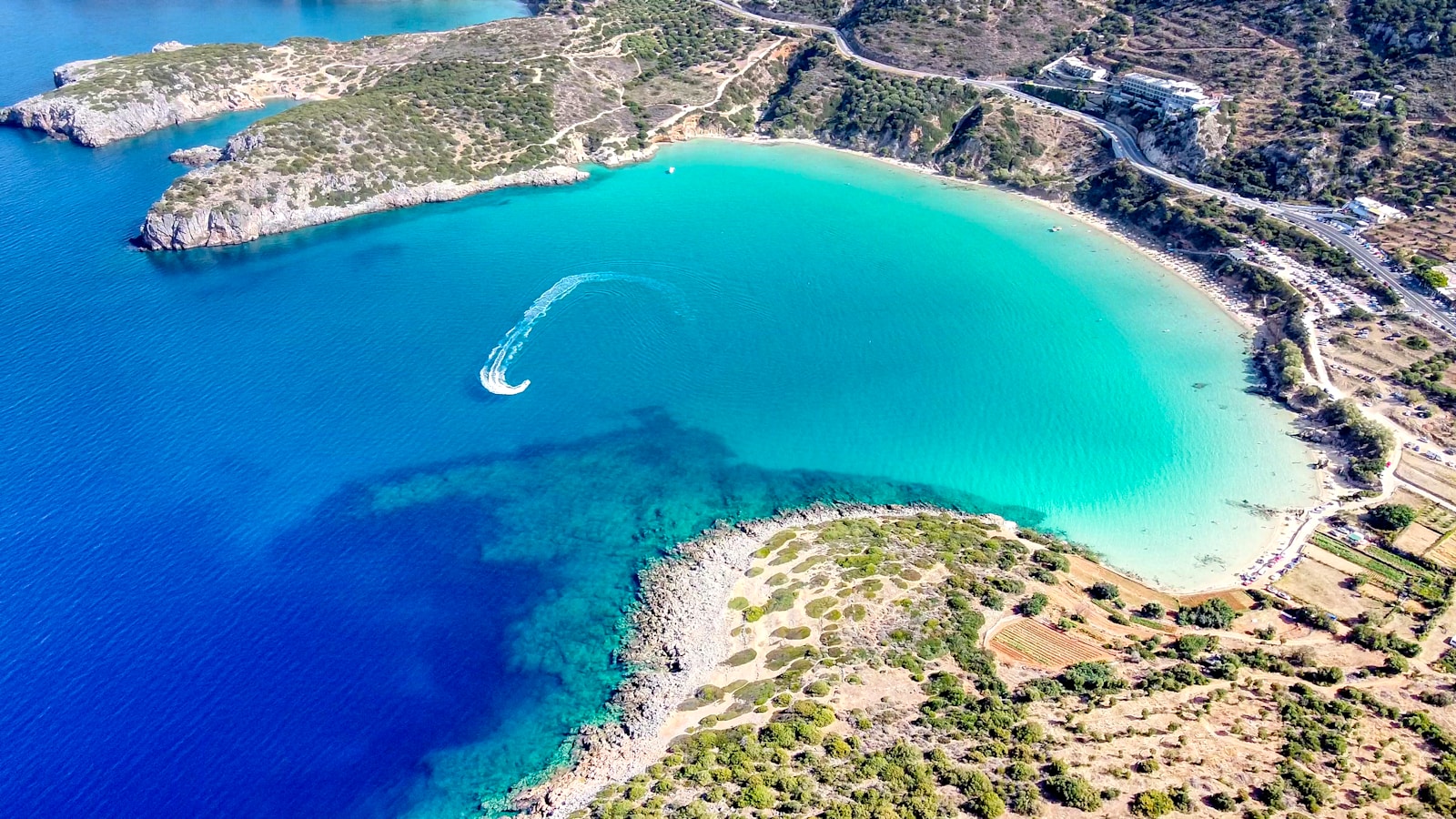
Halkidiki’s motto “like a secret island” isn’t marketing fluff. On a calm day at Agios Ioannis in Sithonia or around Sani and Afitos in Kassandra, the water is the same turquoise you see in Cyclades photos, often with even more greenery behind you thanks to the pine forests.
- Sithonia – probably Halkidiki’s star for sea quality. The coves near Neos Marmaras and the long bay of Agios Ioannis regularly impress people who’ve already visited famous islands.
- Kassandra – the strip from Afitos to Pefkohori has long sandy beaches and clear, shallow water, especially attractive for families with small children.
- Athos coast – calmer, with wide, gently shelving beaches and views across to Mount Athos.
The sea is typically warm enough for swimming from late May to early October. June and September are peak months for clarity, when the water is warm but not yet stirred up by the busiest crowds.
How it compares to the islands
- Cyclades (Mykonos, Paros, Naxos) – similar or slightly cooler water, often more wind and waves (Meltemi), especially July–August. Colours are stunning, but some beaches can feel more exposed.
- Ionian (Corfu, Zakynthos, Lefkada) – deeper blues and dramatic drops; more humidity, and sometimes less visibility near busy ports.
- Dodecanese (Rhodes, Kos) – great clarity, but more built-up stretches around the main towns.
If your top priority is calm, swimmable water with gentle entries and little ones playing safely, Halkidiki is often easier than the windier Cyclades. For dramatic cliffs and deep snorkelling walls, islands like Lefkada or Zakynthos still win.
Snorkelling, diving and boat days
For snorkelling and diving, Halkidiki’s rocky coves and underwater visibility are genuinely competitive with the islands. Sithonia in particular has a lot of quiet bays where you can see fish just metres from the shore. If you want to go deeper, you can look at specialised dive centres such as Porto Scuba for inspiration on what local underwater routes look like.
For sailing and yachting, Halkidiki offers marinas like Sani Marina on Kassandra and Porto Carras Marina near Neos Marmaras in Sithonia, which work well as bases for coastal cruising. To get a feel for available yacht styles and routes around the region, yachts.holiday has good examples of typical sailing itineraries across Greece. If you’d like to explore the coast, ask us about day trips at sea and sailing boat options.
Nightlife: bars, beach clubs and late nights
Nightlife is where expectations can be very different. Many people think “Halkidiki = quiet, islands = party”, but it’s more nuanced than that.
Halkidiki nightlife by area
- Kassandra – this is where you’ll find the busiest nightlife:
- Pefkohori – beach bars, cocktail places and late-night spots, especially in July and August.
- Kalithea (near Afitos) – known for clubs and a young crowd; it’s the closest thing Halkidiki has to island-style clubbing.
- Sani – more refined, with wine bars and lounge-style venues around Sani Marina.
- Sithonia – more relaxed:
- Neos Marmaras – a friendly mix of tavernas, bars and a promenade atmosphere; busy but not wild.
- Elsewhere in Sithonia, nightlife is mostly beach bars that wind down earlier, ideal if you prefer a glass of wine and stars rather than dance floors.
- Athos coast – typically quiet in the evenings, focused on family tavernas and seaside walks.
How this compares to the islands
- Party islands (Mykonos, Ios, parts of Zakynthos) – much more intense nightlife: international DJs, big beach clubs, and crowds that stay out until sunrise.
- Balanced islands (Paros, Naxos, Rhodes town) – a good middle ground: plenty of bars and clubs, but with quieter corners.
- Quiet islands (Milos, Amorgos, many smaller islands) – similar to Sithonia or the Athos coast in evening energy, usually centred on a small harbour town.
If you want one or two big party nights, Kassandra will do the job. If you’re chasing a full “beach club till dawn” experience, Mykonos or Ios are still in their own category.
What kind of crowds you’ll find
One of the biggest differences between Halkidiki and the islands is who actually comes here. As Our local team of skippers, travel agents and scuba instructors with over 20 years of experience in Halkidiki is here to help you., we see the patterns every summer.
Crowds in Halkidiki
- Weekends – lots of Greeks from Thessaloniki, especially around Afitos, Pefkohori and Sani, plus families from the Balkans and Central Europe.
- Weekdays in June and September – quieter, more couples and remote workers, many Northern Europeans enjoying longer stays.
- High season (mid-July to late August) – busy but usually not as “packed to the limit” as the most famous islands; more family groups and multi-generation holidays.
Places like Afitos Beach and Neos Marmaras feel lively and local at the same time – Greek families, kids on bicycles, grandparents in cafés, mixed with foreign visitors.
Crowds on popular islands
- Mykonos, Santorini – very international, strong presence from cruise ships and short-stay visitors, lots of couples and groups of friends, higher fashion and social-media focus.
- Paros, Naxos – mixed crowd: backpackers, kite-surfers, families and couples, still very international.
- Rhodes, Kos, Corfu – many package tourists and larger hotels, with a strong UK and Northern European presence.
If you prefer to be surrounded by a Greek-majority crowd, especially in tavernas and cafés, Halkidiki and Thessaloniki’s coastal suburbs (such as Agia Triada Beach) might feel more authentic than the busiest Aegean hotspots.
Do you need a car in Halkidiki vs the islands?
This is a key practical question and one where Halkidiki and the islands feel very different in day-to-day logistics.
Getting around Halkidiki
Public buses from Thessaloniki to Halkidiki leave from the KTEL Halkidiki Bus Station on the edge of the city. From there you can reach hubs like Nea Moudania (the gateway to the peninsulas) and then continue to resorts such as Pefkohori, Neos Marmaras, or the Athos coast resorts. Timetables, opening hours and routes can change without notice. Always double-check locally before you travel.
Once you’re in a resort, you can manage without a car if you’re happy to stay mostly local – beach, hotel, nearby tavernas. But the real magic of Halkidiki is in exploring different coves and villages, and for that a car is a big advantage, especially in Sithonia.
- Kassandra – more compact; taxis and local buses are more frequent in high season. A car is useful, but not absolutely essential if you stick to one or two neighbouring villages.
- Sithonia – roads are more scenic but also more spread out; some of the best beaches are not directly in villages. Here, a car or scooter is strongly recommended.
- Athos coast – manageable without a car if you stay in a resort area and use occasional taxis or boat trips.
Car need on the islands
- Large islands (Crete, Rhodes, Corfu) – a car is often as important as in Halkidiki if you want to see more than one area.
- Medium islands (Paros, Naxos, Kos) – buses connect main beaches and villages, so it’s easier to manage without a car compared with Halkidiki, especially if you stay near a bus route.
- Small islands (Milos, Ios, Amorgos) – usually a mix: one main town you can walk around, plus remote beaches where a car or ATV is helpful.
If you want a “no-driving” holiday, a mid-size island with good public transport may be simpler than Halkidiki. If you’re happy to hire a car for a few days, Halkidiki’s road network makes it easy to string together Afitos, Sani, Neos Marmaras and the Athos coast in one trip. [random_authority_text]
Transfer times and travel logistics
Here Halkidiki has a very clear advantage over most islands: no ferries and usually shorter overall travel time from plane to beach.
Reaching Halkidiki
- Fly into Thessaloniki Airport (SKG).
- From the airport, Halkidiki’s first resorts are roughly:
- About 45–60 minutes’ drive to Kassandra (Afitos, Pefkohori side).
- About 60–90 minutes’ drive to Sithonia (Nikiti, Agios Ioannis, Neos Marmaras).
- About 90–120 minutes to the Athos coast resorts.
You can get to the KTEL Halkidiki Bus Station by bus or taxi from the airport or city centre and then continue to your chosen resort. For many travellers, this means you can land in Thessaloniki in the morning and be swimming in the sea by lunchtime.
Thessaloniki itself is worth at least a night or two, especially if you like food, history and waterfront sunsets. If you’re considering combining the two, have a look at our guide on how to combine Halkidiki with a short stay in Thessaloniki.
Reaching the islands
- Islands with airports (Rhodes, Corfu, Crete, Kos, Mykonos, Santorini etc.) – you can fly direct in season, then usually drive or bus 20–90 minutes to your resort.
- Islands without airports (Paros, Naxos, Milos, many smaller ones) – normally require a flight or long bus to Athens or Thessaloniki, then a ferry. The sea leg can be anywhere from 2 to 8+ hours.
If you dislike ferries, or want to minimise travel steps with children, Halkidiki is often the easiest “island-style” beach holiday you can have in Greece. Our comparison of Halkidiki vs islands with airports goes deeper into these logistics if you’re still balancing options. Timetables, opening hours and routes can change without notice. Always double-check locally before you travel.
Budget patterns: is Halkidiki cheaper than the islands?
Prices shift every season, but after two decades watching the patterns, certain trends are stable.
Accommodation and food in Halkidiki
- Accommodation – you’ll usually find better value for money than on the most famous islands. Family-run apartments, mid-range hotels and small resorts are common. Ultra-luxury exists (for example around Sani Marina or Porto Carras), but there’s a wider middle ground than in Mykonos or Santorini.
- Food – tavernas in places like Afitos, Pefkohori and Neos Marmaras tend to be reasonably priced by Greek resort standards, especially if you eat where locals do.
- Extras – sunbeds, coffees, drinks and snacks are generally lower than in Mykonos or Santorini, and similar or slightly lower than mid-range islands like Paros or Naxos.
For a deeper dive into real-life examples, our guide on how expensive Halkidiki is in 2027 shares typical patterns for food, fuel and hotels so you can plan a realistic budget.
Island price patterns
- High-end islands (Mykonos, Santorini) – accommodation, beach clubs and even simple drinks can be significantly more expensive than Halkidiki, especially in peak season.
- Mid-range islands (Paros, Naxos, Rhodes, Kos) – similar or slightly higher than Halkidiki for accommodation; food costs are often comparable.
- Smaller/less-known islands – can be cheaper in shoulder season, but limited choice may push you into a few pricier options.
Overall, if you’re travelling as a family or group and want space, a kitchen and a car, Halkidiki often lets your budget stretch further than the most famous islands while maintaining very good beach quality.
Beaches, villages and atmosphere: concrete examples
To make the comparison more real, it helps to look at specific spots in Halkidiki and how they “feel” compared to typical island experiences.
Afitos Beach (Kassandra) vs a Cycladic village
Afitos is a stone-built village on a clifftop with cobbled lanes and a gorgeous view over the bay. The beach below is sandy with clear water and a mix of beach bars and quieter stretches. The atmosphere in the evenings is lively but not hectic – families strolling, couples in small restaurants, live music some nights.
If you like the charm of Cycladic villages like Naoussa (Paros) or Chora in Naxos, but prefer a slightly less touristy and more Greek-feeling crowd, Afitos is a strong Halkidiki alternative.
Agios Ioannis & Neos Marmaras (Sithonia) vs relaxed island bays
Agios Ioannis, near Nikiti in Sithonia, is a long sandy bay with calm, crystal water and a few well-spaced beach bars. It has that “endless swim” feeling you get on islands like Naxos or parts of Kos, but with pine trees behind you instead of bare hills.
Neos Marmaras combines a proper village (with locals, shops, schools) and a holiday vibe. Within a short drive you can reach multiple beaches, from organised ones to almost wild coves. It’s a good match for travellers who like the flexibility of a place like Skala on Kefalonia or a small town on Rhodes, but with a more low-key nightlife profile.
Pefkohori and Sani vs bigger island resorts
Pefkohori on Kassandra is a classic holiday village: long sandy beachfront, plenty of tavernas and bars, lots of families and groups in summer. It’s comparable in energy to resort areas on Rhodes or Corfu, but the sea is usually a little calmer, and the scale is more human than some large, hotel-dominated strips.
Sani Marina, on the other hand, is the polished, upscale side of Halkidiki – yachts, designer boutiques, fine dining, and stylish beach bars. If you like the idea of Mykonos-level comfort without Mykonos-level crowds and prices, Sani gives a similar mood in a more compact, family-friendly package.
Who is better off choosing Halkidiki – and who should pick an island
From our experience advising guests over many seasons, certain traveller types tend to be happier in Halkidiki, and others on the islands.
Halkidiki is usually better if you:
- Prefer calm, warm water and gently shelving beaches (great for children and less confident swimmers).
- Want to avoid ferries and keep transfers simple via Thessaloniki.
- Enjoy a mix of local Greek life and tourism, rather than a fully international resort feel.
- Are travelling with families, older relatives or multi-generation groups who need comfort and shorter travel days.
- Plan to hire a car and explore lots of different beaches and villages in one region.
- Have a mid-range budget and prefer more space and value over “famous-name” destinations.
The islands are usually better if you:
- Dream of whitewashed houses and blue-domed churches (Cycladic postcards).
- Want a full party scene with big-name clubs and DJs.
- Love dramatic landscapes – caldera views (Santorini), huge cliffs (Lefkada), or volcanic beaches (Milos).
- Are happy to take ferries and don’t mind longer travel days.
- Plan to stay mostly in one town with good buses and don’t want to drive at all.
Seasonal feel: when Halkidiki shines vs when islands shine
Both Halkidiki and the islands change mood dramatically between May and October. Timing can affect your decision as much as destination.
Halkidiki through the season
- May–early June – green, quiet, great for walkers and couples; sea is cooler but swimmable for most.
- Mid-June–mid-July – ideal balance: warm water, longer days, villages alive but not overcrowded.
- Late July–August – busiest period; more traffic, more events and nightlife, especially in Kassandra. Sea is at its warmest.
- September – a favourite for many: warm sea, slightly cooler evenings, fewer children, relaxed vibe.
Islands through the season
- Cyclades – wind (Meltemi) can be strong especially in July–August, which is great for surfers but less ideal for toddlers on the beach.
- Ionian and Dodecanese – more stable, hot summers, but humidity can be higher than in Halkidiki.
- Smaller islands – can feel very quiet in May and October, with limited services open.
If you’re tied to peak season and travelling with children or older travellers, Halkidiki’s calmer seas and slightly less extreme crowds can be a real advantage. For shoulder-season couples’ trips, a quiet island or Sithonia both work beautifully.
Safety, driving and practical tips from local experience
After many seasons driving, swimming and hiking around Halkidiki, a few practical points come up again and again.
Driving and parking
- Roads are generally good, but in July–August Kassandra’s main road can get congested at peak times. Try to travel early morning or later evening between resorts.
- Parking near popular beaches and villages (Afitos, Pefkohori, central Neos Marmaras) can be tight in August – arrive before 10:00 or in late afternoon where possible.
- On Sithonia, some beach access roads are unpaved; drive slowly and avoid the narrowest tracks with a low car.
Sea and sun
- The sea is generally calm, but always respect local lifeguard flags and avoid swimming far from shore alone, especially outside peak season when beaches are quieter.
- The sun in Northern Greece is still strong – hats, high SPF and shade breaks are your friends, especially for children and older travellers.
- Jellyfish are not usually a major issue but can appear occasionally, as on the islands. Ask locals or beach staff if you’re unsure on a given day.
Combining Halkidiki with other experiences
One advantage Halkidiki has over most islands is what you can easily combine with your beach holiday without extra flights or long ferries.
- Thessaloniki city break – add 1–3 nights at the start or end for food, culture and nightlife, then head to the beach. Our guide on combining Halkidiki with a short Thessaloniki stay gives sample plans.
- Day trips and culture – from Halkidiki you can reach archaeological sites in Central Macedonia, wine regions, and Mount Athos boat cruises from the Athos coast (men-only access on land, but cruises are open to everyone).
- Active days – sailing from Sani Marina or Porto Carras, diving around Sithonia, or simply coastal hikes with sea views.
How to choose your base in Halkidiki if you skip the islands
If you decide Halkidiki sounds like the better fit but you’re not sure where to stay, think in terms of “who you are” rather than chasing a specific beach name.
- Families with small children – look at Kassandra’s calmer, village-based resorts or Athos coast family hotels.
- Couples wanting scenery and quiet – consider Sithonia bases like around Nikiti, Agios Ioannis or Neos Marmaras.
- Groups of friends – Pefkohori, Kalithea or Neos Marmaras give you both beach time and nightlife options.
For a more detailed breakdown by traveller type, our guide on where to stay in Halkidiki in 2027 goes area by area with pros and cons.
Final thoughts: which one should you pick?
If you strip away the Instagram images and look at daily life, Halkidiki and the islands are two different ways to enjoy the Greek summer:
- Halkidiki is about easy access, calm seas, good value and a strong Greek-local presence – perfect for families, couples who like driving and exploring, and anyone who wants a softer, more relaxed version of a beach holiday.
- The islands, especially the famous ones, are about iconic landscapes, intense nightlife (in some cases), and a more purely international holiday atmosphere – perfect if the journey and the “name” of the island are part of the dream.
If you’re still unsure, it can help to sketch out your ideal day – what time you wake up, what you see out of the window, how far you’re happy to walk or drive, whether you’re in bed by midnight or at sunrise – and then match that picture to the destination that feels closest. If any part of that picture includes calm turquoise water, pine trees, and a short drive from Thessaloniki, Halkidiki will probably feel like home as soon as you arrive. Not sure where to start? Contact our local travel agency for friendly, personalised advice, seasonal offers and travel options. Want the full picture? Read our in-depth Halkidiki travel guide before you book.