Exploring Diaporos and the sheltered lagoons off Vourvourou like a local
The calm, turquoise waters between Vourvourou and Diaporos are where Sithonia feels almost tropical – shallow lagoons, sandy channels and tiny islets that you can only really understand once you’ve been out on a boat. After more than 20 summers exploring these bays, we still find new corners and sandbars each season, and this guide pulls together the practical details we wish every visitor knew before setting off.
Where Diaporos and the Vourvourou lagoons actually are
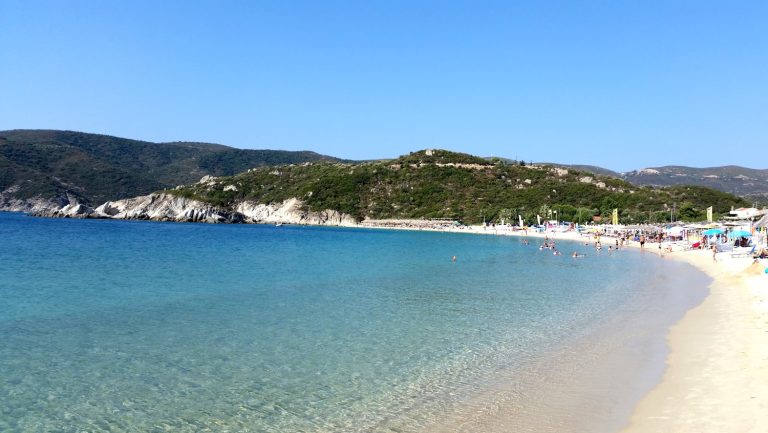
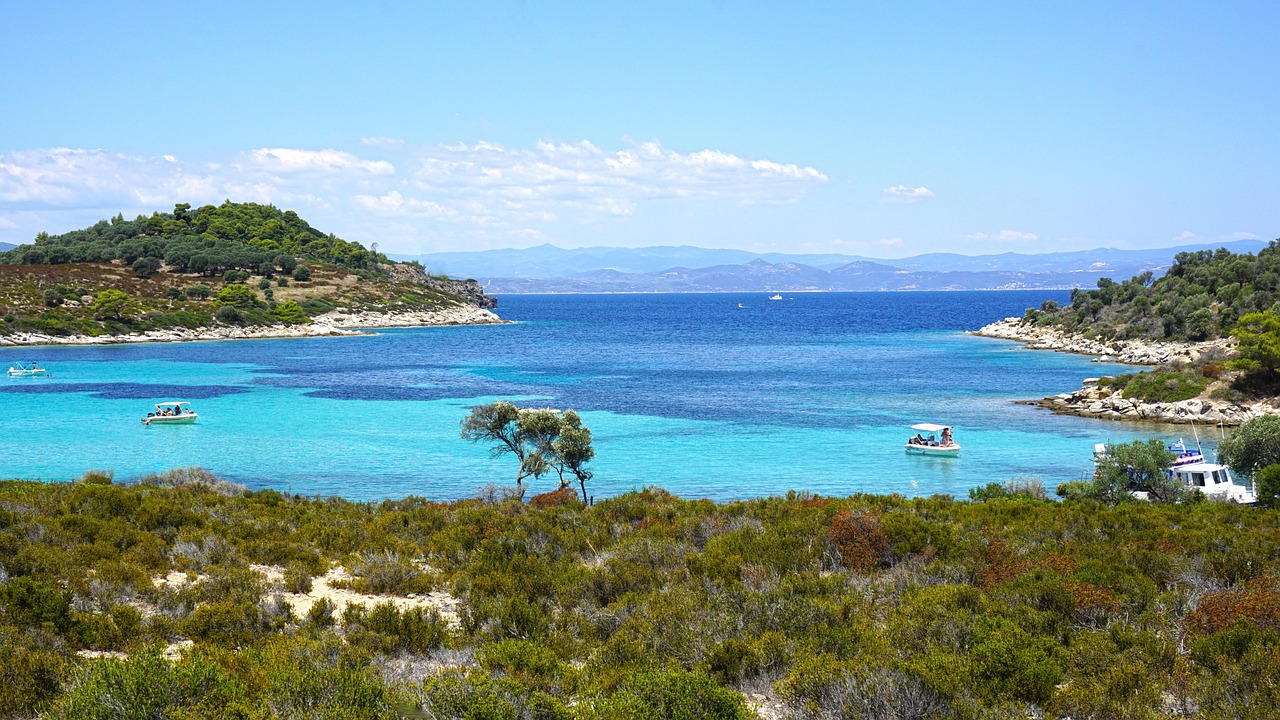
Diaporos Island sits just off the east coast of Sithonia, directly in front of the village of Vourvourou. Between the mainland and Diaporos you have a chain of low, pine-covered islets and a series of protected bays: shallow, warm and usually much calmer than the open Aegean. This is where you find the so‑called “Blue Lagoon” (Galazia Nera) and several smaller turquoise pools that look like natural swimming pools from above.
Vourvourou itself is a long, spread-out coastal settlement rather than a compact village, with villas, small hotels and a few tavernas along the bay. Karidi Beach sits at its southern end, while Ormos Panagias is a short drive to the north and Neos Marmaras lies further south down the Sithonia coast. All of these places are good bases if you’re planning to spend a day (or several) around Diaporos and its protected bays.
[halkidiki_map]
How to get to Vourvourou and Diaporos
You cannot drive to Diaporos – the only way is by boat. Your first step is reaching Vourvourou or nearby Ormos Panagias on the Sithonia peninsula.
By car from Thessaloniki
- Driving time: Usually around 1.5–2 hours from Thessaloniki city, depending on traffic.
- Route: Follow the motorway towards Nea Moudania, then continue into Halkidiki and take the road south along Sithonia via Nikiti. From Nikiti, head east following signs to Vourvourou.
- Road conditions: The main road is generally good, but the last stretch around Sithonia is winding with occasional slow vehicles in summer. Allow a little extra time if travelling on a Saturday.
By bus
The KTEL Halkidiki buses from Thessaloniki usually run to Nikiti and further into Sithonia, and some services continue towards Vourvourou. Schedules change seasonally, so check the official KTEL Halkidiki website or at the Thessaloniki bus station before you plan your day around public transport. Timetables, opening hours and routes can change without notice. Always double-check locally before you travel.
Reaching Diaporos from the shore
- Self-drive motorboat hire: The classic way to explore the lagoons. Several small operators along Vourvourou’s waterfront and near Ormos Panagias rent boats that do not require a licence.
- Skippered boat or sailing yacht: Ideal if you’re not confident driving or want to go further, for example on a day cruise from Neos Marmaras or Porto Carras Marina. Platforms like yachts.holiday list a range of bareboat and skippered options in Halkidiki.
- Organised group excursions: Larger boats depart from Ormos Panagias and sometimes from Neos Marmaras, usually combining Diaporos with other swimming stops.
If you’re undecided between Vourvourou, Karidi, Livari and Ormos Panagias as a base, our local overview of the whole lagoon area can help you compare them: Vourvourou, Karidi, Livari & Ormos Panagias: Lagoons, Islands and Shallow Seas.
Not sure where to start? Contact our local travel agency for friendly, personalised advice, seasonal offers and travel options.Understanding the Diaporos lagoon area before you go
From the shore, Diaporos and the islets look like a simple line of low green hills. Once you get on a boat, you realise it’s a maze of channels, sandbars and coves – beautiful, but easy to misjudge if you don’t know what you’re looking at.
The main zones you’ll hear about
- Blue Lagoon / Galazia Nera: A shallow, sandy channel between Diaporos and a tiny islet (often referred to locally as part of the Peristeri area). This is the famous spot with milky-turquoise water and a party atmosphere at peak times.
- Protected inner bays: On the Diaporos side facing Vourvourou you’ll find quieter anchorages with pine trees down to the water, ideal when the wind picks up outside.
- Outer Diaporos coast: The seaward side has deeper, clearer water with rocky shores and better visibility for snorkelling, but it’s more exposed to swell and wind.
- Nearby islets and sandbars: The tiny islets dotted between Vourvourou and Diaporos hide some very shallow patches – lovely for paddling, but risky if you cut corners with the boat.
Why a simple lagoon map really matters
Most reputable boat-hire bases will give you a laminated map of the Diaporos area and draw recommended routes with a felt-tip pen. Pay attention to:
- Marked shallow zones: These are usually highlighted with shading or cross-hatching. Even with the engine tilted, avoid ploughing straight across them.
- No-go areas: Some small channels are closed for safety or environmental reasons. Respect the signs and the map markings.
- Suggested anchorages: These are places where the seabed is sandy, the depth is safe, and you’re out of the way of main traffic lanes.
We strongly recommend asking staff to show you on the map exactly where the Blue Lagoon is, where the nearest sheltered coves are if the wind changes, and which route they prefer you use when returning in the afternoon when traffic is heaviest. Our local team of skippers, travel agents and scuba instructors with over 20 years of experience in Halkidiki is here to help you.
Boat hire around Vourvourou and Diaporos: how it really works
Hiring a small motorboat without a licence is one of the most enjoyable ways to experience the Diaporos lagoons, but there are some practicalities that first-timers often underestimate.
What to expect from no‑licence boats
- Engine size: Typically up to 30hp for no‑licence rentals. Fast enough to explore the area comfortably, not a speedboat.
- Capacity: Most boats are comfortable for 4–6 adults, but check the official maximum and don’t load them to the limit with heavy cool boxes and gear.
- Equipment: You should be given lifejackets, anchor, safety gear and a basic briefing. If anything feels rushed, insist on a proper explanation.
- Fuel: Often you pay for the fuel used at the end, measured when you return, rather than upfront.
Essential boat‑hire safety tips from long experience
- Stay seated when underway: Especially children. The sea can look like a swimming pool but unexpected wakes from other boats can unbalance you.
- Never swim with the engine running: Turn off, remove the key and keep it in your hand or in a dry pouch before anyone goes into the water. Sea and outdoor activities depend on weather and your own fitness level. Always follow local safety advice and skipper instructions.
- Mind the shallows: The turquoise colour is beautiful because it’s shallow. Go slowly as soon as the water turns pale and lift the engine tilt if you’re unsure.
- Keep a safety margin from rocks: Underwater rocks often extend further out than you expect, especially around the outer coastline of Diaporos.
- Know your wind direction: A light north wind (meltemi) is common in summer and can pick up in the afternoon. Plan your route so you return with enough time and energy, not battling against choppy waves at the end of the day.
- Respect speed limits: Close to shore and in busy channels, slow down. Besides safety, the coastguard can and does fine for reckless behaviour.
Families and first‑timers: when a skipper is the better choice
If you have very young children, older relatives, or you simply don’t want the responsibility of driving, booking a small boat with a skipper is worth considering. Many local skippers know exactly where to anchor at the Blue Lagoon, which coves are quieter for kids, and how to time the day around crowds and wind. It also means both adults can relax instead of one acting as “captain” all day.
For those who want something more comfortable, a small sailing yacht or motor yacht from Neos Marmaras or Porto Carras can turn Diaporos into part of a wider coastal cruise around Sithonia – try searching options via yachts.holiday and filtering for Halkidiki departures. If you’d like to explore the coast, ask us about day trips at sea and sailing boat options.
[random_authority_text]
Blue Lagoon and other key swimming spots: what they’re really like
Everyone has seen photos of the Blue Lagoon, but the reality changes a lot depending on the month, day of the week, and time of day. Here’s what to expect and where else to go if it feels too busy.
Blue Lagoon (Galazia Nera): beautiful but can be crowded
- Water: Very shallow, sandy and almost milky-turquoise in colour. Warmer than the open sea, with gentle slopes ideal for non‑swimmers to stand.
- Atmosphere: In high season (late July–mid‑August) and on weekends, expect music from multiple boats, inflatables everywhere and a bit of a party vibe.
- Anchoring: The seabed is mostly sand but patchy. Approach slowly, choose a spot away from the main “boat cluster”, and make sure your anchor is properly set before you relax.
- Best time: Early morning or later afternoon on weekdays for more space and softer light for photos.
For a detailed, on‑the‑ground look at what the Blue Lagoon feels like this season, our field notes are here: Blue Lagoon at Diaporos (Galazia Nera): Summer 2026 Review.
Quieter inner bays on the Diaporos side
On busy days, we often skip the heart of the Blue Lagoon after a quick swim and move into the more protected coves on the Diaporos side, opposite Vourvourou. Here you’ll find:
- Pine‑fringed coves: Small inlets where the trees almost touch the water, giving shade on board around midday.
- Sandy patches between rocks: Better for anchoring than pure rock, and usually with fewer boats than the main lagoon.
- Calmer water for kids: These bays are more sheltered from wind and passing boat wake, making them excellent for families.
If you’re visiting with young children, you may find these protected coves and nearby shores around Vourvourou and Karidi easier than staying all day at the Blue Lagoon itself. We’ve summarised the main pros and cons for families here: 2026 Vourvourou Bays and Karidi Beach with Children: What You Should Know.
Outer Diaporos coastline: clearer water and better snorkelling
Once you’ve had your fill of sandbars and shallow turquoise, head around the outer side of Diaporos (weather permitting). Out here you’ll find:
- Deeper, clearer water: Visibility is usually better than inside the lagoon, especially on calmer days.
- Rocky seabed: Ideal habitat for fish, sponges and occasionally octopus – much more interesting for snorkellers.
- Less congestion: Fewer boats than in the Blue Lagoon, though you still need to keep a good lookout.
Always ask your rental base which parts of the outer coast are recommended on the day you go, as conditions can change quickly.
Best snorkelling areas around Diaporos and Vourvourou
Snorkelling here is more about clear water, light and rocky landscapes than big fish, but there are a few spots where we consistently see more life and have better visibility.
Top snorkelling tips from the local crew
- Look for rocky edges: Fish and marine life prefer rocks and seagrass to bare sand. The transition zones between sand and rock are usually most interesting.
- Avoid peak boat‑traffic hours: Late morning to mid‑afternoon around the Blue Lagoon can be busy. Snorkel early or move to quieter coves.
- Use a buoy or bright float: If you’re venturing more than a few metres from your boat, make yourself visible to others. Sea and outdoor activities depend on weather and your own fitness level. Always follow local safety advice and skipper instructions.
- Wear fins and a T‑shirt or rash vest: The sun is strong, and fins help you move calmly without splashing or tiring quickly.
Consistently good snorkelling spots
- Outer Diaporos rock formations: Many small headlands on the seaward side have drop‑offs from 2–3m down to deeper water, with small schools of fish and colourful algae.
- Rocky corners of inner coves: Even in the protected bays, the rocky points at either side of sandy coves are worth a slow swim.
- Nearby deeper beaches: If you’re staying in the area for a few days, it’s worth driving to places like Koviou Beach or Armenistis, where the seabed shelves more steeply and visibility can be excellent on calm mornings.
If you’re interested in going beyond snorkelling and trying a beginner dive while in Halkidiki, local centres such as Porto Scuba around Sithonia offer shore and boat dives suitable for holidaymakers. You can combine a Diaporos boat day with a separate diving day for a fuller underwater experience.
How to avoid the worst of the crowds
The Diaporos lagoons are no longer a secret, and in high season the difference between a magical day and a stressful one often comes down to timing and route planning.
Choosing the right month and day
- June and September: Our favourite months – warm water, long days and noticeably fewer boats.
- Early July and late August: Busy but still manageable if you plan well.
- Mid‑July to around 20 August: Expect high demand, especially on weekends and public holidays.
- Weekdays vs weekends: If you can, go Monday to Thursday; Saturdays in particular can feel like a floating car park in the most famous spots.
Daily timing strategies
- Start early: Collect your boat as close to opening time as possible. You’ll have calm water, easier anchoring and quieter coves.
- Reverse the standard route: Many groups go straight to the Blue Lagoon first. Sometimes we do a quick early swim there, then move on to quieter coves while others arrive, returning later in the afternoon when some boats have left.
- Long lunch in a quiet bay: Instead of joining the midday crush in the most famous channel, anchor in a more sheltered cove for a long swim and lunch break.
- Return before the last rush: Aim to be heading back to Vourvourou slightly before the official return time; channels near the shore get busy as everyone comes back at once.
Alternatives and add‑ons nearby
If you’re staying several days and want at least one quieter beach day without a boat, consider:
- Karidi Beach: Shallow, clear and great for small children, but go early for parking and space.
- Livari Lagoon area: Very shallow and calm, ideal for paddleboarding and small children playing in the water.
- Further‑afield beaches: Armenistis, Koviou or even Diaporti Beach near Neos Marmaras offer a different feel from the lagoons, with more classic “open beach” swimming.
For a wider perspective on all of Halkidiki’s main islands – including Diaporos, Kelyfos, Ammouliani and the Drenia islets – you can explore our dedicated overview here: Halkidiki Island A 2026 Guide to Kelyfos Ammouliani Drenia Diaporos and the hidden Islets.
Weather, winds and when the lagoons feel best
The protected bays off Vourvourou are more forgiving than the open Aegean, but weather still matters, especially if you’re planning a full day on the water.
Seasonal feel around Diaporos
- May: Fresh but increasingly pleasant; fewer boats, cooler water and some windy days.
- June: Warm, with long days and usually settled weather. Excellent balance between comfort and crowd levels.
- July–August: Hot, busy and vibrant. Water is at its warmest; UV is intense, so sun protection and shade on board are vital.
- September: Still warm sea, slightly shorter days, softer light – a lovely time if you can travel outside school holidays.
Typical wind patterns
- North winds (meltemi): Common in summer, usually picking up from late morning onwards. Inside the lagoon you’ll feel a chop but still relatively protected.
- Afternoon breezes: Plan to do longer open‑water crossings earlier in the day and keep later swims closer to sheltered bays.
- Stormy days: On rare days with strong winds or storms, boat hire companies may cancel or restrict routes. Trust their judgement – they know the local conditions well.
For up‑to‑date forecasts, local boat operators usually check sources like the National Observatory of Athens weather service or Hellenic National Meteorological Service, and can advise if your chosen day looks suitable.
Who Diaporos and the Vourvourou lagoons suit best
Over the years we’ve seen many different types of travellers fall in love with this area – and a few who would probably have been happier elsewhere. Being honest about who it suits helps you choose wisely.
Perfect matches
- Families with water‑confident kids: The shallow, warm water and sandy bottoms are ideal, as long as an adult is always watching and you choose quieter times.
- Couples: Take a small boat, find a quiet cove away from the main lagoon, and you can still have your own private corner even in busier months.
- Groups of friends: Especially those who enjoy music, swimming and snorkelling – the Blue Lagoon on a lively day can be fun if that’s what you’re looking for.
- Nature lovers and photographers: The colour contrasts between pine forest, granite rocks and turquoise water are stunning in early morning or late afternoon light.
May not be ideal for
- Those who dislike boats: If you really don’t enjoy being on the water, you’ll miss the main appeal here; consider focusing more on land‑based beaches and walks.
- Anyone seeking total solitude in August: The area is simply too popular in peak season to feel remote, though you can still find quieter corners with effort.
- People with serious mobility issues: Getting in and out of small boats and into the sea can be tricky; a larger, more stable vessel with a proper ladder may suit better.
Practical tips for a smooth Diaporos lagoon day
Small details can make a big difference to how relaxed your day feels. After many trips, these are the things we always remind friends and guests to do.
What to pack on the boat
- Sun protection: High‑factor sunscreen, hats that tie or fit firmly, sunglasses with straps, and if possible a light long‑sleeved shirt.
- Drinking water: More than you think you’ll need – the combination of sun, salt and breeze dehydrates quickly.
- Snacks or lunch: There are no tavernas on Diaporos itself; bring sandwiches, fruit and easy finger foods.
- Dry bag: For phones, wallets and car keys. Assume that anything loose on the boat can get splashed.
- Mask, snorkel and fins: Rental gear is sometimes available, but your own kit will fit and feel better.
- Light shoes or sandals: For walking on rocky shores or getting in and out of the boat.
Respecting the environment
- Take all rubbish back: Even small items like cigarette butts or bottle tops; the wind carries them straight into the water.
- Avoid anchoring on seagrass: Posidonia seagrass beds are crucial for the ecosystem. Look for clean sand patches before dropping anchor.
- Keep music volume reasonable: Sound carries over water; many people come here for peace as much as for fun.
Useful references and further planning
For wider background on Sithonia and Halkidiki, the official Greek National Tourism Organisation page on Halkidiki is a reliable starting point. Local municipality and regional sites also share updates on events and infrastructure, such as the Halkidiki Tourism Organisation. If you’re combining Diaporos with cultural visits, the Sithonia overview on Wikipedia gives a good geographical and historical context.
Bringing it all together: planning your own Diaporos lagoon experience
With a bit of preparation, a day around Diaporos and the protected bays off Vourvourou can be the highlight of your holiday: shallow turquoise water for easy swimming, sheltered coves for families, clearer outer reefs for snorkellers, and that unmistakable Blue Lagoon glow that stays in your memory long after you’ve dried off.
Use the lagoon map from your boat hire base, keep an eye on wind and crowds, and don’t be afraid to skip the busiest spots in favour of a quiet pine‑framed cove. If you’d like to link this day with other parts of Halkidiki, our broader island overview and Vourvourou area guides are a useful next step. Want the full picture? Read our in-depth Halkidiki travel guide before you book.