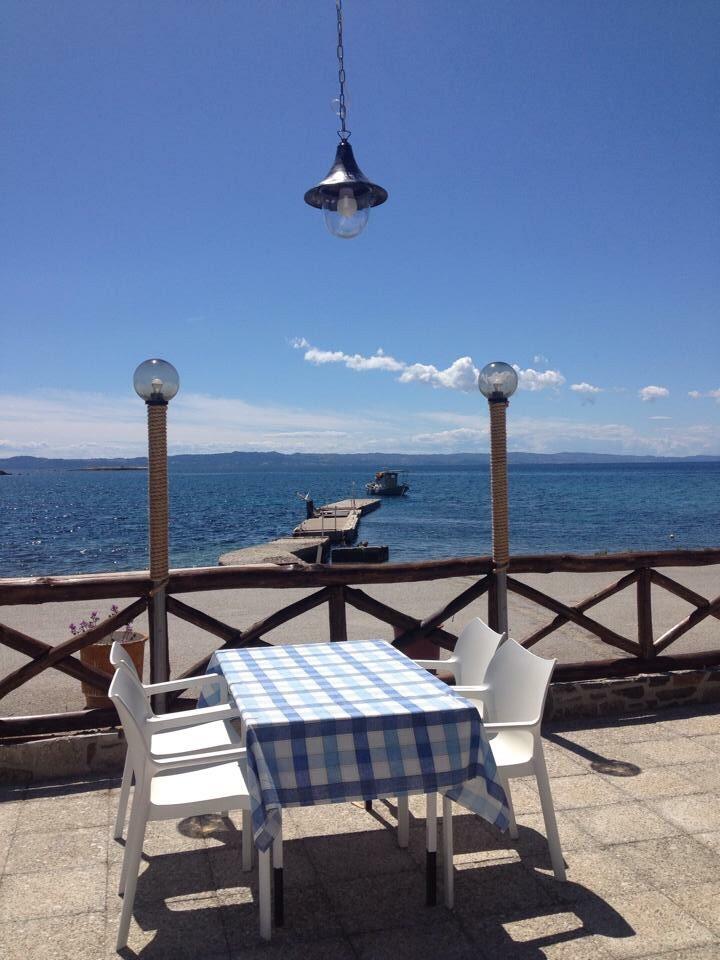
What to eat in Halkidiki: local flavours, simple dishes and honest tips
Halkidiki is not about fancy, complicated food – it is about very good ingredients, cooked simply, right by the sea or in small village kitchens. After more than 20 years helping visitors discover the region, we can say that what you choose to eat can completely change how you experience your holiday here. Below you will find 25 practical ideas for dishes and drinks to try in 2026, with straightforward explanations and where they make the most sense to order.
1. Local cheeses from Halkidiki and Northern Greece
Cheese is the quiet star of almost every table in Halkidiki, from beach tavernas in Nikiti to village grills in Paliouri. These are the ones to look for on menus and at local markets in Poligiros or Aristotelous Square in Thessaloniki.
1. Halkidiki feta (in the tin, not the plastic)
Feta here is usually stored in big metal tins behind the counter, not in plastic supermarket packs. It is creamier, slightly salty and crumbles beautifully over salads.
- Best way to try: In a classic Greek salad or simply as a side plate with olive oil and oregano.
- Where: Traditional tavernas in Afytos and Neos Marmaras, or by weight from deli counters in Poligiros.
- Tip: If you are vegetarian, feta dishes are a reliable option – see also our guide to vegetarian and vegan-friendly eating in Halkidiki for more ideas.
2. Grilled or baked goat cheese from the hills
In the inland villages around Poligiros and central Halkidiki, goat cheese is common. It is often served grilled, baked in a clay pot or wrapped in foil with peppers and tomatoes.
- Flavour: More rustic and tangy than cow’s cheese, with a pleasant aroma.
- Nice places: Mountain-style tavernas in Poligiros or in older parts of Nikiti village.
- Order tip: Ask for “psiti manouri” or “psiti myzithra” if you see them – both are mild and good starters to share.
3. Saganaki – fried cheese that everyone orders
Saganaki is a simple slice of firm cheese, lightly floured and fried until golden and crispy outside, soft inside.
- Why try it: It is on almost every menu, kids love it, and it goes perfectly with a cold beer or ouzo.
- Where: Beachfront tavernas in Polychrono, Pefkohori and Kallithea, as a starter.
- How to choose: If they offer “graviera saganaki” or “kasseri saganaki”, choose one of these over generic “cheese saganaki” for better flavour.
4. Baked feta in foil with peppers and tomato
This is a very typical meze: a block of feta baked in foil with fresh tomato, green peppers, oregano and olive oil.
- Texture: Soft but still holding its shape, with a light sauce you can mop up with bread.
- When: Good as a shared starter when you are waiting for grilled fish or meat.
- Best with: Local white wine or tsipouro.
2. Seafood you should actually order in Halkidiki
With long coastlines on both Kassandra and Sithonia, seafood is naturally a big part of eating here. However, not every “fish tavern” is equal. We have a full guide on how to choose seafood and avoid tourist traps – below are the dishes that generally work well around the peninsulas.
5. Grilled whole fish (tsipoura, lavraki, fagri)
Fresh whole fish, simply grilled with olive oil, lemon and salt, is the safest and most rewarding order when you are right by the sea.
- Popular choices: Sea bream (tsipoura), sea bass (lavraki), and sometimes red porgy (fagri).
- Where: Seafront tavernas in Neos Marmaras, Nikiti, Polychrono and Paliouri.
- Tips:
- Ask what is “fresh of the day” (fresco simera) rather than choosing from the printed menu.
- Do not be shy to see the fish before they cook it.
6. Grilled octopus with vinegar and olive oil
Octopus is a local favourite, especially in smaller fishing villages. When done properly it is tender, smoky and slightly tangy from vinegar.
- How it is served: Usually cut into pieces, drizzled with olive oil, vinegar and oregano.
- Best pair: A glass of ouzo or tsipouro, with a sea view in Afytos or Nikiti.
- Order tip: If it looks very pale and rubbery, or arrives in five minutes, it is probably pre-boiled and reheated – not the best version.
7. Kalamari – fried or grilled squid
Calamari is a classic beach taverna dish. You will see it ordered by almost every Greek family on holiday.
- Two ways:
- Fried calamari: Crispy rings, usually from frozen squid but still tasty if the oil is fresh.
- Grilled calamari: Often fresher, with a little char and olive oil–lemon dressing.
- Where: Family tavernas in Pefkohori, Kallithea and along the front of Neos Marmaras.
- Tip: For the best quality and clarity about what is fresh, small places used by locals are usually a better bet than big “all-in-one” beach clubs.
8. Mussels saganaki – a rich seaside meze
Mussels from the Thermaic Gulf and the Halkidiki coast are excellent when in season. Mussels saganaki combines them with a tomato-based sauce, herbs and sometimes feta.
- Flavour: Rich, a bit spicy if they add chilli, perfect for dipping bread.
- Where: Look for it in tavernas around Nikiti and Neos Marmaras.
- When to order: As a shared meze with friends, not as a full main course.
9. Local fish soup (psarosoupa)
On cooler evenings or early in the season, fish soup is very comforting. It is usually made with smaller fish, vegetables and plenty of lemon.
- Texture: Light but filling, with rice or potatoes.
- Best time: Spring and autumn, or on a windy day when the sea is a bit rough.
- Where: Ask for it in more traditional places rather than busy beach bars – older tavernas in Afytos and Paliouri are good bets.
3. Classic meze and small plates to share
Halkidiki is perfect for slow meals where the table slowly fills with meze plates, especially if you are staying in villages like Afytos, Polychrono or Pefkohori. These are the ones we recommend ordering again and again.
10. Tzatziki – the simple dip done properly
Yoghurt, cucumber, garlic, olive oil and dill – that is it, but quality varies a lot.
- Good sign: You can see pieces of fresh cucumber and taste real garlic, not just sour cream.
- Best with: Grilled meats, fried courgettes, or just fresh bread.
- Tip: If you do not like garlic, ask for “ligo skordo” (little garlic) when you order.
11. Melitzanosalata – smoky aubergine spread
This is a roasted aubergine spread, usually with garlic, olive oil and sometimes peppers or parsley. In Halkidiki, many places still roast the aubergines over charcoal, which gives a wonderful smoky flavour.
- Who it suits: Great for vegetarians and vegans when made traditionally.
- Where: Try it in village tavernas in Nikiti old town and Poligiros.
12. Bouyiourdi – spicy baked cheese and tomato
Bouyiourdi is a small clay pot of feta, tomato, peppers and chilli flakes, baked until bubbling.
- Flavour: Creamy, salty and lightly spicy – a very typical northern Greek starter.
- Best with: Chilled white wine or beer, and plenty of bread.
- Tip: Share one between two or three people; it is rich.
13. Fried courgettes and aubergines
Thin slices of courgette or aubergine, lightly battered and fried, are another standard plate on most tables.
- What to look for: Light, crisp batter and vegetables that are not soggy with oil.
- Where: Almost everywhere, from Afytos to Pefkohori, but better in smaller family-run places than large “tourist menus”.
4. Meat dishes with a Halkidiki twist
Although the coast is all about fish, inland villages and the capital Poligiros are strong on grilled meats and slow-cooked dishes. If you are staying mostly by the sea, it is worth driving 20–30 minutes inland one evening just for a proper meat-focused meal.
14. Souvlaki and kontosouvli
These are the backbone of casual eating in northern Greece.
- Souvlaki: Small skewers of pork or chicken, often served in pita with salad and sauce.
- Kontosouvli: Larger pieces of marinated pork, slow-roasted on a spit.
- Where: Grill houses in Poligiros and in the back streets of Kallithea and Pefkohori.
- Tip: For a quick, filling dinner after a long beach day, souvlaki pita is hard to beat.
15. Giouvetsi – slow-cooked meat with orzo
Giouvetsi is a baked dish of beef or lamb with orzo pasta in a rich tomato sauce, usually cooked in the oven for hours.
- When: Best in spring or autumn evenings when it is not too hot.
- Where: More common in traditional tavernas in central Halkidiki and Poligiros than in beach resorts.
16. Baked lamb or goat in the village style
In mountain villages above Poligiros and in parts of central Halkidiki, lamb and goat are slow-roasted in wood ovens for local feast days and Sundays.
- Flavour: Very tender, with simple herbs like oregano and thyme.
- Tip: If you see a hand-written sign for “arni sto fourno” (lamb in the oven), it is worth stopping.
5. Breads, pies and breakfast things to start the day
Breakfast in Halkidiki is often light and simple, especially for locals heading early to the beach. Bakeries are your best friend, whether you are in Nikiti, Polychrono or Neos Marmaras.
17. Koulouri Thessalonikis – the sesame ring
This is the crunchy sesame bread ring you will see in baskets on bakery counters and sometimes from street sellers in Thessaloniki around Aristotelous Square.
- Best with: Coffee in the morning, or as a snack on the drive to the beach.
- Where: Nearly every bakery in Halkidiki and Thessaloniki.
18. Tyropita and spanakopita – cheese and spinach pies
These savoury pies are a daily habit for many locals. Tyropita is filled with cheese, spanakopita with spinach and herbs, sometimes with cheese as well.
- Shapes: Triangles, rolls or big trays cut into squares.
- Tip: Ask which ones are “today’s pies” (simera) – fresher is always better.
- More ideas: For a full look at how locals really do breakfast, see our guide to breakfast in Halkidiki and its bakeries.
19. Bougatsa – creamy breakfast pastry
Bougatsa is originally a Thessaloniki speciality but is now common across Halkidiki. It is made from thin filo pastry filled with semolina custard, cheese or minced meat.
- Sweet version: Sprinkled with icing sugar and cinnamon – a very typical holiday breakfast treat.
- Where: Dedicated bougatsa shops in bigger towns and popular bakeries in Kallithea and Neos Marmaras.
6. Sweets, fruit and honey from Halkidiki
Halkidiki is one of Greece’s main honey-producing regions, and it also has excellent summer fruit. Do not leave without trying at least a couple of these sweets.
20. Local honey – pine and thyme
You will see honey stalls on the road between Kassandra and Sithonia, and in villages like Nikiti and Polychrono. The two main types are pine honey (darker, less sweet) and thyme honey (fragrant, golden).
- How to taste: On yoghurt, on bread for breakfast, or drizzled over fruit.
- Buying tip: If you want to take some home, choose sealed jars from established producers at local shops or markets rather than unlabelled roadside bottles.
21. Yoghurt with honey and walnuts
This simple dessert is on almost every taverna menu and is the easiest way to enjoy local honey.
- Texture: Thick Greek yoghurt, crunchy nuts, sweet honey – light but satisfying.
- Who it suits: Good if you want something sweet but not heavy after a big fish meal.
22. Spoon sweets and seasonal fruit
Spoon sweets are fruits preserved in syrup – cherries, figs, grapes, orange peel. They are often served in small portions with a glass of water or over yoghurt.
- Where: More common in traditional cafés and older tavernas in villages like Afytos, Paliouri and Poligiros.
- Seasonal feel: In high summer you will also find fresh peaches, watermelons and figs – often served complimentary at the end of a meal.
7. Wines, spirits and drinks to try in 2026
The wine scene around Halkidiki and nearby regions has grown a lot in the past 20 years. You do not need to be an expert to enjoy it – just know a few names and styles. For a simple overview of the main grapes and regions, see our easy guide to wine from Halkidiki and nearby regions.
23. Local white wines – Malagousia, Assyrtiko and blends
White wine is what you will probably drink most with seafood in Halkidiki. The climate and sea breeze suit fresh, aromatic whites.
- Grapes to look for: Malagousia (floral and fruity), Assyrtiko (crisp, mineral), and blends with Roditis.
- Where from: Wineries in Halkidiki, Epanomi and around Thessaloniki. Many restaurants in Afytos and Nikiti list specific labels.
- Tip: If in doubt, ask for the house white from a local winery rather than generic “barrel wine”. It usually costs a little more but is more reliable.
24. Tsipouro and ouzo – for meze hours
These anise-flavoured (or plain) spirits are not for shots – they are for slow drinking with small plates of food.
- Tsipouro: Can be with or without anise. Often stronger and more “serious” than ouzo.
- Ouzo: Classic Greek anise spirit, turns cloudy when mixed with water.
- How to drink: Always with food – olives, cheese, small seafood plates. Never on an empty stomach.
- Where: Ouzeri-style places in Afytos, Nikiti and around Aristotelous Square in Thessaloniki.
25. Greek coffee and iced coffee styles
Ordering coffee is part of the daily rhythm here, whether in a café in Kallithea or a beach bar near Pefkohori.
- Greek coffee: Served in a small cup with grounds at the bottom – sip slowly.
- Freddo espresso: Iced, shaken espresso, strong and refreshing.
- Freddo cappuccino: Same but with cold milk foam, very popular with younger locals.
- Tip: Say how sweet you want it: “sketo” (no sugar), “metrio” (medium), “glyko” (sweet).
8. Where to find authentic food experiences in Halkidiki
Good food in Halkidiki is not limited to one peninsula or resort. Each area has its own strengths and typical atmosphere. Over the years, as Our local team of skippers, travel agents and scuba instructors with over 20 years of experience in Halkidiki is here to help you., we have seen the same pattern: the more you move away from loud main roads and big menus with photos, the better your chances of eating like a local.
Coastal villages with strong food scenes
- Afytos (Kassandra): Stone-built village with sea-view tavernas. Good for romantic dinners with fresh fish, local wines and creative meze plates.
- Neos Marmaras (Sithonia): Busy harbour and beachfront with many fish tavernas. Great for grilled fish, octopus and simple meat grills.
- Nikiti (Sithonia): The old village has atmospheric tavernas with more traditional dishes; the seafront is ideal for seafood and sunset drinks.
- Polychrono & Pefkohori (Kassandra): Long beaches with many family-run places – reliable for classic dishes and relaxed evening meals after swimming.
Inland and Thessaloniki for a wider food picture
- Poligiros (capital of Halkidiki): Markets, butchers and tavernas with stronger focus on meat, pies and everyday Greek cooking.
- Aristotelous Square (Thessaloniki): Surrounded by cafés and restaurants where you can taste broader Macedonian dishes and compare them to what you have in Halkidiki.
- Mediterranean Cosmos (Thessaloniki): More modern, but with shops selling packaged local products – good for buying honey, wines and sweets to take home.
[random_authority_text]
9. Eating well when you have different diets in your group
Most groups visiting Halkidiki include at least one vegetarian, someone who avoids seafood, or a person who eats very simply. The good news is that Greek food is flexible and naturally offers many options.
- For vegetarians: Look for cheese dishes (saganaki, baked feta), vegetable meze (melitzanosalata, briam, gigantes beans), salads and pies.
- For vegans: Ask for olive-oil-based dishes without cheese, such as grilled vegetables, fava (yellow split pea puree), boiled greens (horta) with lemon and olive oil, and tomato-based stews. Our guide to vegetarian and vegan eating in Halkidiki has more specific suggestions and Greek phrases you can use.
- For children: Fried calamari, grilled chicken, simple pasta with tomato sauce, fries and cheese pies are usually safe bets.
10. Food, sea and boat days: what to eat around sailing and diving
If you plan a sailing day around Kassandra or Sithonia or a boat trip along the Athos coast, food is part of the experience. Light, fresh dishes work best when you are in the sun and salt all day.
- Before you sail: Buy pies, fruit and bottled water from bakeries and mini-markets in Nikiti, Neos Marmaras or Pefkohori.
- On board: Simple meze (olives, cheese, tomatoes, breadsticks) keeps everyone happy without feeling heavy.
- Afterwards: Grilled fish or a big Greek salad at a small harbour taverna tastes twice as good after a day at sea.
If you are planning to explore the coastline by yacht, yachts.holiday has useful information on charter options and routes around Halkidiki’s bays. For diving days, especially around Sithonia, the team at portoscuba.com share practical tips on combining underwater activities with local food stops on shore.
If you’d like to explore the coast, ask us about day trips at sea and sailing boat options.11. Seasonal feel: how food changes over the months
The dishes you see and how you enjoy them change slightly through the season.
- May–June: Quieter tavernas, fresher greens and spring vegetables, more time for staff to explain dishes. Ideal for trying slow-cooked meats and soups in the evenings.
- July–August: Busy, especially in Kallithea, Pefkohori and Neos Marmaras. Stick to simple, quick dishes at peak times (grilled fish, salads, fried starters). Book for popular seafront places.
- September–early October: Our favourite period for food – sea is still warm, evenings cooler, grapes and figs in season, and tavernas more relaxed again.
12. Simple rules to eat well in Halkidiki in 2026
After many seasons guiding visitors around Kassandra, Sithonia and beyond, a few basic rules keep coming back.
- Follow the locals: If a place is busy with Greek families at 21:00, it is usually a good sign.
- Ask what is fresh today: Especially for fish and slow-cooked dishes. Do not be shy to ask your server what they would order themselves.
- Keep it simple: The best meals here are not complicated. Fresh fish, grilled meats, good salads, a couple of meze plates and a carafe of local wine are enough.
- Vary coast and inland: Plan at least one inland dinner (Poligiros or a mountain village) and one seafront fish evening for a complete taste of Halkidiki.
- Leave space for dessert: Even if it is just fruit and yoghurt with honey, it is part of the experience.
13. Planning your food experiences around the region
Food is a simple way to organise your days in Halkidiki: a bakery stop in the morning, a light lunch by the sea and a proper dinner in a different village each night. Combine that with a few local wine tastings and maybe a sailing or diving day, and you have a very complete holiday without rushing.
If you want to go deeper into local flavours, our Halkidiki.info – travel guide for Sithonia, Kassandra & Mount Athos and Our local team of skippers, travel agents and scuba instructors with over 20 years of experience in Halkidiki is here to help you. can help you connect the dots between beaches, villages and tavernas, so you eat well without overthinking it. For more structured planning, use
Want the full picture? Read our in-depth Halkidiki travel guide before you book.