Understanding Halkidiki’s summer rhythm of heat, wind and sudden storms
If you spend a full week in Halkidiki in summer, you quickly notice a rhythm: hot, calm mornings, breezier afternoons and, every few days, a dramatic sky building over the hills. After more than 20 years working in tourism between Thessaloniki and Halkidiki, we have learnt to read these patterns almost like a clock – and they really can shape your beach days, boat trips and family plans.
This guide walks you through how the summer weather usually behaves across Kassandra, Sithonia and the Athos coast, what the winds and storms actually feel like on the ground, and how to use forecast apps properly so you avoid nasty surprises and make the most of every day.
Where Halkidiki is and why the weather feels different here
Halkidiki sits in Central Macedonia, south-east of Thessaloniki, its three peninsulas reaching like fingers into the Aegean. With sea on almost all sides, the region is strongly influenced by coastal breezes, local mountains and the wider Aegean wind systems.
You feel this clearly in places like:
- Nea Potidea – at the narrow entrance to Kassandra, where winds can “funnel” between the Thermaic Gulf and the open Aegean.
- Nikiti and Neos Marmaras in Sithonia – on the west coast, facing late-afternoon breezes and summer storms rolling in from the north-west.
- Ouranoupoli on the Athos coast – more exposed to northerly winds and sudden changes linked to the Mount Athos mountain mass.
Because of this mix of sea and hills, Halkidiki almost never feels like a flat, still oven, even during heatwaves – but you do need to understand how the wind and storms behave to plan safely and comfortably.
The daily wind rhythm: what to expect from morning to night
In summer, Halkidiki’s winds follow a fairly predictable daily cycle. Of course, nature has its moods, but if you know the basic pattern you can plan your swims, naps and boat trips with much more confidence.
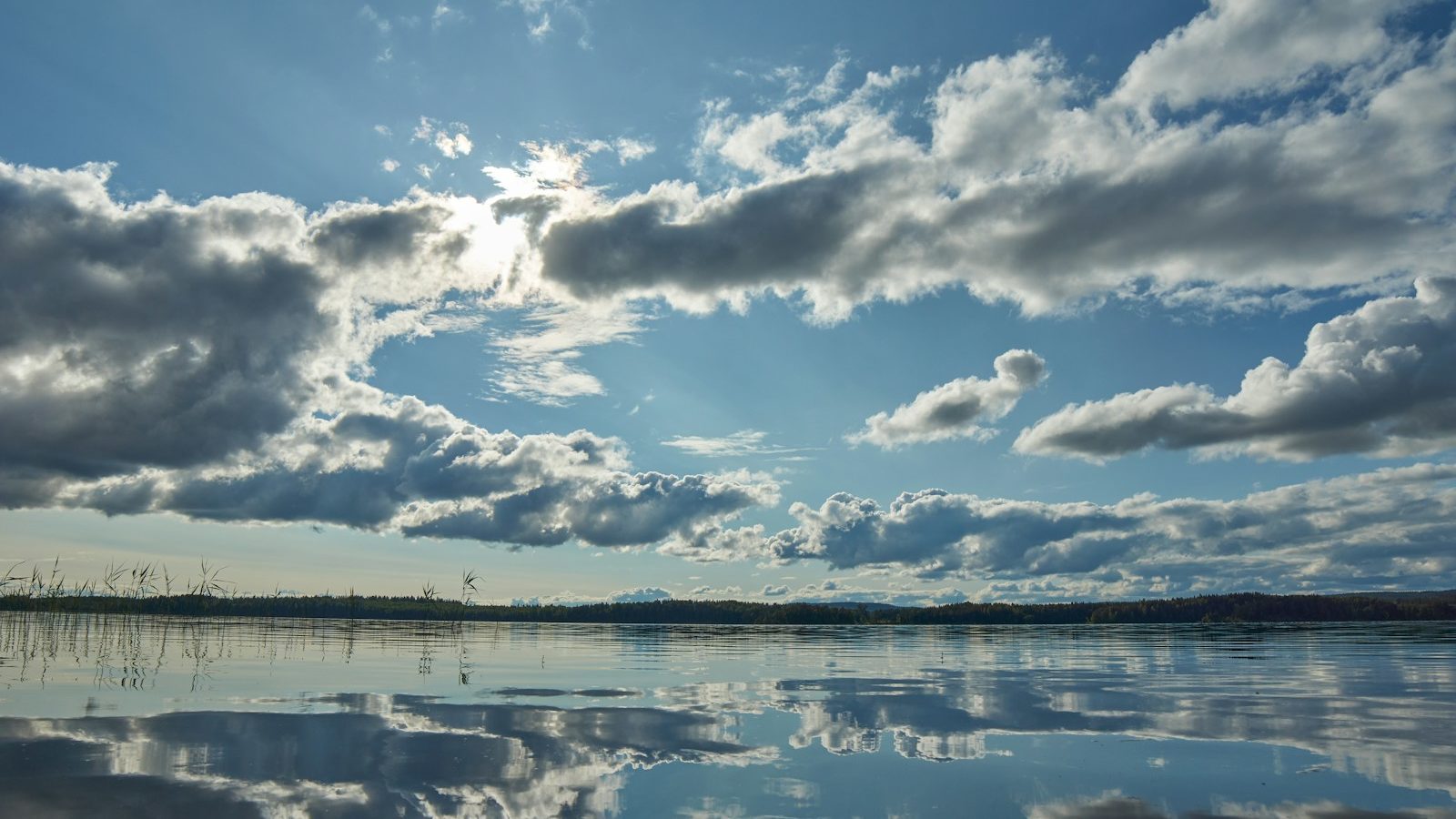
Early morning: calm seas and glassy water
From sunrise until roughly 10:00–11:00, the sea is usually at its calmest. On most beaches around Nikiti, Pefkohori or Neos Marmaras you’ll find:
- Light or no wind.
- Very clear, flat water – ideal for children and less confident swimmers.
- Less intense sun, especially before 09:30.
This is the perfect window for long swims, SUP, kayaking and gentle snorkelling. Divers and freedivers love these hours; if you are planning a first scuba experience, this is when conditions are usually the most forgiving. For more technical diving information and local conditions, have a look at specialist operators such as Porto Scuba in Sithonia.
Late morning to early afternoon: sea breeze building
As the land heats up, a classic sea breeze starts to form. This is very noticeable along the west coasts of Kassandra and Sithonia – from Nea Potidea down to Pefkohori, and from Nikiti down to Neos Marmaras and Porto Carras Marina.
Typically you’ll feel:
- A gentle breeze starting between 11:00 and 13:00.
- Small waves forming, especially on more open beaches.
- Air temperature still climbing, but the breeze making it feel less oppressive by the sea.
For families, this is still a good swimming period, but watch smaller children in the shallows where waves can knock them off balance. On busy days in July and August, you’ll also notice more inflatables drifting – always keep an eye on the wind direction.
Mid to late afternoon: peak wind and choppier seas
Between about 14:00 and 18:00, the daily breeze is usually at its strongest. On some days this is just a pleasant wind that cools the heat; on others, especially when the broader Aegean winds are active, it can mean:
- Choppy water with whitecaps on more exposed beaches.
- Stronger currents parallel to the shore in some spots.
- Sunbeds and umbrellas rattling, sand blowing around.
On Kassandra’s more open south-eastern beaches near Pefkohori, and around Porto Carras Marina and the exposed stretches south of Neos Marmaras, you may feel the wind much more than in a sheltered cove. If the forecast mentions the Meltemi, this afternoon phase can be particularly intense – we explain that in more detail in our guide to the Meltemi wind in Halkidiki.
For boat trips and sailing, this is when skippers are most cautious. If you are considering renting a yacht or joining a sailing trip, check reputable resources such as yachts.holiday and always ask how the wind forecast looks for the afternoon. If you’d like to explore the coast, ask us about day trips at sea and sailing boat options.
Evening: wind easing, warm sea
After 18:00–19:00, the wind gradually drops again. The sea often stays a little wavy, but the air becomes softer. This is a lovely time for:
- Gentle swims in still-warm water.
- Walks along the seafront promenades in places like Nikiti, Neos Marmaras and Ouranoupoli.
- Sunsets from beach bars without the full daytime heat.
Further inland, in villages like Agia Paraskevi on Kassandra, the air can feel warmer and less breezy in the evening, especially during heatwaves, because you lose the direct sea cooling.
Heatwaves in Halkidiki: how they really feel
Heatwaves are part of the Greek summer, and Halkidiki is no exception. The good news is that the strong presence of the sea and the local breezes usually make it more bearable than in inland cities.
Coastal vs inland: Pefkohori and Nikiti vs Agia Paraskevi
On a typical heatwave day in July or August you might notice:
- Pefkohori, Nikiti, Neos Marmaras, Ouranoupoli: very hot mid-day sun, but some relief from the sea breeze; evenings can still be pleasant on the waterfront.
- Agia Paraskevi and other inland villages: less breeze, warmer nights, and a stronger “oven” feeling in the early afternoon.
If you are staying inland, plan to spend the hottest hours by the sea and return to the village later. Families with small children or older travellers often appreciate this pattern: morning at the beach, long shaded lunch and siesta, then gentle evening strolls.
Practical tips for managing the heat
- Shift your day earlier: swim before 11:00, rest 13:00–17:00, go out again after 18:00.
- Choose beaches with natural shade (pine trees) or reliable umbrellas – many parts of Sithonia offer this.
- Keep car journeys short in mid-afternoon; high heat plus traffic near Nea Potidea or Nikiti can be tiring.
- Book air-conditioned accommodation, especially if you stay away from the sea breeze.
If you are still deciding when to visit, our month-by-month breakdown of the best time to come to Halkidiki explains how the heat and crowds change through the season.
Storm patterns: when and how sudden storms usually arrive
Ask anyone who has spent summers here and they will tell you: the storms often feel like the price we pay for beautiful clear days. They are usually short, sometimes intense, and often quite predictable if you know the signs.
Typical summer storm scenarios
From late June to early September, storms most commonly appear as:
- Afternoon or evening thunderstorms – clouds building over the inland mountains and moving towards the sea.
- Short, sharp downpours – 20–60 minutes of heavy rain, then clearing skies.
- Occasional night storms – lightning over the sea, sometimes with strong gusts of wind.
You often see this clearly from coastal spots like Neos Marmaras or Ouranoupoli: the clouds grow inland, darken, and then either move out to sea or “split” and pass around you.
Where storms hit harder and what it feels like
Because Halkidiki’s three peninsulas are surrounded by water, the exact impact of a storm can vary even within short distances.
- Neos Marmaras and Porto Carras Marina: storms coming from the north-west can bring strong gusts and choppy seas quite quickly. Skippers watch the sky and radar closely here.
- Nea Potidea: being at the narrow entrance to Kassandra, this area can feel a sudden shift in wind direction as a storm passes between the two gulfs.
- Ouranoupoli and the Athos coast: storms can form along the slopes of Mount Athos and move north, bringing intense rain but sometimes less wind on the western side.
[p_middle_of_the_post]
For beachgoers, the main experience is usually:
- Wind suddenly changing direction and strengthening.
- Temperature dropping noticeably within minutes.
- Waves picking up fast, especially on exposed beaches.
- Umbrellas and light items being blown around.
Sea and outdoor activities depend on weather and your own fitness level. Always follow local safety advice and skipper instructions. Always leave the beach if you hear thunder, even if it seems far away. The sea is not the place to wait out a storm.
How often do storms happen in summer?
In a typical summer month like July or August, you might see a few stormy episodes – not every day, but often enough that you should be prepared. Some weeks are completely dry and calm; others might bring two or three stormy afternoons in a row.
The key is not to panic when you see rain on the forecast for your whole week. In most cases, that rain falls in short bursts and you still enjoy many hours of sunshine each day.
Using forecast apps properly in Halkidiki
One of the most common mistakes we see visitors make is taking a single app icon (a thundercloud on Tuesday, for example) too literally. Coastal areas like Halkidiki need a bit more careful reading of the data.
Which apps and websites locals actually use
As locals and tourism professionals, we tend to cross-check a few sources:
- Meteo.gr (Greek, but with clear icons) – good for localised forecasts.
- Hellenic National Meteorological Service – the official source for warnings and broader patterns: www.emy.gr.
- Windy / Windguru – for wind strength, direction and wave conditions, especially useful if you plan sailing or SUP.
- Weather & climate summaries on sites like Meteoblue or Weather-and-Climate for understanding typical patterns.
How to read the forecast like a local
- Look at hourly, not just daily icons: a thunderstorm symbol often means one or two stormy hours, not a washed-out day.
- Check wind direction and strength: this tells you which coast will be rougher. A strong north wind might roughen the north-facing Athos coast but keep some Kassandra beaches calmer.
- Compare 2–3 sources: if all show afternoon storms and strong wind, treat it seriously. If only one does, expect possible short showers but don’t cancel everything.
- Use radar for “nowcasting”: many apps show live rain radar; watch how the clouds are actually moving towards or away from Halkidiki.
[random_authority_text]
After so many seasons guiding guests through “stormy” forecasts that turned into beautiful afternoons, we always remind people: use the apps as tools, but also trust what you see in the sky and sea around you.
Planning beach days around winds and storms
With a little flexibility, you can almost always find a good spot for swimming, even on breezy or unstable days.
Choosing the right coast for the day
Because Halkidiki has three peninsulas with many orientations, you can often move a short distance to find calmer seas:
- When the west coast is windy (e.g. strong breeze at Nikiti or Nea Potidea), consider driving to a more sheltered bay further south or to the opposite coast of the same peninsula.
- When the north wind is strong near Ouranoupoli and the Athos coast, the inner gulfs of Kassandra or Sithonia may be milder.
- On days with storm risk, prefer beaches with easy road access and nearby cafés or tavernas where you can shelter quickly.
[sithonia_map]
Family-friendly planning tips for different weather
- Calm, hot mornings: perfect for small children; prioritise swimming and sand play, then back to the hotel or apartment by lunchtime.
- Breezy afternoons: better for older kids and teenagers who enjoy waves, but stay close and avoid inflatables when the wind is offshore.
- Stormy forecasts: plan shorter beach visits, choose spots with good parking and nearby indoor options; pack light rain jackets and a dry bag.
On particularly windy or cloudy days, it can be a relief to take a break from the beach altogether. Our ideas for what to do in Halkidiki on a cloudy or windy day include cultural visits, short hikes and food-focused trips.
Driving and buses in summer weather
Heat and sudden storms affect not just the sea but also roads and public transport.
Driving conditions and traffic
On very hot days, the main challenges are glare, fatigue and congestion near bottlenecks such as Nea Potidea, Nikiti and around the KTEL Halkidiki Bus Station area as you leave Thessaloniki. During storms, visibility can drop quickly and roads can become slippery, especially on mountain sections between Agios Nikolaos and the east coast of Sithonia.
Basic tips:
- Avoid long drives in the peak heat (13:00–17:00) when possible.
- Slow down at the first sign of heavy rain; many drivers do not.
- Keep a towel in the car – useful for wet seats after sudden downpours and for wiping steamed-up windows.
Timetables, opening hours and routes can change without notice. Always double-check locally before you travel. Journey times can change a lot on busy weekends or during storms, so always allow extra time, especially when heading to or from the KTEL Halkidiki Bus Station in Thessaloniki for a bus connection.
Bus travel in changing weather
The KTEL buses between Thessaloniki and Halkidiki usually run regardless of heat or storms, but intense weather may cause minor delays. At coastal stops like Nikiti, Neos Marmaras or Pefkohori, be prepared for:
- Standing in full sun at simple roadside stops – bring water and a hat.
- Short heavy showers while waiting – a compact umbrella or light jacket helps.
Sea safety and activities in wind and storm season
Most days in Halkidiki’s summer are perfectly safe for swimming and water sports, but conditions can change faster than many visitors expect.
Swimming and snorkelling
- Check the sea before you enter: if waves are breaking hard on the shore or there is a strong side current, stay shallow and keep an eye on children.
- Avoid inflatables on windy days: they can drift offshore in minutes; this is one of the most common causes of local sea rescues.
- Leave the water at the first sign of thunder, even if the storm seems distant.
Sea and outdoor activities depend on weather and your own fitness level. Always follow local safety advice and skipper instructions. The sea here is generally friendly, but it is still the open Aegean – treat it with respect.
Sailing, boat trips and diving
Many visitors join daily boat excursions from places like Neos Marmaras (including Porto Carras Marina), Nikiti and Ouranoupoli. Others rent small self-drive boats or book sailing trips around the peninsulas.
- Always check the marine forecast for wind and wave height; don’t rely only on the generic weather app on your phone.
- Listen to local skippers: if they cancel or shorten a trip due to wind or storm risk, they usually have very good reasons.
- For diving, choose experienced local centres who know how the wind and currents behave on each site and time dives accordingly.
If you’d like to explore the coast, ask us about day trips at sea and sailing boat options. If you are unsure whether a sailing or diving plan is sensible for a particular day, ask your host or a local professional – Our local team of skippers, travel agents and scuba instructors with over 20 years of experience in Halkidiki is here to help you. usually have a good feel for when the wind might turn.
Seasonal changes: June to September weather shifts
While this article focuses on the general summer pattern, it is worth noting how the character of the weather shifts from early season to late season.
Early summer vs peak vs late summer
- June: often more variable, with occasional cooler days, but also very pleasant temperatures and fewer crowds.
- July and August: more stable sunshine, stronger heat and more frequent heatwaves; winds are often more consistent in the afternoons.
- September: sea is at its warmest, heat is softer, and there can be a few more changeable days with passing showers.
If you want a deeper comparison of how the feel of Halkidiki changes between early and late summer, see our guide to what changes between June and September.
Who Halkidiki’s summer weather suits best
Understanding the typical patterns helps you see whether Halkidiki is right for your style of holiday.
- Families with young children: benefit from calm, warm mornings and the option to retreat during afternoon heat; just be wind-aware in the afternoons.
- Couples: enjoy warm evenings, dramatic sunsets and the occasional atmospheric storm watched safely from a balcony or taverna.
- Older travellers: may prefer June and September, when the heat is softer and crowds are lighter, with still plenty of sun.
- Active travellers and water-sport lovers: appreciate the breeze for sailing, wind-influenced sports and long swims in clear water.
Putting it all together: planning a realistic summer week
To make the most of Halkidiki’s summer weather, plan your days around the natural rhythm rather than fighting it.
- Start early: swim, snorkel or take short boat rides while the sea is calm.
- Rest in the middle: lunch in the shade, siesta, quiet time indoors during peak heat and wind.
- Stay flexible: adjust beach choice according to wind direction; have a list of non-beach activities ready for stormy windows.
- Watch the sky and apps together: use forecasts as a guide, but confirm with what you see over the hills and sea.
For a broader overview of when to come, including shoulder seasons and sea temperatures, our main guide to the best time to visit Halkidiki is a useful companion. Want the full picture? Read our in-depth Halkidiki travel guide before you book.
With a bit of local-style planning and realistic expectations about wind, heatwaves and sudden storms, most visitors find that Halkidiki in summer offers far more blue-sky hours than anything else – just enough drama in the sky to keep things interesting, and plenty of ways to adapt so every day feels well used.