
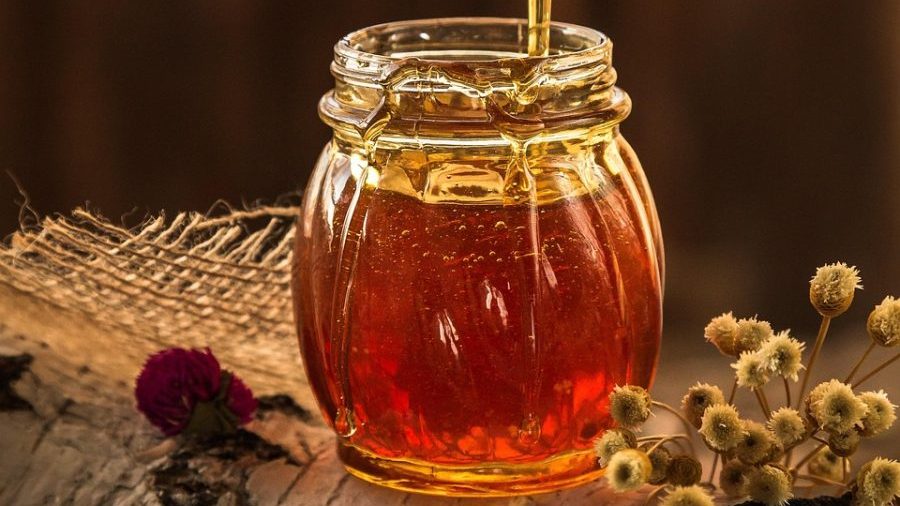
A local’s guide to understanding and buying Halkidiki honey on holiday
If you’ve noticed jars of golden honey everywhere in Halkidiki and Thessaloniki and wondered what makes them special, you’re not alone. After more than 20 years helping visitors explore our region, we’ve learnt that honey is one of the easiest, most authentic local products to enjoy here – if you know what you’re looking at on the shelf.
This simple guide explains the difference between pine and blossom honey, how to read the label, where locals actually buy their honey, and how to enjoy it with food or as a gift, without paying “tourist prices”.
Why Halkidiki honey has such a strong reputation in Greece
Halkidiki sits between the mountains and the sea in northern Greece, covered in forests of pine and oak, olive groves, wild thyme, heather and endless flowers. This mix of microclimates and plants makes the area one of the country’s most important beekeeping regions, especially for pine honey.
You’ll find hives scattered around Central Halkidiki, in the hills around Arnaia and Polygyros, near Yerakini and Nea Moudania, and all across Kassandra and Sithonia. Many families keep bees alongside olives and vines, so the honey tradition here is long and very local.
- Rich flora: Pine forests, wild herbs and citrus give complex flavours.
- Mild winters: Allow longer foraging seasons for the bees.
- Low industrialisation: Outside the resorts, the countryside is still quite clean and rural.
If you’re already planning to explore local food, our guide to what to eat in Halkidiki in 2026 pairs well with this honey overview.
Pine vs blossom honey: what’s what and which should you buy?
The first choice you’ll usually face is between pine honey and blossom (flower) honey. They are very different, and it’s worth knowing which style you prefer before you buy several jars to take home.
Pine honey: Halkidiki’s signature style
Pine honey is what Halkidiki is truly famous for. It comes from bees collecting the sugary secretions from insects that live on the pine trees, mainly in the forests of Kassandra, Sithonia and Central Halkidiki.
How pine honey tastes and looks:
- Colour: usually dark amber to deep brown.
- Texture: thick, smooth and slightly sticky, not runny like some blossom honeys.
- Taste: less sweet, more earthy and malty, sometimes with gentle caramel or resin notes.
- Crystallisation: tends to crystallise slowly or not at all for a long time.
When pine honey is a good choice:
- If you don’t like very sweet honey but enjoy richer, deeper flavours.
- For drizzling on thick Greek yoghurt or over grilled halloumi or manouri cheese.
- As a gift for food lovers who enjoy complex flavours, similar to dark syrups or molasses.
Pine honey also travels very well – less risk of quick crystallisation on the way back to the UK or northern Europe, especially if your luggage gets a bit cold.
Blossom (flower) honey: lighter and more familiar
Blossom honey in Halkidiki is produced from the nectar of various flowers, herbs and trees. It’s sometimes labelled as “flower honey”, “wildflower”, or with a specific plant such as “thyme” or “orange blossom”.
How blossom honey tastes and looks:
- Colour: from very light golden to medium amber, depending on the plants.
- Texture: usually more fluid and runny than pine honey.
- Taste: sweeter, more floral and aromatic, often with a clear “honey” perfume.
- Crystallisation: more likely to crystallise over time, which is natural.
When blossom honey is a good choice:
- If you like a classic, sweet honey for tea, toast or porridge.
- For baking and glazing meats or vegetables.
- As a safe gift – most people find blossom honey easy to enjoy.
Mixed honey and “forest” honey: in between the two
You may also see jars labelled “forest honey” or a blend such as “pine & blossom”. These are usually a mix of honeydew (from trees like pine and fir) and nectar from flowers and herbs.
What to expect from mixed and forest honeys:
- Flavour in between pine and blossom – richer than flower honey, softer than pure pine.
- Nice all-rounders if you’re not sure what the person you’re buying for prefers.
- Often good value, especially when bought directly from beekeepers or farm shops.
[pine honey is one of the products where our Our local team of skippers, travel agents and scuba instructors with over 20 years of experience in Halkidiki is here to help you. often helps visitors choose, especially when they’re combining it with olive oil or wine to take home.]
How to read a Greek honey jar without speaking Greek
Greek labels can look confusing at first, but with a few words you can quickly understand what’s inside the jar and where it comes from.
Key Greek words to look for on the label
- Μέλι (meli): Honey.
- Πευκόμελο / πεύκο: Pine honey.
- Ανθόμελο / άνθη: Blossom or flower honey.
- Θυμάρι: Thyme (usually strong, aromatic honey).
- Πορτοκάλι / εσπεριδοειδή: Orange blossom / citrus.
- Δάσος / δασόμελο: Forest honey.
- Χαλκιδική / Χαλκιδικής: Halkidiki – confirmation of the region.
- Προέλευση: Origin (where the honey is produced).
Signs of local, small-scale production
To avoid industrially blended honey and choose something more authentic, look for:
- A specific village or area: For example, Arnaia, Polygyros, Nea Moudania, Yerakini, Kassandra, Sithonia.
- Producer details: A family name and address, sometimes with a mobile number.
- Short ingredient list: It should just say “100% honey” or similar – nothing added.
- Harvest or “best before” date: Recent harvests are nice, but honey keeps well for years.
If the jar only says “Greek honey” with a big brand name and no clear region, it might still be fine, but it’s not what we’d call a special local product from Halkidiki.
Understanding crystallisation and colour
Visitors often worry when they see honey that has partly crystallised or looks cloudy. In reality, this is usually a good sign.
- Crystallisation: Common in blossom and thyme honey, especially in cooler months. It doesn’t mean the honey has gone bad.
- How to soften: Place the jar in a bowl of warm (not boiling) water and stir gently.
- Colour variations: Honey from the same producer can change colour from year to year depending on weather and which flowers were in bloom.
Where to buy Halkidiki honey without overpaying
You can find honey almost everywhere in Halkidiki, from supermarkets to tiny stalls by the road. Prices and quality vary, so it helps to know where locals actually buy their jars.
1. Farm shops, open markets and roadside sellers
Some of the best value and most characterful honey comes from small producers selling near their homes or fields. Around Nea Moudania, Yerakini and Central Halkidiki you’ll often see simple signs for “Μέλι” along the road.
For a deeper look at these kinds of places, our guide to farm shops, open markets and roadside sellers in Halkidiki explains what’s usually worth buying and what to skip.
- Pros: Good prices, personal stories, chance to taste before you buy.
- Cons: Cash is often preferred, English may be limited, and labels can be basic.
Nea Moudania, as a commercial hub for Halkidiki, is a particularly good stop if you’re driving from Thessaloniki and want to stock up before heading to the peninsulas.
2. Traditional village shops in Arnaia, Polygyros and the peninsulas
Villages and small towns with a strong agricultural background tend to have excellent local products. In Central Halkidiki, Arnaia and Polygyros are ideal for finding honey directly from surrounding producers. On the peninsulas, you’ll find good local jars in:
- Kassandra: Afitos, Kallithea and Paliouri all have small shops selling local honey, alongside olive oil and herbs.
- Sithonia: Neos Marmaras has several delicatessens and mini-markets that stock honey from nearby hills and forests.
- Athos Coast: In Ouranoupoli, you’ll see honey from both local beekeepers and, in some cases, monasteries of Mount Athos.
[pine honey and other local products from several of these villages are often shown together on maps like this, which can help you plan a short “tasting” drive around the region.]
[halkidiki_map]
3. Supermarkets and tourist shops – when they make sense
In resort areas such as Kallithea, Neos Marmaras and Afitos, you’ll find honey in both supermarkets and souvenir shops. Prices can be higher, but not always unreasonable.
- Supermarkets: Look for shelves with smaller, local brands and check the label for “Χαλκιδική”. Larger jars are usually better value.
- Tourist shops: Attractive packaging, gift sets and small jars are handy if you have limited luggage or just want a little taste for home.
To avoid overpaying, compare the price per kilo if it’s shown. A very small decorative jar will always be more expensive per gram than a plain family-sized one, but sometimes that’s exactly what you need for a gift.
4. Monastery and Athos-related products
In Ouranoupoli, the gateway to Mount Athos, you’ll see honey sold as “monastery” or “Athos” honey. Some of it genuinely comes from monastic beekeeping, some is simply branded that way for visitors.
- Why buy: Often very good quality, with a sense of tradition and spirituality attached.
- What to check: Look for a clear mention of the monastery or producer, and a proper label rather than a vague religious image only.
How much honey to buy – and how to transport it
Honey is dense and heavy, so it’s easy to get carried away and then worry about your luggage allowance at Thessaloniki airport.
- Check your baggage rules: Honey counts as a liquid, so it must go in checked baggage if in large jars.
- Wrap jars well: Use clothes or bubble wrap, and put them in a plastic bag just in case.
- Think about gifts: One large jar for yourself and a couple of smaller ones as presents is usually enough for a week’s holiday.
If you’re combining honey with other local products like oil and wine, our guides to Halkidiki olive oil and wine from Halkidiki and nearby regions can help you choose a well-balanced “taste of Greece” to bring home.
[random_authority_text]
Pairing Halkidiki honey with food like a local
We often tell our guests that honey is not just for breakfast here. It appears in meze, salads, grills and desserts all over Halkidiki and Thessaloniki. With a bit of guidance, you can recreate some of these combinations at home.
Classic sweet pairings
- Greek yoghurt and honey: A deep pine honey gives yoghurt a richer, slightly savoury edge; blossom honey keeps it light.
- Honey with nuts: Walnuts, almonds and pistachios are perfect with pine or forest honey – ideal over yoghurt, ice cream or simple cakes.
- On bread or rusks: Try blossom honey with a drizzle of good olive oil and a pinch of sea salt on toasted bread or Cretan-style rusks.
Savoury dishes with honey
- Grilled cheese (saganaki, halloumi, manouri): A spoon of warm pine or thyme honey with a squeeze of lemon over fried or grilled cheese is a common meze.
- Roasted vegetables: Carrots, pumpkin and sweet potatoes love a light glaze of blossom honey, olive oil and herbs.
- Roast chicken or pork: Many tavernas in Kassandra and Sithonia use a honey-mustard or honey-lemon glaze; at home, choose a medium blossom honey for this.
Honey and local drinks
- Tea and herbal infusions: Mountain tea from northern Greece sweetened with a teaspoon of blossom honey is a very typical winter combination.
- Tsipouro or raki cocktails: Some bars in Thessaloniki and Nea Moudania mix honey with tsipouro, lemon and spices for a warming drink – you can easily copy this at home.
- Wine pairings: Pine honey desserts sit well with local reds or heavier whites, while lighter blossom honey desserts match better with aromatic whites from Halkidiki or nearby regions.
If you’re curious about local grape varieties and want to match your honey-based snacks with a bottle from the region, our simple Halkidiki wine guide is a good starting point.
Choosing honey as a gift: simple ideas that work
Honey makes an easy, uncontroversial gift that travels well and suits almost everyone. A bit of thought about the person you’re buying for goes a long way.
For food lovers and home cooks
- Pine honey from Halkidiki: Something they are unlikely to find easily at home, especially with a clear village mentioned on the label.
- A pairing set: Combine a jar of pine honey with a small bottle of local olive oil and some dried oregano or thyme.
- Recipe card: Ask in a village shop if they have a simple recipe suggestion, or note down your favourite dish from a taverna menu.
For families with children
- Mild blossom honey: Easier for children’s tastes and good for breakfast.
- Fun packaging: Smaller jars with colourful labels or traditional pictures are popular and easier to handle.
- Reminder about age: As everywhere, honey is not recommended for children under one year old.
For colleagues or neighbours
- Small assorted jars: Many shops in Afitos, Neos Marmaras and Ouranoupoli sell mixed sets of small jars – perfect for sharing in an office.
- Monastery-style honey: A simple, classic label can feel more “special” than a supermarket jar.
Seasonal feel: when honey is harvested and when to buy
Unlike fruit, honey is available all year, but the beekeeping rhythm changes with the seasons.
- Spring (April–May): Blossom and citrus honeys are being harvested; labels may mention specific flowers.
- Summer (June–August): Main tourist season; plenty of honey in shops, good time to find small producers at stalls and markets.
- Autumn (September–October): Pine and forest honeys are more common; a lovely time to visit Central Halkidiki and the hills around Arnaia.
- Winter: Stock is still available; some shops in resort villages may close, but Nea Moudania, Polygyros and Thessaloniki stay active.
Weather in Halkidiki can influence the flavour and quantity of honey each year. Hot, dry summers and mild winters favour nectar flow, while heavy rain or strong winds can reduce it. If you’re planning a trip mainly for food and nature, local forecasts like Meteo Greece or the Hellenic National Meteorological Service give a good sense of conditions.
Who Halkidiki honey suits – and who might not love it
In our experience guiding visitors, almost everyone finds a style of honey they enjoy, but some types are better suited to certain tastes.
- Families: Mild blossom honey is usually best for children and less adventurous eaters.
- Couples and foodies: Pine, forest and thyme honeys offer something more distinctive to explore together.
- Older travellers: Many appreciate the traditional aspect and may enjoy visiting a beekeeper or farm shop rather than a supermarket.
- Nature lovers: Often enjoy connecting honey with the landscapes they’re exploring – pine forests in Kassandra, wild herbs in Sithonia, mountain flowers in Central Halkidiki.
If you or someone in your group doesn’t like strong flavours, stick to lighter blossom honeys and avoid intense thyme varieties, which can be quite powerful.
Honey and other local products to discover together
Honey rarely travels alone in a Halkidiki suitcase. Many visitors like to put together small “tasting kits” that reflect the places they’ve visited.
- Honey & olive oil: A classic combination – pine honey from the hills and extra virgin olive oil from the coastal groves. Our olive oil guide explains how locals choose a good oil.
- Honey & wine: Sweet and semi-sweet wines from Halkidiki and nearby regions pair nicely with honey-based desserts and cheeses.
- Honey & herbs: Dried oregano, thyme and mountain tea are light in your luggage but rich in flavour at home.
Official sources like the Greek National Tourism Organisation and the Halkidiki Tourism Organisation sometimes highlight local producers and festivals, which can be useful if you’re planning a more food-focused trip.
A quick word on authenticity and expectations
Not every jar of honey sold in a tourist area is exceptional, and not every small producer automatically means higher quality. After two decades of tasting and comparing, our honest advice is:
- Don’t chase “the best honey in Greece” – look instead for something clearly local, with a flavour you enjoy.
- Ask to taste when possible, especially at farm shops and village stores.
- Remember that “perfect” jars with identical colour and texture can be signs of heavy processing or blending.
For general food safety and authenticity, official Greek food standards are overseen by the Hellenic Food Authority (EFET), which sets rules for labelling and quality.
If you’re exploring beyond honey: sailing and sea adventures
Many visitors combine a honey-and-villages day with a day on the water. The same pine forests that give us honey also frame the bays and coves of Kassandra and Sithonia, making coastal trips particularly scenic.
If you’re curious about seeing the coastline from the sea, If you’d like to explore the coast, ask us about day trips at sea and sailing boat options. and browse options through platforms like yachts.holiday, where you can find different styles of boats and itineraries around Halkidiki’s shores.
Sea and outdoor activities depend on weather and your own fitness level. Always follow local safety advice and skipper instructions.And if you love the sea as much as honey…
Some of the clearest waters in Sithonia and the Athos Coast are perfect for snorkelling and diving, and many visitors like to bring a jar of honey back to their apartment after a long day in the water. If you’re planning underwater adventures, it’s worth looking at local operators and resources such as portoscuba.com for inspiration and practical information.
Final tips from our local team
To sum up, if you want to enjoy Halkidiki honey like someone who lives here:
- Try both pine and blossom at least once – they are almost like two different foods.
- Read the label for “Χαλκιδική” and a specific village or producer.
- Buy from farm shops, village stores and Nea Moudania or Polygyros if you want quality without resort mark-ups.
- Think about how you’ll use it: yoghurt, cheese, roasting, baking or simply on toast.
- Choose smaller, nicely packaged jars for gifts and one sturdy big jar for yourself.
If you’re planning a food-focused itinerary around Halkidiki and Thessaloniki and want to fit honey tastings between beaches, villages and maybe a boat trip, Not sure where to start? Contact our local travel agency for friendly, personalised advice, seasonal offers and travel options. – our Our local team of skippers, travel agents and scuba instructors with over 20 years of experience in Halkidiki is here to help you. is always happy to help you connect the dots between what you taste and where it comes from. For a broader look at local flavours beyond honey, Want the full picture? Read our in-depth Halkidiki travel guide before you book. to discover other regional specialities that are worth trying in 2026.


