Halkidiki‑ը թե օդանավակայան ունեցող կղզին՝ ինչն է հեշտ հասանելի և ինչն է իրոք հաճելի
Եթե դժվարանում եք ընտրել Halkidiki‑ն և այն հունական կղզիներից մեկը, որը ունի սեփական օդանավակայան, իրականում ընտրում եք երկու շատ տարբեր «հեշտի» միջև։ Մեկը՝ հեշտ թռիչքներն ու կարճ տրանսֆերները; մյուսը՝ ճկուն ամսաթվերը, հանդարտ տեղային լոգիստիկան և հանգիստ, իսկաբնական զգացողությունը ժամանելուց հետո։
Հանրաճանաչ հյուրասիրության ավելի քան 20 տարվա փորձով՝ մշտապես ընդունելով հյուրեր Thessaloniki Airport‑ով և շրջելով ինչպես Halkidiki‑ում, այնպես էլ կղզիներում, մեր Մեր տեղական թիմը՝ նավապետեր, տուրիստական գործակալներ և սուզվելու հրահանգիչներ, ավելի քան 20 տարվա փորձով Հալկիդիկիում, այստեղ է, որպեսզի օգնի ձեզ։ կազմել է պրակտիկ համեմատություն, որը կօգնի որոշել ոչ թե թե ինչն է պարզ թռիչքի որոնիչում, այլ այն, ինչ իսկապես ձեզ համապատասխանում է։
Առաջին հերթին՝ փոքր հիշեցում՝ որտեղ է գտնվում Halkidiki‑ն և ինչպես են աշխատում թռիչքները
Halkidiki‑ն գտնվում է Thessaloniki‑ից հարավ-արևելք՝ Հյուսիսային Հույնաստանում՝ երեք կանաչ թևերով (Kassandra, Sithonia և Athos ծովափ), որոնք դուրս են գալիս Էգեյան ծով։ Ձեր գլխավոր դարպասը՝ Thessaloniki Airport «Makedonia» (SKG), որը մոտ է Thermi։ Հետո մեքենայով, տրանսֆերով կամ ավտոբուսով հասնում եք թևեր՝ անցնելով նման կենտրոններից ինչպես Nea Moudania։
Արդյունքում՝ ոչ թե նույնն է, ինչպես այն կղզիները (Corfu, Rhodes, Kos), որտեղ դուք վայրէջք է կատարում տեղում։ Դուք վայրէջք եք կատարում Thessaloniki‑ում, ինչը նաև հնարավորություն է տալիս խառնել քաղաքային պատմությունը, ճաշը և գիշերվա կյանքը մինչև ծով հասնելը։ Քաղաք‑սկզբունքով երեքող համադրությունը մեծ մասը ստեղծում է այս տարածաշրջանի գրավչությունը։
Ամբողջովին ուղիղ թռիչքներ ընդդեմ երթևեկության. ինչն է իսկապես ավելի հեշտ
Երբ մարդիկ ասում են «արդեն», սովորաբար նկատի ունեն «ուղիղ թռիչք»։ Բայց մեր փորձում, երբ տեսնում ենք հյուրերի ժամանումը սեզոնի ընթացքում, պատկերը մի փոքր մանրազնին է։
Ինչպես սովորաբար աշխատում են ուղիղ թռիչքները դեպի կղզիներ
Շատ հայտնի հունական կղզիների իրենց օդանավակայաններ կան՝ Corfu, Rhodes, Kos, Santorini, Mykonos, Zakynthos, Skiathos և այլն։ Սեզոնին կան բազմաթիվ չարթերային և low‑cost թռիչքներ Մեծ Բրիտանիայից և ամբողջ Եվրոպայից։ Օգտակար կողմերը պարզ են:
- Ավիաուղևորություն, կարճ տրանսֆեր, վերջ – Часто օդակայանից մինչև հանգստավայրը 15–45 րոպե։
- Պрост для նյարդայնացած ճանապարհորդների – Հատկապես նրանց համար, ովքեր նախընտրում են մեկ նստատեղ և մեկ ավտոբուսային տրանսֆեր։
- Փաթեթային ուղևորությունների տեղին – Մեծ տուրօպերատորները սիրում են այս օդանավակայանները, այդ պատճառով կհանդիպեք շատ flight+hotel առաջարկների։
Խաթարումը սովորաբար խստացնում է ճկունությունը։ Շատ կղզիներում՝ հատկապես փոքրերում, թռիչքները կենտրոնացված են կոնկրետ օրերի վրա, և դրանց ժամերը կարող են անհարմար լինել՝ ուշ գիշերով կամ շատ վաղ առավոտյան։
Ինչպես է Halkidiki‑ն աշխատում՝ թռիչքով դեպի Thessaloniki
Halkidiki‑ի համար մասնավորապես դուք գրեթե միշտ թռչում եք Thessaloniki Airport SKG‑ով, հետո շարունակում ճանապարհով։ Կան ուղիղ թռիչքներ բազմաթիվ Մեծ Բրիտանիայի և եվրոպական քաղաքներից ամռանը, նաև året‑ռունդ կապեր via հանգույցների նման Athens, Vienna, Munich կամ London։ Օդակայանի, հերթերի և կառուցվածքի մասին մանրամասն ուղեցույցի համար մեր հոդվածը How to fly to Halkidiki: 2026 Complete Thessaloniki Airport SKG Travelers Guide արժե ընթերցել։
Այս կազմի հիմնական առավելությունները՝
- Թռիչքների ավելի ընտրություն – SKG‑ն զբաղված տարածաշրջանային օդանավակայան է, ոչ միայն չարթերների կենտրոն, այդ պատճառով դուք չեք կապված միայն շաբաթավերջից շաբաթավերջը ճամփորդելու հետ։
- Լավ է կարճ տատկինքների համար – Փոքր երկար ժամանակների կամ 5‑օրյա ուղևորությունների կազմակերպումը շատ հեշտ է։
- Հարմար է տարբեր քաղաքներից ճանապարհորդողներին – Ընկերները կամ ընտանիքը կարող են հեշտությամբ հավաքվել Thessaloniki‑ում տարբեր օդայացքերից։
Փոխանակման նվազեցումը՝ ճանապարհով մեկ տրանսֆեր ավելացնելն է։ Օդակայանից Kassandra կամ Sithonia հասնելու համար հաշվեք մոտ 50–120 րոպե, կախված ձեր առջև գտնվելու վայրից և սեզոնի երթևեկությունից։
Ի՞նչ жөнүндө է կապերն ու layover‑ները
Եթե ձեր հովանավոր օդանավակայանից ուղիղ չեք թռչում, ապա ընտրությունը հետևյալն է՝
- Միացնել դեպի Thessaloniki – Halkidiki‑ի համար։
- Միացնել դեպի կղզու օդանավակայան – Ձեր ընտրված կղզու համար։
Ամփոփում՝ այս երկուսը զգացողության առումով շատ նման են։ Դուք կունենաք layover ինչ-որ տեղ՝ օրինակ Athens, London, Vienna կամ Munich, այնուհետև կարճ թռիչք (40–60 րոպե) դեպի Հունաստան։ Halkidiki‑ն փոքր-ինչ առավելություն ունի նրանով, որ SKG‑ն ավելի քիչ սեզոնավար է, քան փոքր օդանավակայանները, ուստի հաճախ շաբաթվա ընթացքում թվարկված ժամերից ավելի լավ բաշխում է ներկայացնում, հատկապես վաղ և ուշ սեզոնում։
Տրանսֆերի տևողություն՝ որքան ժամանակ է իսկապես պետք ծով հասնելու համար
Երբ վայրէջք եք կատարում, հաջորդ հարցը՝ որքան հեռու է օդակետը ծովից։ Այստեղ լրիվ տարբերությունն է տեսանելի՝ Halkidiki և կղզիներ միջև։
Տրանսֆերները Halkidiki‑ում՝ Thessaloniki Airport‑ից
Thessaloniki Airport‑ից դեպի Halkidiki վարելը հիմնականում անցնում է նույն ճանապարհով՝ Nea Moudania‑ով, հետո բաժանվում է դեպի Kassandra կամ Sithonia։ Իրական տեսնելու համար՝
- Kassandra Peninsula – Առաջին հանգստավայրերը մոտավորապես 45–60 րոպե; հարավային ծայրը մոտ է 90 րոպեին կամ ավել՝ բարձր ամռանը։ Մենք մանրամասն քննարկում ենք տարբերակները How to Get from Thessaloniki Airport to Kassandra in 2026: Taxi, Transfer or Car Hire.
- Sithonia Peninsula – Աջև եզրակի գյուղերը մոտ 70–80 րոպե; Neos Marmaras և հարավը մոտ 90–120 րոպե՝ կախված երթևեկությունից ու կանգառներից։ Տեսեք իրական ժամերը How to Get from Thessaloniki Airport to Sithonia: Realistic Times and Options.
- Athos Coast & Ammouliani – Ouranoupoli սովորաբար մոտ 2–2.5 ժամ է SKG-ից մեքենայով, ապա կարճ ստամբր դեպի Ammouliani, եթե նպատակն այն փոքր կղզին է։
Դուք կարող եք փոխադրել տրանսֆերը ուղևորության մի մասի՝ փոքր սուրճի կանգառ Nea Moudania‑ում, քայլոց Afitos‑ի ծովափով, եթե չուսածաք, կամ անգամ մեկ գիշեր մնալ Thessaloniki‑ում՝ ճանապարհը բաժանելու և օգտվելու Aristotelous Square‑ից ու ծովափից։
Ժամացուցակները, աշխատանքային ժամերը և երթուղիները կարող են փոխվել առանց նախնական ծանուցման։ Միշտ կրկին ստուգեք տեղեկությունը տեղում՝ ճանապարհ ընկնելուց առաջ։Ովքեր չեն ցանկանում վարել՝ կարող են նախօրոք պատվիրել տաքսի, ընդհանուր shuttle կամ մասնավոր տրանսֆեր, կամ համադրել օդակայանային ավտոբուսը Halkidiki KTEL ավտոբուսների հետ Thessaloniki կամ Nea Moudania։ Պարզապես ավելացրեք հավելյալ ժամանակ, եթե միանում եք հանրային տրանսպորտին։
Տրանսֆերները կղզիներում, որտեղ կա օդանավակայան
Կղզիներում, որոնք ունեն օդանավակայան, տրանսֆերը սովորաբար կարճ են, բայց ոչ միշտ էլ պարզ։
- Կարճ տաքսի ուղևորություններ – Փոքր կղզիներում՝ օրինակ Skiathos‑ում, կարող եք հյուրանոցում լինել 10–20 րոպեի ընթացքում։
- Երկար կղզային վարորդություններ – Մեծ կղզիներում՝ օրինակ Crete կամ Rhodes, կարող եք բախվել 60–120 րոպեանոց տրանսֆերների, եթե հանգստավայրը օդանավակայանից հեռու է։
- Փարոսային կապեր – Որոշ օդանավակայան ունեցող կղզիներ ծառայում են որպես դարպաս դեպի ավելի փոքր կղզիներ։ Օրինակ, թռչել Kos և հետո նավով մեկնել այլ տեղ՝ ավելացնում է մեկ լրացուցիչ քայլ։
Այսպես, թեև կղզու տրանսֆերը հոգեբանորեն «թեթև» են թվում, քանի որ դուք արդեն կղզու վրա եք, total door‑to‑door ժամանակը կարող է զարմանալիորեն նման լինել Halkidiki‑ի հետ, հատկապես եթե ձեր կղզու հանգստավայրը գտնվում է օդանավակայանի հակառակ կողմում։
Ճկուն մնալը՝ ով է շահում՝ ուրբաթ‑շաբաթ, 10 օր կամ չգագաթային սեզոններում
Այստեղ Halkidiki‑ն լուռ չափով փայլում է, հատկապես այն ճանապարհորդների համար, ովքեր չեն ցանկանում կապված մնալ կարճատև Saturday‑to‑Saturday օրերի հետ։
Ինչքան ճկուն է Halkidiki տարբեր ուղևորությունների տևողությունների համար
Քանի որ Thessaloniki Airport‑ը ծառայում է և քաղաքին, և հանգստել ցանկացողների, ստացվում է ավելի «նորմալ» թռիչքների գրաֆիկ։ Դա ճկունություն է տալիս մի քանի մասով՝
- Ուժեղ երկար հանգստյան օրեր – Թռչեք ուրբաթից երկուշաբթի, մնացեք Kassandra‑ում կամ Sithonia‑ում և հասցրեք երեք լիարժեք օր ծովում։
- 10–11 օրյա ուղևորություններ – Մի քիչ ավելի հեշտ է խառնել Thessaloniki, Halkidiki և, օրինակ, մեկ գիշեր Ouranoupoli կամ Ammouliani։
- Շոլդեր սեզոնային փախուստներ – Մայիսի սկզբում և սեպտեմբերի վերջում հաճախ SKG‑ի վրա ավելի լավ թռիչքային ընտրանքներ են, քան փոքր կղզային օդանավակայաններում։
Ամրագրումը Halkidiki‑ում նույնպես ավելի ճկուն է՝ բազմաթիվ ընտանեկան վարձով սենյակներ, վիլլաներ և բուտիկ հյուրանոցներ, որոնք ընդունում են տարբերակային տևողություններ և միջշաբաթյա ժամանումներ, հատկապես піքսոնի սահմաններից դուրս։
Ճկունությունը օդանավակայանով կղզիներում
Այդ կղզիներում, որոնք heavily ղեկավարվում են փաթեթային զբոսաշրջությամբ, թռիչքները և մնալը կարող են լինել ավելի կոշտ սահմանված՝
- Նշված փոխանակման օրեր – Շատ չարթերներ գործում են միայն մեկ կամ երկու օր շաբաթվում։
- Հյուրանոցային կանոններ – Որոշ ռեզորտներ պահանջում են 7, 10 կամ 14‑օրյա մնալ, հատկապես all‑inclusive տեղերը։
- Շոլդեր‑սեզոնին խախտումներ – Ապրիլ և հոկտեմբեր ամիսներին որոշ կղզիների թռիչքները կարող են շատ սահմանափակ լինել կամ բացակայել փոքր եվրոպական օդակայաններից։
Եթե դուք պատրաստ եք ճամփորդել հենց այն օրերին, երբ թռիչքները կան և մնալ հենց 7 կամ 14 օր, այս ամենը խնդիր չէ։ Բայց եթե ցանկանում եք ավելի ինքնուրույն լինել կամ համադրել ուղղություններ, Halkidiki‑ն երբեմն ավելի նրբանկատ է։
Ավտոմեքենայի վարձույթ և տեղաշարժ՝ մայրցամաքային ազատություն ընդդեմ կղզու պարզության
Մեծ գործնական տարբերություններից մեկը՝ ինչպես եք տեղաշարժվում այնտեղ լինելուց հետո։ Դա ազդում է այն հարցում, թե որքան անկախ և «իրական» կլինի ձեր արձակուրդը։
Վարել և մեքենայի վարձույթ Halkidiki‑ում
Halkidiki‑ն հարմար է մեքենայով ուսումնասիրելու համար։ Ճանապարհային ցանցը ընդհանուր առմամբ լավ է, և հեռավորությունները գյուղերի, strandıերի և դիտարկման կետերի միջև կառավարելի են։ SKG‑ում կարող եք մեքենա վերցնել ժամանելուն պես և մի քանի րոպեում ուղղվել Nea Moudania։
Ինչու մեքենայի վարձույթը լավ է այստեղ՝
- Տասնյակ strändեր մի փոքր անցումով – Kassandra և Sithonia‑ում կարող եք ամեն օր տարբեր ծոցեր տեսնել։
- Հեշտ օրավարձ ուղևորություններ – Ընդունեք Olynthus հնավայր, անցկացրեք երեկոն Thessaloniki‑ում կամ վերցրեք նավարկություն Porto Carras Marina‑ից մոտ Neos Marmaras։
- Խառնել զբաղվածը և հանգիստը – Մնացեք աշխույժ վայրերում ինչպես Pefkohori կամ Neos Marmaras, ապա փախչեք հանգիստ ծոցեր կամ լեռնաղբյուրներ օրինակը։
Ավտոկայանատեղին կարող է հարց լինել օգոստոսում՝ հայտնի վայրերում ինչպես Afitos կամ Neos Marmaras կենտրոնում, բայց գագաթային շաբաթների սահմաններից դրսում դա սովորաբար կառավարելի է եթե համբերատար եք։
Ծովային և բացօթյա ակտիվությունները կախված են եղանակային պայմաններից և ձեր ֆիզիկական պատրաստվածությունից։ Միշտ հետևեք տեղական անվտանգության կանոններին և նավապետի ցուցումներին։Եթե դուք նախընտրում եք չվարել, կան տաքսիներ և տեղական ավտոբուսներ, բայց դրանք հաճախ չեն անցնում այնպես, ինչպես որոշ կղզիներում։ Այդ դեպքում մտածեք ընտրելու մի բազա, որտեղ հնարավոր է ամեն ինչ քայլքով հասնել՝ օրինակ Afitos‑ը Kassandra‑ում կամ Neos Marmaras‑ը Sithonia‑ում, որտեղ կարող եք քայլքով հասնել բազմաթիվ strändերի և տավերնաների։
Մեքենայի վարձույթ կղզիներում, որտեղ կա օդանավակայան
Մեծ մասամբ կղզիներում նույնպես շատ մեքենայի վարձույթ է եղած, ինչպես նաև quad կամ scooter։ Տարբերությունները, որոնք մենք նկատում ենք պրակտիկում բոլորն են՝
- Փոքր ընդհանուր ճանապարհային ցանց – Փոքր կղզիներում արագ կարելի է տեսնել ամենը՝ հարմար է արագ հետախույզների համար։
- Աշխատաղ traffic‑ի կենտրոնացում – Ամանա հայտնի կղզիներում՝ Santorini կամ Mykonos, նեղ ճանապարհները կարող են ծանրաբեռնել՝ մոտաժամերին ու հայտնի strändերի մոտ։
- Ավել reliance հանրային ավտոբուսների և տաքսիների վրա – Ոմանք ընդհանրապես մեքենա չեն վարձույթ անում և օգտվում են հիմնական երթուղային ավտոբուսներից քաղաք‑stränd միջև։
Եթե դուք չեք վստահված օտարել մեքենա վարելուն, կոմպակտ կղզին լավ ավտոբուսային ցանցով կարող է ավելի հեշտ թվալ՝ քան Halkidiki‑ն։ Բայց եթե սիրում եք մեքենայի ազատությունը և ձեր սեփական ծոցը գտնելը, Halkidiki‑ի մայրցամաքային կառուցվածքը իրական առավելություն է։
Մթնոլորտ և «զգացում»՝ ինչն է իրականում ավելի հաճելի հասնելուց հետո
Այստեղ որոշումը հաճախ դառնում է զգացական, ոչ միայն պրակտիկ։ Մենք տասնամյակներ ենք քայլում strändերի և հարթակների միջև ինչպես Halkidiki‑ում, այնպես էլ կղզիներում, և զգացողությունը տեղում բավական տարբեր է։
Հաղորդագրությունը Halkidiki‑ի մասին՝ թևեր, անտառներ և մեղմ փորտած զբոսաշրջություն
Halkidiki‑ն կղզի չէ և չի ձգտում այդպիսին լինել։ Այստեղ մթնոլորտը մի խառնուրդ է ծովափային արձակուրդի և հունական գյուղական կյանքի՝ սոճիներով ծածկված-ին իջնող ափերով, ցածր շինություններով և ամռանը նույնպես ուժեղ տեղական ներկայությամբ։
Հյուրերը սովորաբար ասում են.
- Վերցծած շատ հունական ընտանիքներ – Հատկապես հանգստյան օրերին, երբ Thessaloniki‑ի մարդիկ վարում են մինչև Kassandra և Sithonia։
- Փոքր «ռեզորտային բուլբ» զգացողություն – Դուք գտնվում եք մայրցամաքում, ուստի ավելի շատ նորմալ կյանք կա շուրջը՝ շուկաներ, ամբողջ տարվա գյուղեր, տեղականներ, որոնք գնում են աշխատանքի։
- Բազմազան տեսարան փոքր շրջանում – Մի օր զբաղված ավազե հանքափ, հաջորդ օրը հանգիստ սոճիներով ծովածոց, ու մեկ այլ երեկո՝ ավանդական ներքին գյուղ։
Neos Marmaras‑ը Sithonia‑ում լավ օրինակ է՝ կառուցված դահլիճի վրա, ճիշտ նավահանգստով, առօրյա խանութներով և տեղացիներով, որոնք անում են իրենց գործը՝ alongside այցելուների։ Դեռից, այնտեղից կարող եք քայլել դեպի մոտակա strändեր կամ իրականացնել նավարկություն Porto Carras Marina‑ից և զգալ, որ հանկարծ այլ աշխարհ եք մտնում ընդամենը 10 րոպեում։
Ինչպիսին է կղզիների մթնոլորտը՝ երբ կա օդանավակայան
Կղզիներում, որոնք ունեն օդանավակայան, զբոսաշրջությունը ավելի կենտրոնացված է և, որոշ դեպքերում, ավելի «փաթեթավորված»։ Մթնոլորտը կարող է լինել հիանալի՝ էքսցկտիվ զբոսաշրջային փողոցներ, մայրամուտի բարեր, բաց գիշերային կյանք, բայց հաճախ պակաս նրբագեղ։
Ընդհանուր օրինակներ.
- Ուժեղ ռեզորտ կենտրոններ – Տարածքներ, որոնք գրեթե ամբողջությամբ կառուցվել են այցելուների համար, հատկապես օդանավակայանների և գլխավոր strändերի մոտ։
- Խիստ սեզոնայնություն – Հուլիս‑օգոստոսին կղզիները կարող են շատ ծանրաբեռնել; շոլդեր ամիսներին որոշ մասեր շատ հանգիստ կամ կես փակ տեսք ունեն։
- Հյուրերի տարբեր կազմ՝ ըստ կղզի – Մի կղզին ընթանում է nightlife‑ի և մեծ խմբերի կողմը, մյուսները՝ զույգերի և բուտիկների։
Սա ինքնին վատ չէ։ Եթե ցանկանում եք խիստ կենչավազք, շատ բարեր և օրվա ընթացքում ամուր հիթ, որոշ կղզիներ դա անում են ավելի լավը, քան ցանկացած այլ տեղ։ Բայց եթե փնտրում եք մեղմ, ավելի խառնված մթնոլորտ՝ երբ մի օրը կարող եք հանգիստ տավեռնում անցկացնել, իսկ հաջորդ օրը՝ ավելի աշխույժ stränd բար, Halkidiki‑ի թևերը հաճախ ավելի հավասարակշռված են։
Ծով, strändեր և նավարկություն՝ արդյո՞ք Halkidiki‑ն «կղզիներ» նման է
Սա հաճախ पूछվող հարց է. «Պա՞րզ այնպիսի զգացողություն կլինի, թե կղզի եք այցելել, եթե Halkidiki‑ն ընտանք։» Պատասխանը անկեղծ է՝ հաճախ՝ այո, հատկապես երբ գտնվում եք Kassandra, Sithonia կամ Ammouliani շրջակայքում։
Strändերը և ջրի թափանցիկությունը Halkidiki‑ում
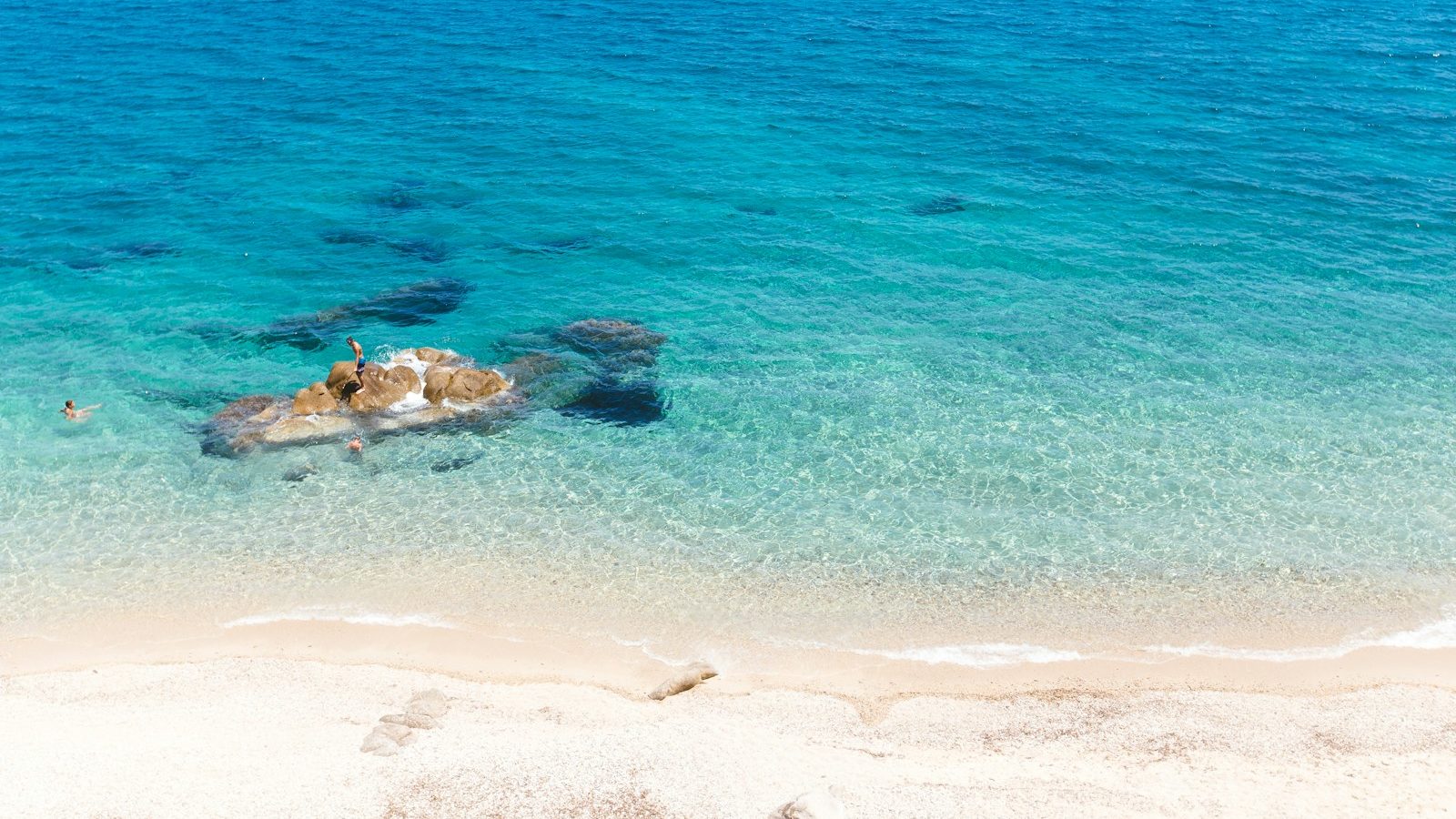
Kassandra և Sithonia‑ը հատկապես հայտնի են ամբողջ Հունաստանում իրենց բացարձակ թափանցիկ թուրքուզ ջրով և նուրբ ավազով։ Sithonia‑ն ավելի խարխափուն և կանաչ է, մոտակայքներով bays՝ որոնք մրցակցում են բազմաթիվ կղզիների հետ։ Ammouliani և Athos ափերի շուրջը ծովի գույնը և հանգիստ ծոցերը հստակ կղզիներին նման են։
Սեզոնային հիշեցումներ.
- Հունիս–հունիսի սկսած – Ջերմ է, բայց ոչ արտառոց, ծովը հաճելի է, ամբոխներ քիչ են, հատկապես շաբաթության մեջ։
- Հունիսի վերջ–Օգոստոս – ամենատաք, ամենաշատ այցելուներով; strändերը մոտ մեծ ռեզորտների լի կարող են չափազանց լինեն, բայց եթե մեքենա վարեք մի քիչ, գտնել հանգիստ լուծումներ կարելի է։
- Սեպտեմբեր – Ծովը ամենատաքն է, օդը նրբ է, շատերին գուշակում են, որ սա լավագույն ամիսն է։
Աղբյուրների սիրահարների համար՝ նավարկությունը Halkidiki‑ում մեծ առավելություն է։ Porto Carras Marina կամ Nea Skioni նման վայրերից կարող եք միանալ օրավարձ նավարկությունների, մայրամուտի ուղևորությունների կամ նույնիսկ բազմօրյա չարտերների։ Պլատֆորմներ նման yachts.holiday ցույց են տալիս այս տարածաշրջանում մատչելի երթուղիների և նավերի բազմազանությունը։
Ցանկանու՞մ եք ուսումնասիրել ափամերձ գոտին։ Հարցրեք մեզ մեկօրյա ծովային զբոսանքների և առագաստանավերի տարբերակների մասին։
Վերադարձ և ջուրային փորձեր
Sithonia և Athos ափի շուրջը ջրի տակ աշխարհը զարմացուցիչ է՝ ժայռային կազմավորումներով, լավ տեսանելիությամբ և բազմազան ջրային կյանքով։ Եթե հետաքրքրված եք scuba‑ով, տեղական կենտրոնները, օրինակ այնպիսի ինչերը, որոնք ներկայացված են portoscuba.com, կարող են տալ ընդհանուր պատկեր typical dive sites և պայմանների մասին Halkidiki‑ի և մոտակա կղզիների շուրջ։
[picketinhub_button_scuba]
Ինչպես են համեմատվում կղզիների strändերը
Օդանավակայան ունեցող կղզիներն էլ բնականաբար ունեն հրաշալի strändեր՝ ոմանք աշխարհահռչակ, ոմանք հանգիստ և տեղական։ Տարբերությունը հաճախ է թվում որպես stränd + ֆոն համադրություն՝
- Վուլկանիկ լանդշաֆտներ – Santorini‑ի նման կղզիներում՝ նժույգ ժայռեր և մուգ ավազ։
- Երկար բացափային ծովափեր – Մեծ կղզիներում՝ Rhodes կամ Kos, երկար ավազածածկ հատվածներ հյուրանոցներով և beach club‑երով։
- Փոքր պաշտպանված ծոցեր – Փոքր կղզիներում՝ Skiathos, շատ կանաչ ծոցեր փոքր տարածքում, ոչ տարբերվող parts of Sithonia։
Մնացած խոսքը՝ Halkidiki‑ն չի զիջում ծովին և ավազին։ Պարզապես դրանք ներկայացվում են մայրցամաքային‑թևային կարգով, ոչ ամբողջությամբ շրջապատված կղզու կերպով։
[random_authority_text]
Մշակույթ, օրավայրերը և «թե ինչ կարող ենք անել բացի strändից»
Մեկ այլ ուղի համեմատելու Halkidiki‑ն և օդանավակայա ունեցող կղզիները՝ նայել թե ինչ կարող եք անել մշուշ օրերին կամ երբ ցանկանում եք տարբերություն արել արևանիստից։
Լավ մրցակցությունները Halkidiki‑ից որպես բազա
Քանի որ դուք գտնվում եք մայրցամաքում, ունեք ավելի բազմազանություն մեջ օրավարաությունների հեռավորության շրջանակում՝
- Thessaloniki քաղաքը – Թանգարաններ, բյուզանտական եկեղեցիներ, Galerius‑ի դուռը, ծովագիծը և Aristotelous Square‑ի էներգիան։ Դա իսկական քաղաքային օր է, որի մշակույթն ու սնունդը շատ հաճախ հավասարակշռում են strändերին։
- Mount Athos նավով – Ouranoupoli‑ից կարող եք վերցնել շրջագայություններ Athos ծովափով՝ մենաստանները ծովից տեսնելու համար (իրական մոնաստերական պետությունը ունի խիստ կանոններ՝ մուտքը թույլատրվում է միայն տղամարդկանց)։
- Պատմություն և հնագիտություն – Վերցրեք Olynthus‑ի նման վայրեր՝ հանգիստ և մտածող փորձի համար, և դուք մոտ եք Հյուսիսային Մակեդոնիայի ավելի լայն պատմական վայրերին, եթե պատրաստ եք ավելի հեռու վարել։
Официальные ռեսուրսներ, ինչպիսիք են Greek National Tourism Organisation և Municipality of Thessaloniki, օգտակար են՝ հաճախեցվող իրադարձությունների և մշակութային վայրերի վերաբերյալ տեղեկություններ ստանալու համար։
Մշակութային ընտրանքները օդանավակայան ունեցող կղզիներում
Ծանր մեծ կղզիներն էլ ունեն իրենց հնագիտական, ամրոցներ, մենաստաններ և ավանդական գյուղեր։ Տարբերությունը հաճախ՝ մասշտաբի և բազմազանության մեջ է՝
- Կոմպակտ բայց հարուստ – Միջին չափի կղզում կարող եք տեսնել մեծ մասը մշակութային խոշոր հանգույցների մի քանի օրվա ընթացքում։
- Ատերգած, ինքնուրույն – Լինելու պահին դուք հազիվ թե դուրս գնաք կղզուց, եթե չմիանաք նավարկություն։
- Սեզոնայնորեն այլն – Ձմեռային կամ շոլդեր ամիսներին որոշ թանգարաններ կամ փոքր գրավչություններ կարող են կրճատել ժամերը կամ փակվել։
Եթե սիրում եք խառնել քաղաքային ընդմիջումը և ծովափային արձակուրդը մեկ ուղևորության մեջ, Halkidiki՝ Thessaloniki‑ի միջոցով շատ դժվար է հաղթել։
Ով պետք է ընտրի Halkidiki‑ն, և ով ավելի հավանական է preferrer կղզի ունի օդանավակայան
Տարիների ընթացքում հյուրերի հետ զրուցելուց հետո մենք նկատել ենք պարզ օրինաչափություններ՝ թե ով սիրահարվում է Halkidiki‑ին և ով՝ օդանավակայանով կղզիներին։
Halkidiki‑ն սովորաբար հարմար է ձեզ, եթե՝
- Սիրում եք ավտոմեքենայով բացահայտել – Վարել strändից stränd, փնտրել սեփական սիրելի տավեռանան և դիտակետերը։
- Ցանկանում եք ճկունություն – Նորատեսակ տևողություններ, Thessaloniki‑ը համադրել ծովի հետ կամ ճանապարհորդել մայիս/սեպտեմբեր ամիսներին։
- Հաճվում եք մեղմ, ավելի տեղական դրդում – Հունական ընտանիքներ շուրջը, ամբողջ տարվա գյուղեր, զգացում, որ դուք գտնվում եք իսկական տարածաշրջանում՝ ոչ միայն ռեզորտային բուլբում։
- Սիրում եք նավարկություն կամ սկուբա – Լավ նավահանգիստներ և dive կայքեր թևերի երկայնքով։
- Ցանկանում եք բազմազան խմբերի ընտրանքներ – Ընտանիքներ, զույգեր, կամ բազմերորդ սերնդով ուղևորություններ՝ տարբեր հետաքրքրություններով։
Կղզիով‑օդանավակայանով հնարավոր է ձեզ ավելի հարմար լինի, եթե՝
- Ցանկանում եք ամենակարճ անհատական ճանապարհը – Մեկ թռիչք, արագ տրանսֆեր և դուք արդեն հյուրանոցում եք։
- Եկեք փաթեթները – Թռիչք+հյուրանոց+տրանսֆեր՝ բոլորը տուրօպերատորի կողմից կազմակերպված։
- Չեն պլանավորել շատ բացահայտումներ – Հավատար եք մեկ ռեզորտով, մեկ strändով և, հնարավոր է, մի քանի կազմակերպված էքսկուրսիաներով։
- Վախենում եք օտար վարել – Եվ նախընտրում եք կախված մնալ ռեզորտային ավտոբուսներից և տաքսիներից։
- Սիրում եք ուժեղ «կղզի‑դինամիկա» – Չափարյալ փողոցներ բարերով, մեծ գիշերային կյանք և հստակ բաժանում առօրյա կյանքից հետ։
Պրակտիկ պլանավորման խորհուրդներ՝ ինչպես որոշել ձեր հաջորդ ուղևորության համար
Որպեսզի ընտրությունը կոնկրետ լինի, օգտակար է մտածել մի քանի պրակտիկ հարցերի ձեր հատուկ ուղևորության մասին, ոչ թե ընդհանուրության։
1. Քանի օր ունեք?
- 4–5 օր – Halkidiki‑ն շատ լավ է, եթե գտնում եք հարմար թռիչքներ Thessaloniki‑ին; արագ հաստատվում եք մեկ թևում և դեռ կարող եք բացահայտել։
- 7–10 օր – Ուղղակը կարող է լինել և մեկուկես, բայց Halkidiki թույլ է տալիս բաժանել ժամանակը՝ օրինակ Kassandra և Sithonia կամ ավելացնել գիշերներ Thessaloniki‑ում։
- 14+ օր – Այդքան ժամանակի դեպքում Halkidiki տալիս է տեղ խորքաշման համար՝ բազմաթիվ բազաներ, օրավանդակներ ներքինում, նույնիսկ համադրել Հյուսիսային Հունաստանի մյուս հատվածների հետ։
2. Ի՞նչ տեսակի օրեր եք պատկերացնում?
- «Երեք օր՝ նույն արևանիստ, նույն բար, կրկնեք» – Միանկացած կղզու ռեզորտը կարող է ավելի հարմար լինել։
- «Արդեն մի տարբեր stränd և գյուղ օր առ օր» – Halkidiki‑ի թևերը իդեալական են այս ոճի համար։
- «Մի քիչ մշակութ, մի քիչ քաղաք, մի քիչ ծով» – Thessaloniki‑ն և Halkidiki‑ն համակցելը հավասարակշռված ընտրություն է։
3. Ձեզ հետ ով է ճանապարհորդում?
- Տան ընտանիքներ փոքր երեխաներով – Երկուսն էլ կարող են աշխատել; Halkidiki հաճախ հաղթահարում է մեղմ մ կողմն հարավային ծովափերում՝ հատկապես Sithonia և Kassandra‑ի արևելյան ափերում։
- Զույգեր – Եթե սիրող եք հանգիստ անկյուններ և ռոմանտիկ վարորդություններ՝ Halkidiki; եթե ցանկանում եք մեծ գիշերային կյանք՝ որոշ կղզիներ։
- Ընկերների խմբեր – ՈՒղղակի որոշեք՝ nightlife եք ուզում (որոշ կղզիներ) կամ բազմակողմանի ակտիվություն և բացահայտում (Halkidiki)։
4. Ինչքան կարևոր է հենց թռիչքը?
Եթե որևէ մեկը ձեր խմբում անհանգստանում է թռչելու կամ փոխկապակցման մասին, ուղիղ կղզային թռիչքը կարող է ապահով տեսք ունենալ՝ անգամ եթե ընդհանուր door‑to‑door ժամանակը նման է։ Բայց եթե դուք հարմար եք մի քանի հատվածներով թռչել, SKG‑ի լրացուցիչ ընտրանքները հաճախ դարձնում են ամբողջ ուղևորությունը ավելի ճկուն և անհոգ։
Չգիտե՞ք՝ որտեղից սկսել։ Կապ հաստատեք մեր տեղական տուրիստական գործակալի հետ՝ բարեկամական, անհատական խորհրդի, սեզոնային առաջարկների և ճանապարհորդական տարբերակների համար։Եղանակ, սեզոններ և ամբոխներ՝ ինչեր պետք է ստուգել
Եղանակը ընդհանրապես նման է Halkidiki‑ի և բազմաթիվ Էգեյան կղզիների միջև՝ տաք, չոր ամառներ և մեղմ շոլդեր սեզոններ։ Պրոֆիլ համար օգտակար են պաշտոնական եղանակի ռեսուրսներ՝ National Observatory of Athens (meteo.gr), որոնք օգնում են ամսեկան միջին ցուցանիշները և ջրի ջերմաստիճանները ստուգել։
Halkidiki‑ն երբեմն կարող է զգալ մի փոքր կանաչ և թեթև ավելի խոնավ, քան որոշ ավելի չոր կղզիներ՝ իր սոճիներով և մայրցամաքային դիրքով։ Քամիները սովորաբար մեղմ են՝ լավ նորություն ընտանիքների և նրանց համար, ովքեր չեն սիրում ուժեղ meltemi‑ն։
Այսպիսով, ո՞րն է ավելի հեշտ և ո՞րն է ավելի հաճելի — Halkidiki‑ն թե օդանավակայանով կղզին?
«Օդակայանից մինչև հյուրանոց» առումով շատ կղզիներ, որոնք ունեն runway, հաղթում են. դուք վայրէջք եք կատարում, նստում տրանսֆերը և արագ կհասնեք փղաս։ Բայց թռիչքների ճկունության, բազմազան փորձերի և այն զգացողության առումով, որ դուք կունենաք այնտեղ հասնելուն պես, Halkidiki‑ն՝ Thessaloniki‑ի միջոցով, հաճախ պարզվում է ավելի հեշտ ընդհանուր առմամբ — հատկապես ճանապարհորդների համար, ովքեր արժեքավորում են ազատությունը ավելի քան 固定 փաթեթները։
Եթե ուզում եք ավելի խոր զննություն՝ թե ինչպես Halkidiki‑ն համեմատվում է կղզիների հետ strändային արձակուրդի համար, կարող եք կարդալ մեր հոդվածը How Halkidiki Compares with the Greek Islands for a Beach Holiday, որը ավելի մանրամասն նայում է տեսարաններ և կենսակերպ։ Հիմա պարզ հեշտ ուղին որոշելու՝ եթե ուզում եք պատրաստ փաթեթային ռեզորտային բուլբ, ընտրեք կղզիին՝ ուղիղ թռիչքով։ Եթե ցանկանում եք հնարավորություն ձևավորել ձեր ճանապարհը՝ խառնելով թևերը, քաղաքը, մշակույթն ու ծովը, Halkidiki‑ն շատ հավանական է ավելի հաճելի թվա, և այն այնքան էլ բարդ չէ, որքան թվում է քարտեզին։
Ցանկանու՞մ եք ամբողջական պատկեր։ Կարդացեք մեր մանրամասն ուղեցույցը Հալկիդիկի մասին՝ նախքան ամրագրելը։